Squat Toilets and Shared Bathrooms: What Homestays Are Really Like
The toilet is the part of a Sapa homestay nobody photographs. Here is what the bathroom is actually like, and the three small things to pack so it never ruins your night.
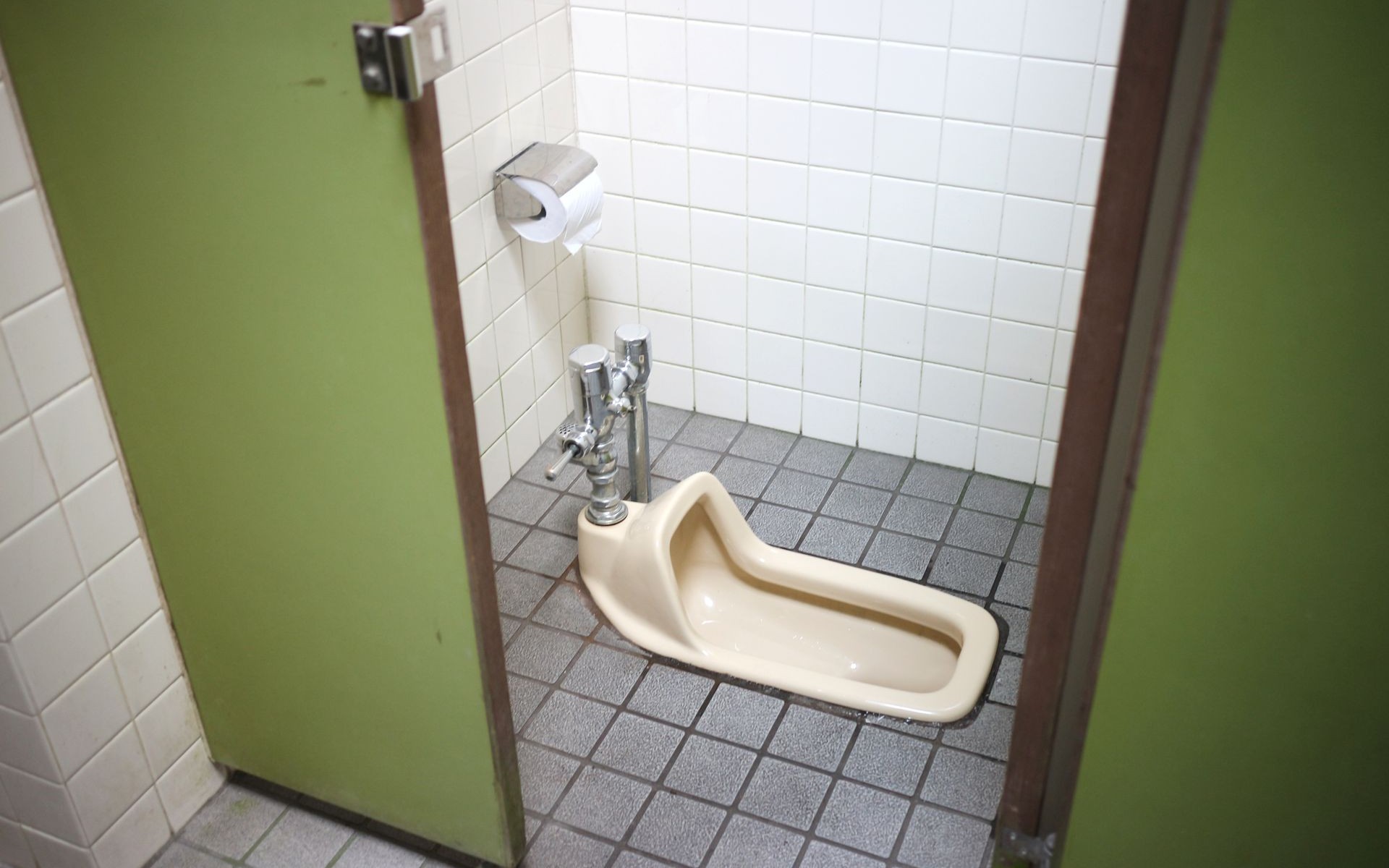
Source: wutthichai charoenburi via Pexels (https://www.pexels.com/photo/photo-of-a-squat-toilet-19882102/). A squat toilet in a tiled restroom, no location claimed.
The toilet is the part of a Sapa homestay nobody puts in the photos. You have seen the terraces, the wooden house, the family dinner. Nobody shows you the bathroom, and that is exactly why it worries first-time trekkers more than the climb. Here is what it is actually like.
The squat toilet, explained in one minute
Many village homestays have a squat toilet: a porcelain pan set into the floor, with foot pads on either side. You squat, you finish, you rinse with the water scoop or the hose beside it. It feels strange the first time and normal by the second. Bring your own toilet paper, because most homestays do not supply it, and carry a small pack in your daypack on the trail too, not just in your overnight bag.
If squatting is hard on your knees, tell your guide before the trek. Some homestays in the valley have a western-style seated toilet as well, and your guide can steer the night toward one of them. Do not assume either way. Ask, and you will know before you arrive.
The shared bathroom
The bathroom is usually shared. One or two bathrooms serve the whole house, guests and family alike, and you will queue in the morning. Get up a little early, or wash the night before, and the queue disappears. The shower is often a simple setup: a showerhead over a tiled floor, sometimes in the same room as the toilet. Hot water usually comes from a solar heater or an electric unit, and on a cloudy winter day it can run lukewarm or cold. Wash in the evening while the water is still warm from the day, and keep it short.
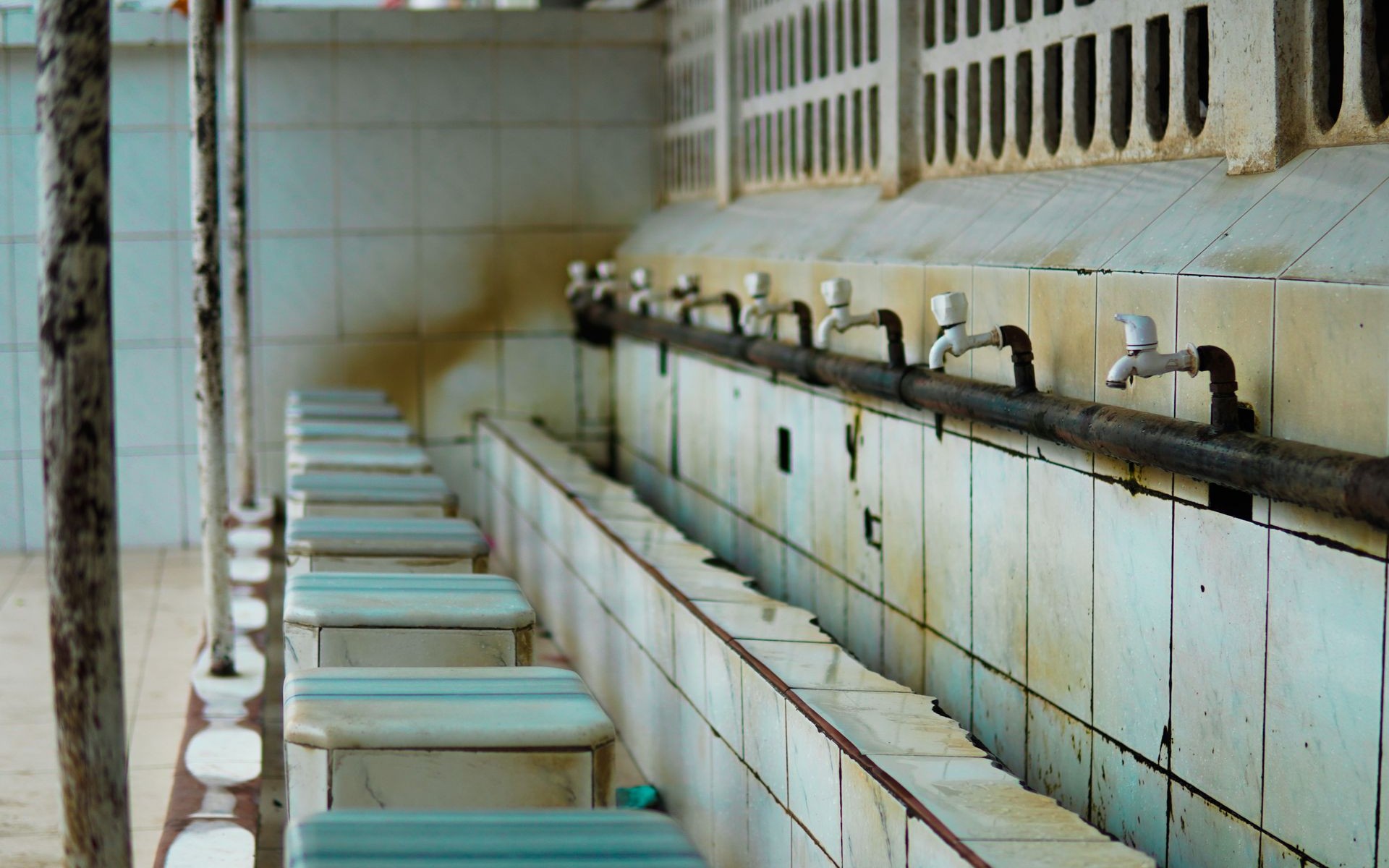
Source: Jakaria Hussain Adnan via Pexels. A shared tiled wash area with a row of faucets, no location claimed.
What to pack for the bathroom
Three small things change the whole experience. A roll of toilet paper, or a few pocket packs. A small bottle of hand sanitiser, because the sink may be a tap outside and soap is not guaranteed. And a headlamp, because the path to the bathroom at night is dark and you will not want to wake the house fumbling for a light switch. A pair of flip-flops for the wet bathroom floor is worth the weight too.
Night trips and basic manners
You will need the toilet at night at least once. Keep your headlamp and your toilet paper by your sleeping mat, not buried in your bag. Walk quietly, the family sleeps in the same house, and leave the bathroom as you found it. If there is a bucket for used paper, use it. Village plumbing cannot take paper the way city plumbing can, and a blocked toilet is a problem for the whole house.
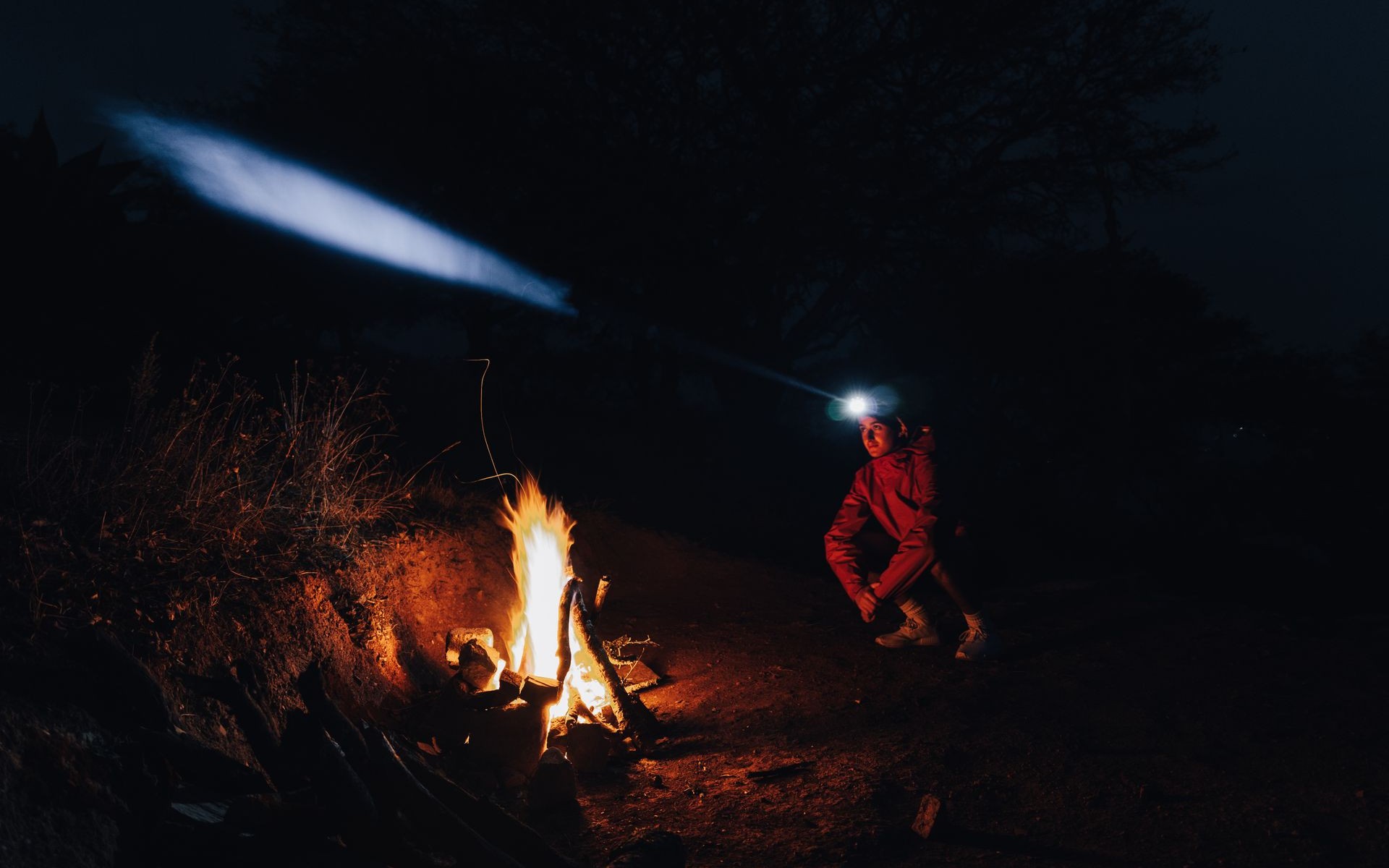
Source: Alessandro Avilés via Pexels. A headlamp by a campfire at night, no location claimed.
The honest verdict
The bathroom is basic, shared, and sometimes cold. It is also clean enough, private enough, and over in two minutes. Trekkers who worry about it beforehand almost always say the same thing afterwards: it was fine, and the night in the village was worth far more than the bathroom cost them. Pack the three small things, ask your guide about the toilet before you book, and stop worrying about the part of the trip nobody photographs.
Next step
Sleep in a real village house on the two day trek, with a local guide who can tell you before you book what the bathroom at your homestay is like: Two days walking, one night in Ta Van. Or compare the routes first: Sapa Trekking Guide: Routes, Seasons and a Homestay Finish.
Walk it with us
Every route in these guides ends at Cloud Valley. Sleep where the trail ends, not back in town.
Sapa Trekking Guide · 1 Day Valley Trek · 2 Day Homestay Trek
More guides

Booking a Trek Online vs in Town: What Changes
You can book your Sapa trek from home weeks ahead, or walk into an office in Sapa town the day before. Both work. Here is what actually changes with each choice.

Your Luggage While You Trek: Storage Options That Actually Work
You cannot drag a rolling suitcase down muddy terrace steps. Here is where your big bag actually goes while you walk, and what to carry instead.

ATMs Before the Trek: Where to Get Cash in Sapa Town
You arrive in Sapa town the evening before your trek, and the villages below take cash only. The ATMs are all in town, so the evening before you walk is the time to sort your money, not the morning you leave.