Your Luggage While You Trek: Storage Options That Actually Work
You cannot drag a rolling suitcase down muddy terrace steps. Here is where your big bag actually goes while you walk, and what to carry instead.

You arrive in Sapa with a rolling suitcase, a backpack, and a trek that starts tomorrow morning. The trail down to Ta Van is stone steps, wet clay, and narrow paths between terraces. Nobody carries a suitcase down it. So the real question is not what to pack. It is where the big bag goes while you walk.
The short answer: leave it in Sapa town and walk with a daypack. Almost every trekker does this. Here are the options, in the order you should try them.
Your hotel in town
Your hotel in Sapa town is the first place to ask. If you slept there the night before the trek, or you are returning there after it, the hotel will almost always hold your bag for free. Ask at reception when you check in, not at the last minute on the morning of the trek. Hand it over, take a photo, and note who took it. If the hotel gives you a tag or a receipt, keep it in your daypack, not in the bag itself. Confirm the pickup time, because a bag behind a desk is easy to forget when your bus leaves in an hour.
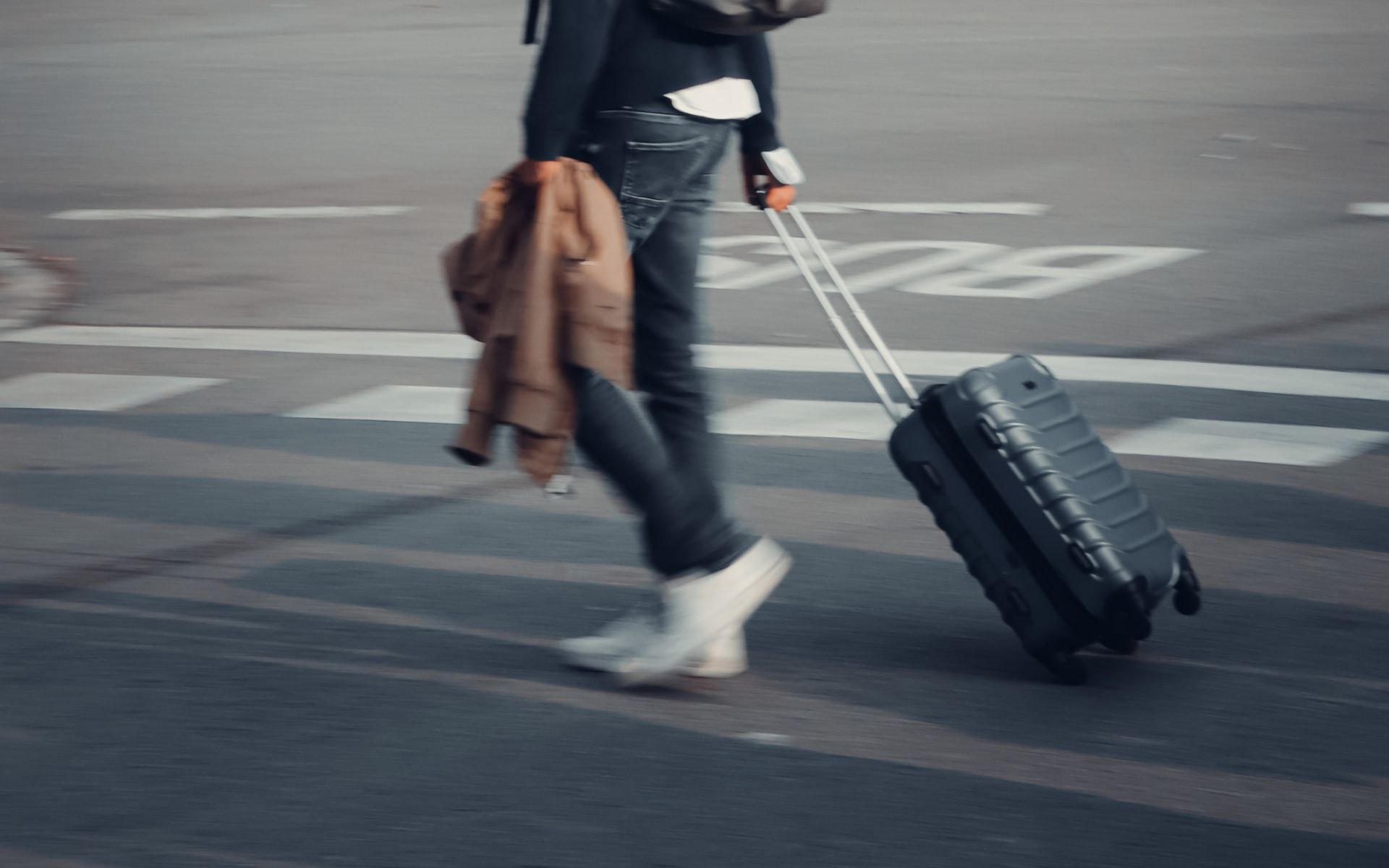
Source: El gringo photo via Pexels. A traveler with a backpack and a rolling suitcase in the city, the same split you want in Sapa: big bag left in town, daypack on your back.
Your trek operator
Your trek operator is the second option, and on some treks it is the best one. On our two day trek, your big bag rides down to Cloud Valley by car and is already in your room when you arrive in Ta Van. You walk both days with a daypack and the bag travels with you in the car back to Sapa at the end. If you booked a trek with another operator, ask the same question before the morning of the walk: does the bag go by car, or does it stay in town? Get the answer in writing on WhatsApp so there is no confusion at the trailhead.
Arriving by night bus
If you arrive by night bus with no hotel booked, you have the thinnest option. Some bus offices will hold a bag for the day if you ask politely, but do not count on it, and do not leave valuables in a bag you cannot lock. The safer move is to book one night in Sapa town before the trek, even a cheap room: a bed, a shower, and a safe place for the bag. It also buys you a proper start: a night bus followed by a straight walk into the valley is how treks go wrong.
What goes in the daypack
Whatever you choose, the split is the same. The daypack carries your passport, cash, phone and charger, medication, rain jacket, water, and anything you would be upset to lose. The big bag holds the rest: spare clothes, toiletries, the laptop, the shoes you will not wear on the trail. Never put your passport or your only bank card in the bag you leave behind. If the bag is delayed or misplaced, you can still walk, eat, and get home.

Source: Vlada Karpovich via Pexels. Packing the split before you leave: valuables in the daypack, the rest in the big bag.
One last check
One last check before you walk away from it. Lock the bag if it has a lock. Photograph the outside and a quick shot of what is inside. Note where it is, who has it, and when you will collect it. It takes thirty seconds, and it is the difference between a calm pickup and an afternoon spent describing a black suitcase to strangers.
Sort the bag before you sort the trail. The walk is easy once your hands are free and your shoulders carry only what you need for the day.
Walk the two day trek with your bag travelling by car: Two days walking, one night in Ta Van. Or read the full route comparison first: Sapa Trekking Guide: Routes, Seasons and a Homestay Finish.
Walk it with us
Every route in these guides ends at Cloud Valley. Sleep where the trail ends, not back in town.
Sapa Trekking Guide · 1 Day Valley Trek · 2 Day Homestay Trek
More guides
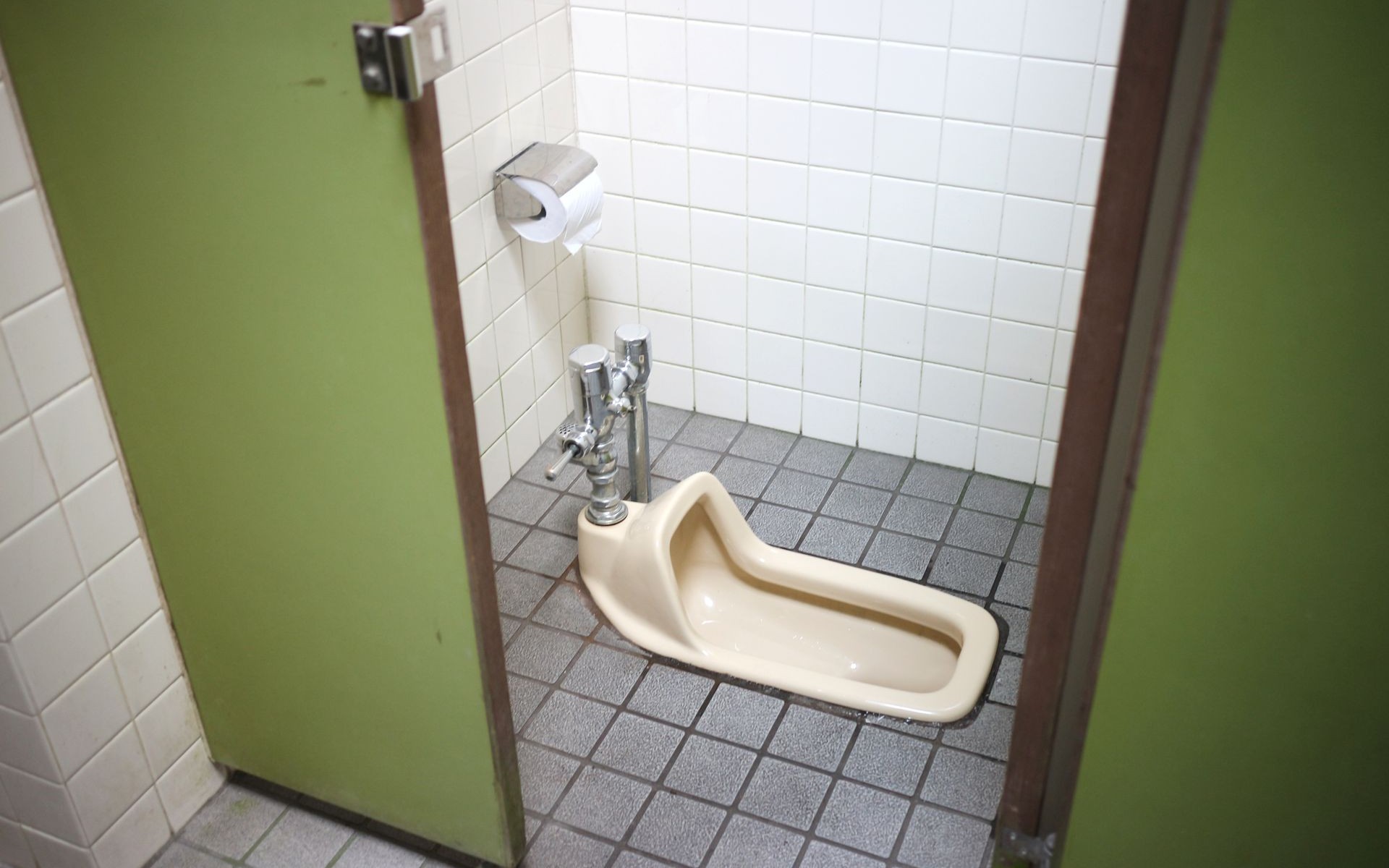
Squat Toilets and Shared Bathrooms: What Homestays Are Really Like
The toilet is the part of a Sapa homestay nobody photographs. Here is what the bathroom is actually like, and the three small things to pack so it never ruins your night.

Booking a Trek Online vs in Town: What Changes
You can book your Sapa trek from home weeks ahead, or walk into an office in Sapa town the day before. Both work. Here is what actually changes with each choice.

ATMs Before the Trek: Where to Get Cash in Sapa Town
You arrive in Sapa town the evening before your trek, and the villages below take cash only. The ATMs are all in town, so the evening before you walk is the time to sort your money, not the morning you leave.