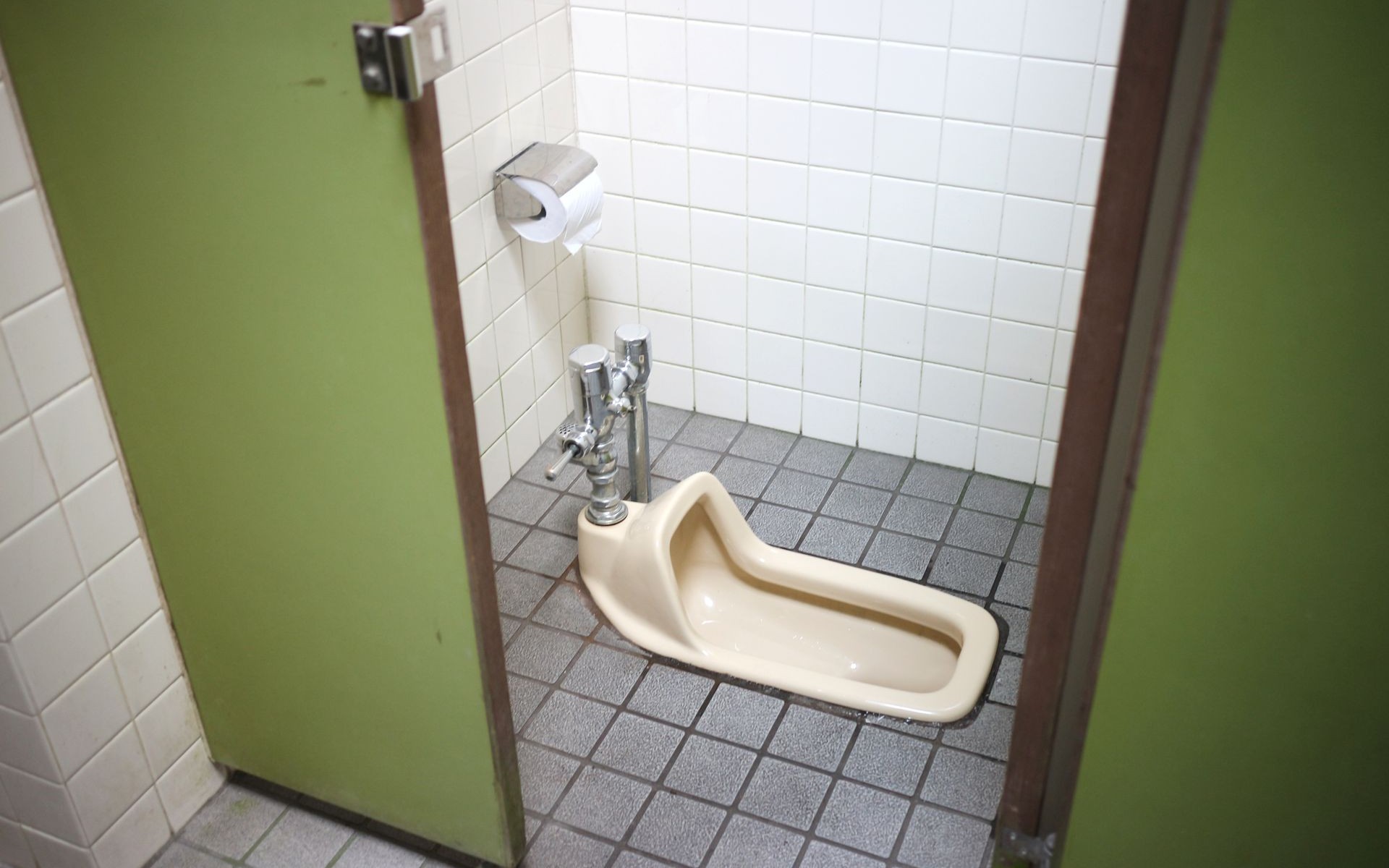
Squat Toilets and Shared Bathrooms: What Homestays Are Really Like
The toilet is the part of a Sapa homestay nobody photographs. Here is what the bathroom is actually like, and the three small things to pack so it never ruins your night.
Guides from Ta Van: routes, seasons and honest trekking advice, written by the people who live where the trail ends.
The toilet is the part of a Sapa homestay nobody photographs. Here is what the bathroom is actually like, and the three small things to pack so it never ruins your night.

You can book your Sapa trek from home weeks ahead, or walk into an office in Sapa town the day before. Both work. Here is what actually changes with each choice.

You cannot drag a rolling suitcase down muddy terrace steps. Here is where your big bag actually goes while you walk, and what to carry instead.

You arrive in Sapa town the evening before your trek, and the villages below take cash only. The ATMs are all in town, so the evening before you walk is the time to sort your money, not the morning you leave.

You reach Ta Van with a wallet full of cards and no cash. The homestay has no card terminal, the fruit stall takes dong notes, and your guide is waiting for a tip. In the villages below Sapa town, money works differently, and the time to learn that is before you leave town.

Your guide has walked you through mud, rain, and terrace steps for two days, and now you are standing at the homestay door wondering what to hand over. Here is what is normal in Sapa, and how to do it without awkwardness.
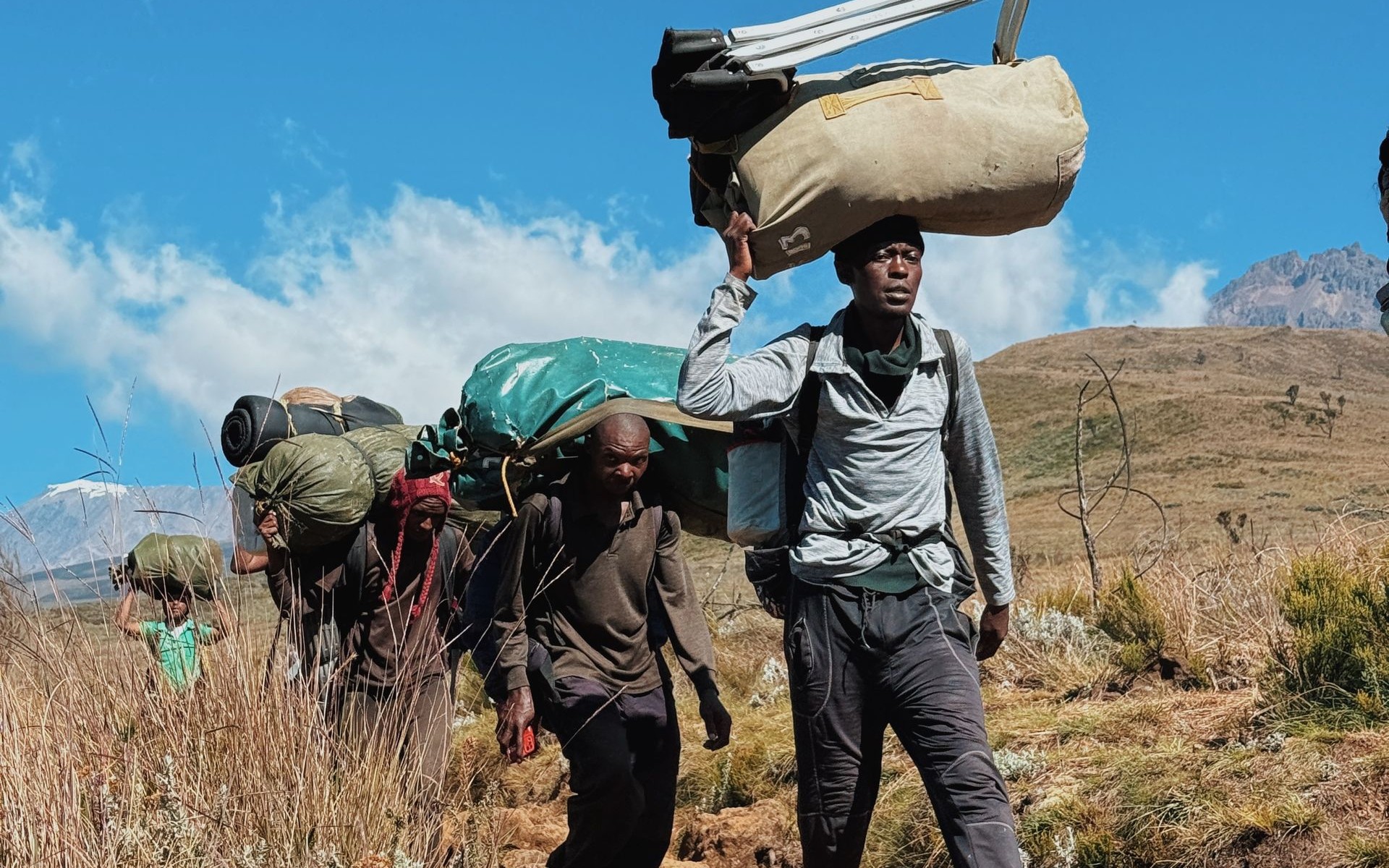
Your pack is heavy, your knees are complaining, and someone offers to carry your bag to the next village. Agree the price, the load, and the meeting point before you hand it over.
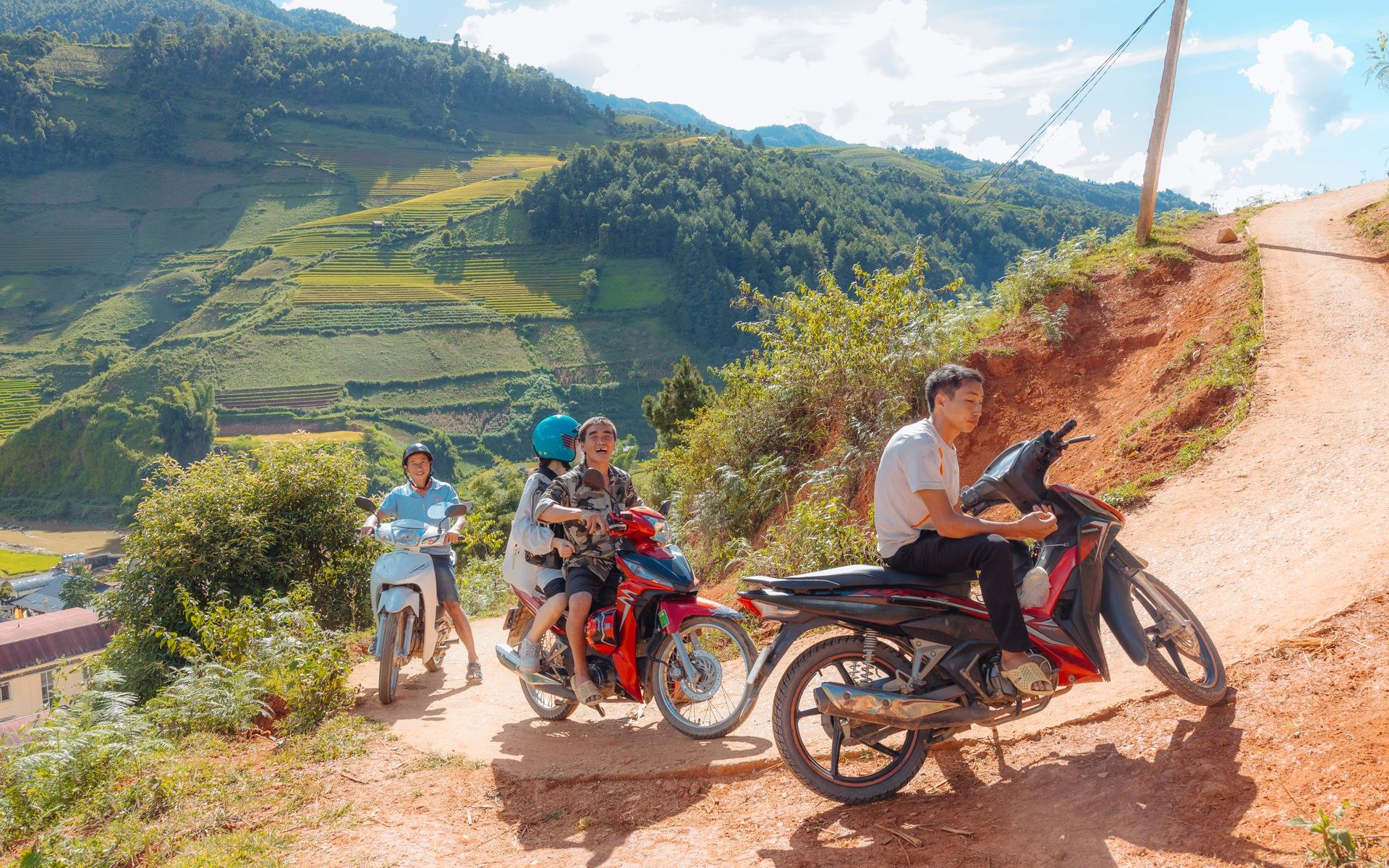
A motorbike taxi at the trailhead can save you a long walk back to town, or it can turn into an argument about the fare. Agree the price before you get on, and the ride is simple.
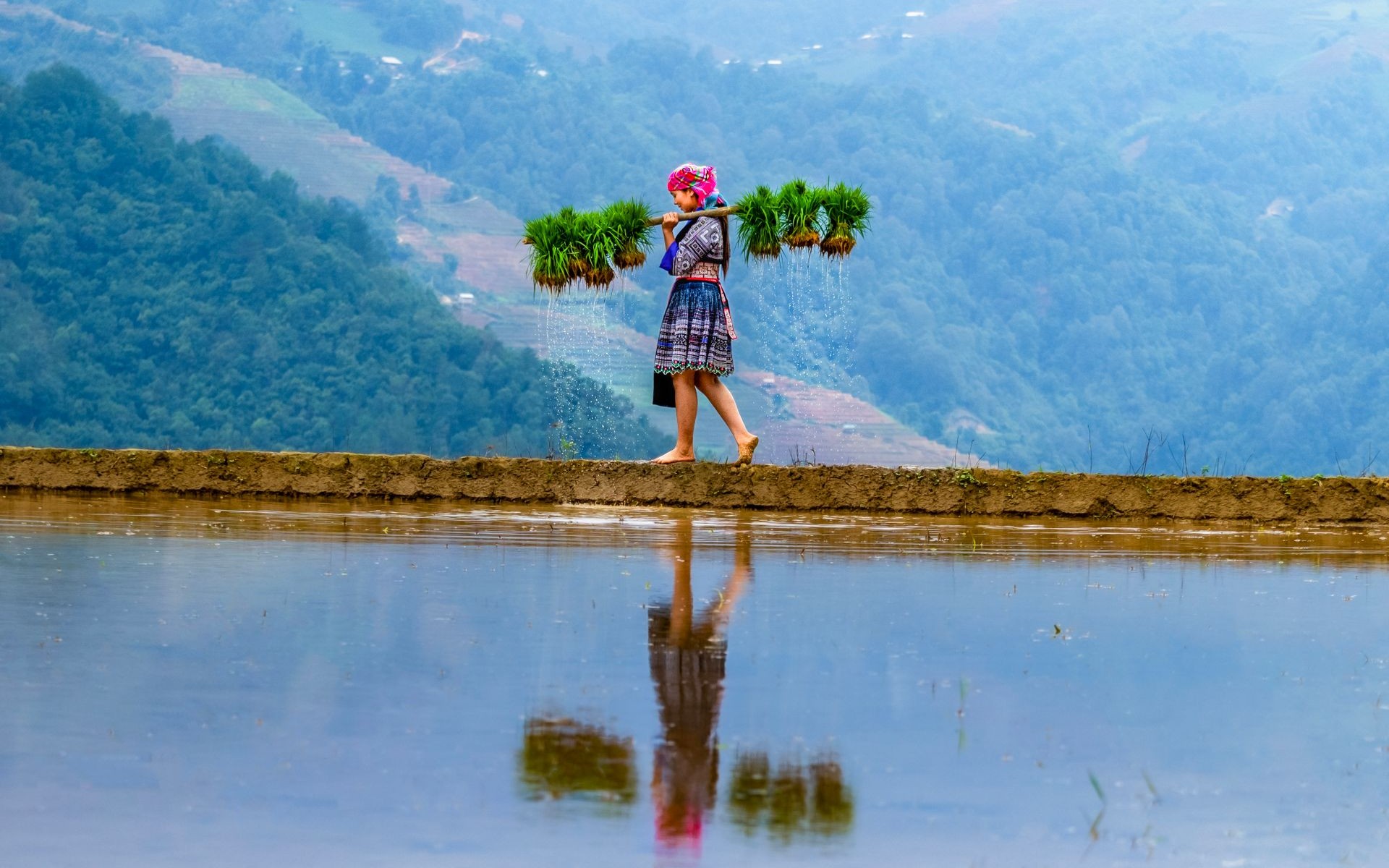
Someone stops you on a Sapa trail and asks for an entrance fee. Sometimes that fee is real. Sometimes it is not. Here is how to tell the difference before you hand over any cash.
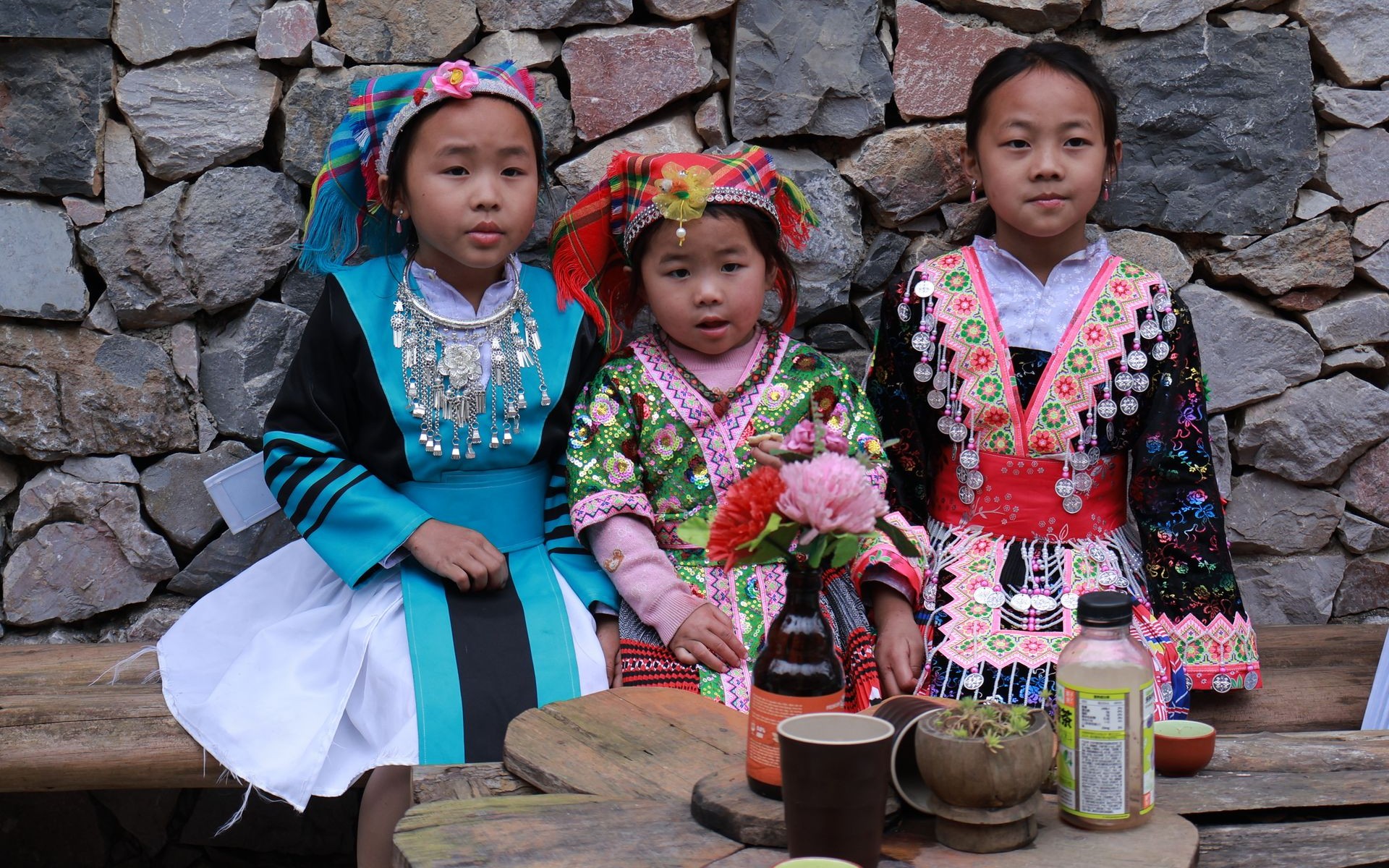
On the paths between Sapa villages, children will offer you handmade bracelets. It can feel awkward, and the kindest response is not always the obvious one. Here is what is really happening, and how to handle it well.
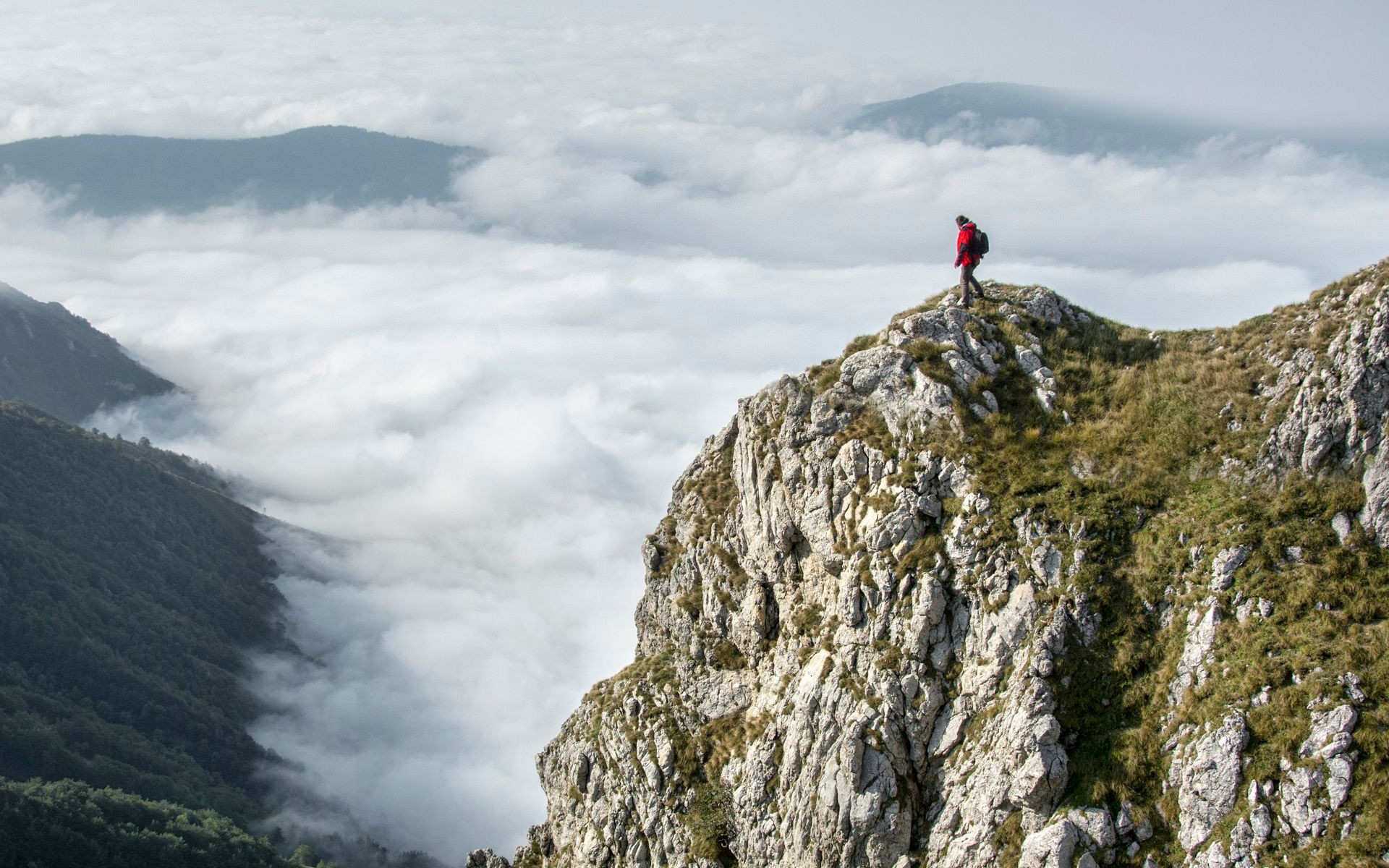
Sapa town sits around 1,500 metres, the valley lower, Fansipan above 3,000. Most trekkers feel the climbs in their legs and lungs, not true altitude sickness. Here is what to actually expect, and what helps.

The climb up is hard work. The walk down is what hurts. Here is how to descend Sapa terrace steps without wrecking your knees, and when the pain means stop.
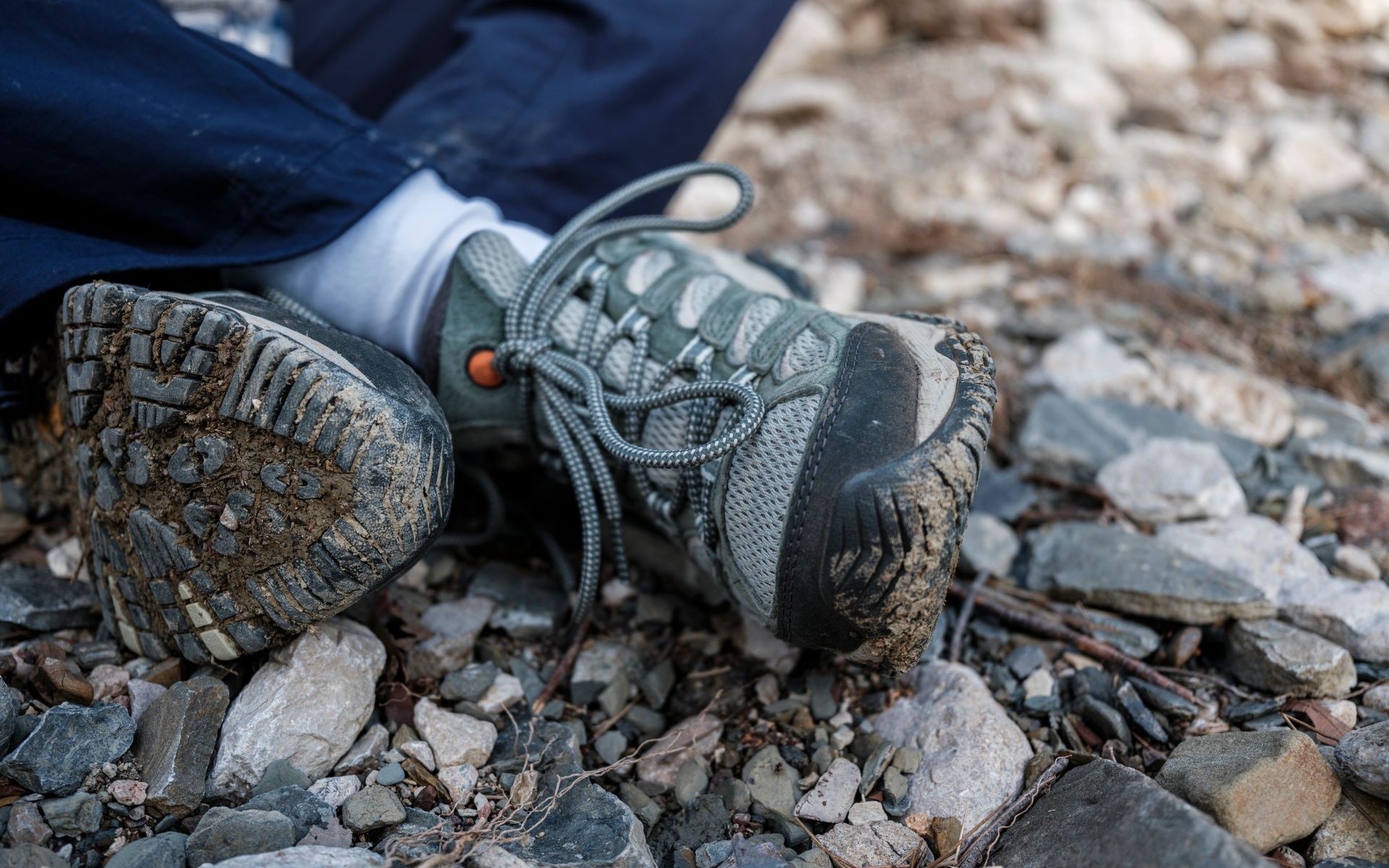
Day one felt fine. On day two, a hot spot on your heel turns every step into a negotiation. Here is how to catch it early, treat it on the trail, and keep walking to Ta Van.
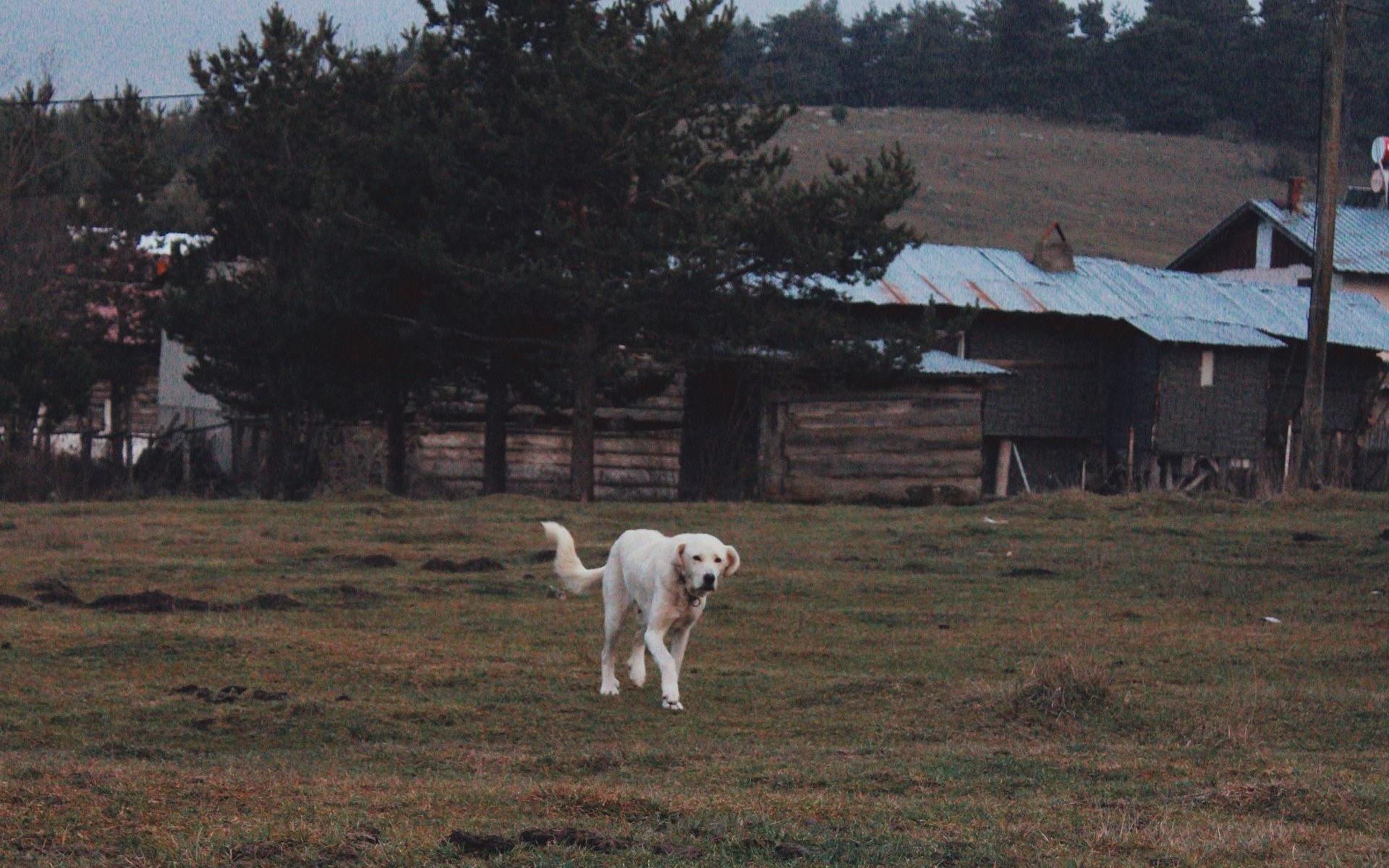
A dog is barking at you from a doorway on a Sapa village path. Most village dogs are guarding a home, not hunting you. Here is how to read them and walk past calmly.
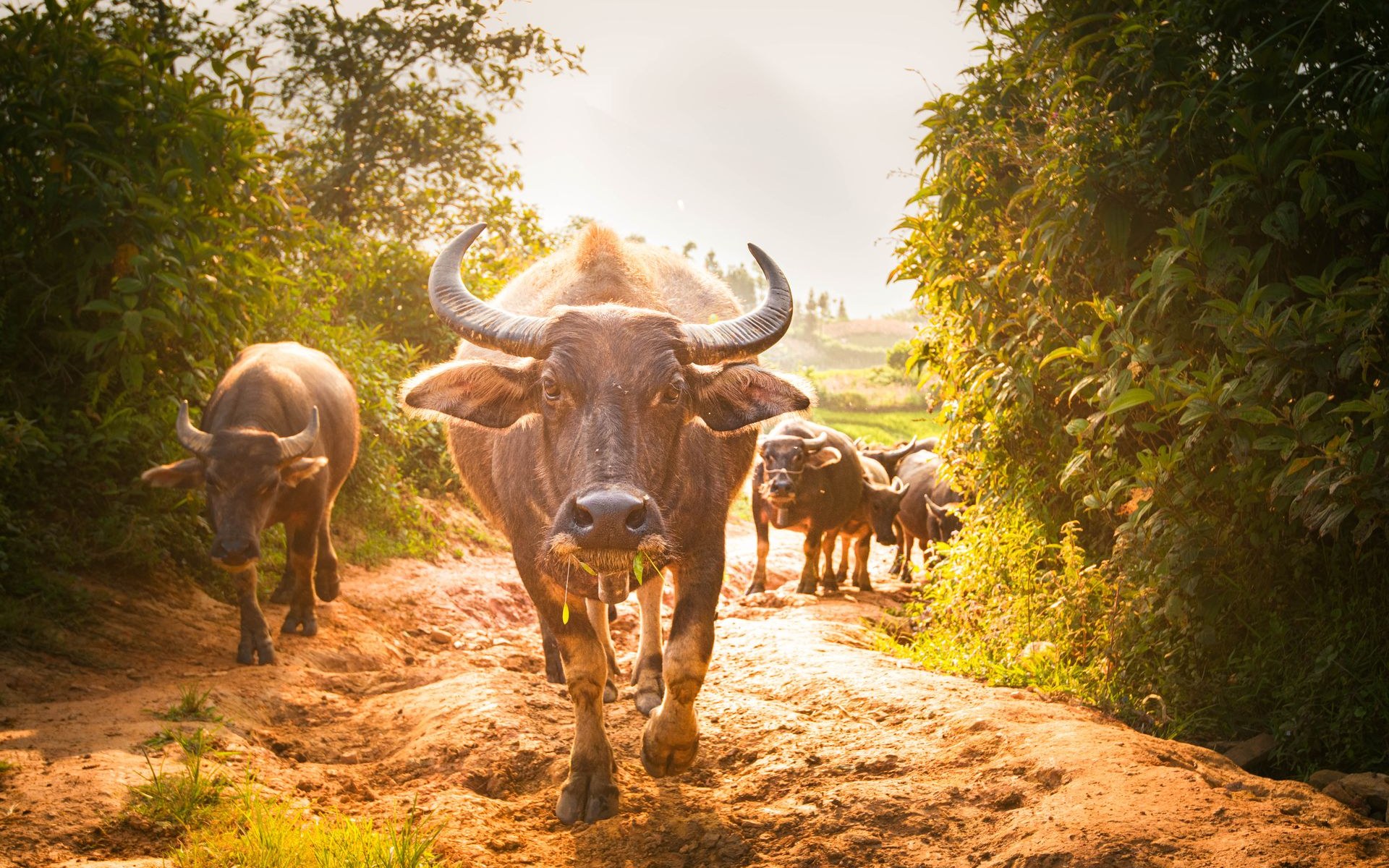
A water buffalo is standing in the middle of the path and it is not moving. Here is how to pass it calmly, and when to wait instead.
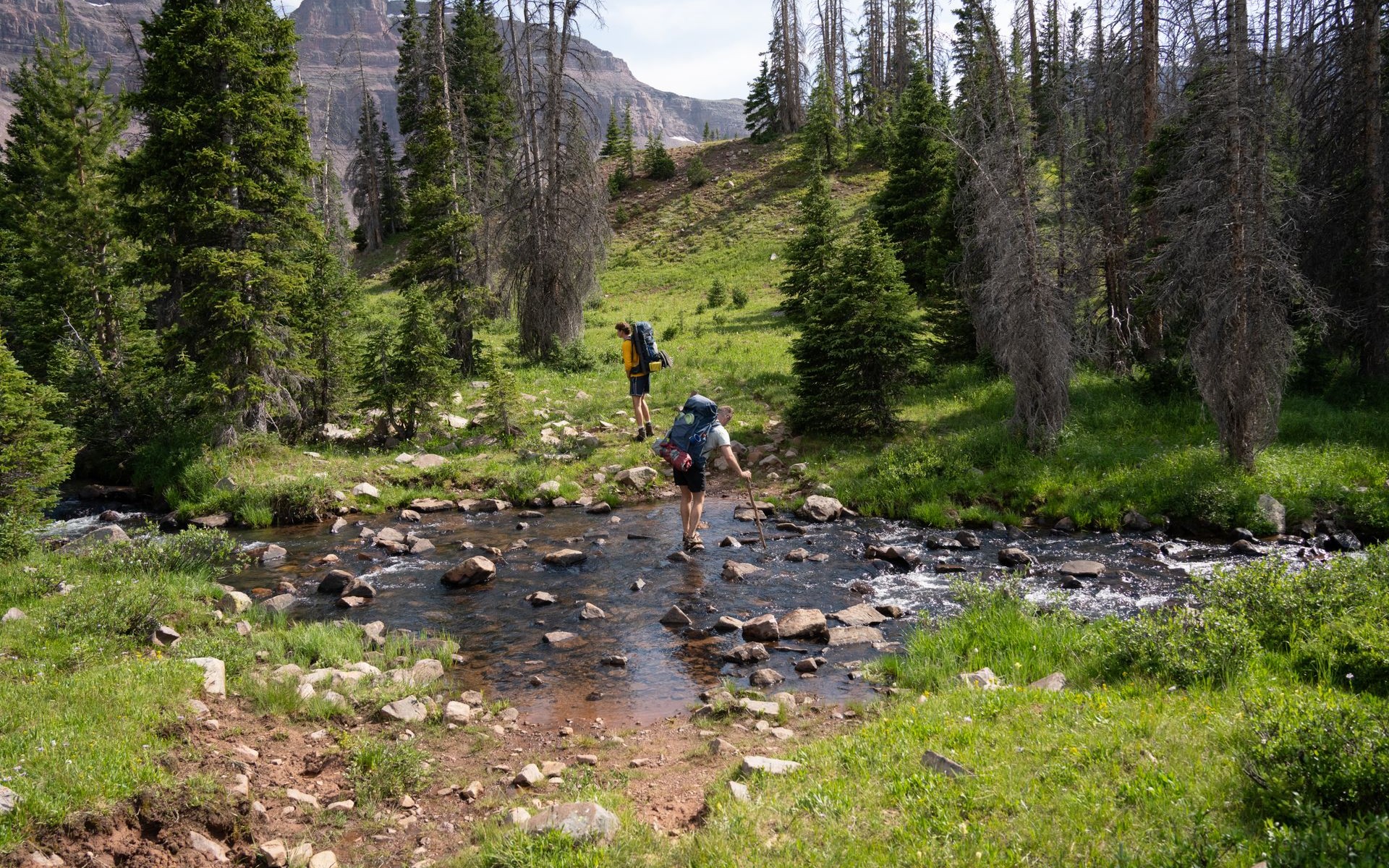
Sapa valley paths cross streams with no bridge in sight. Here is how to judge the water, cross on foot, and know when to turn back.
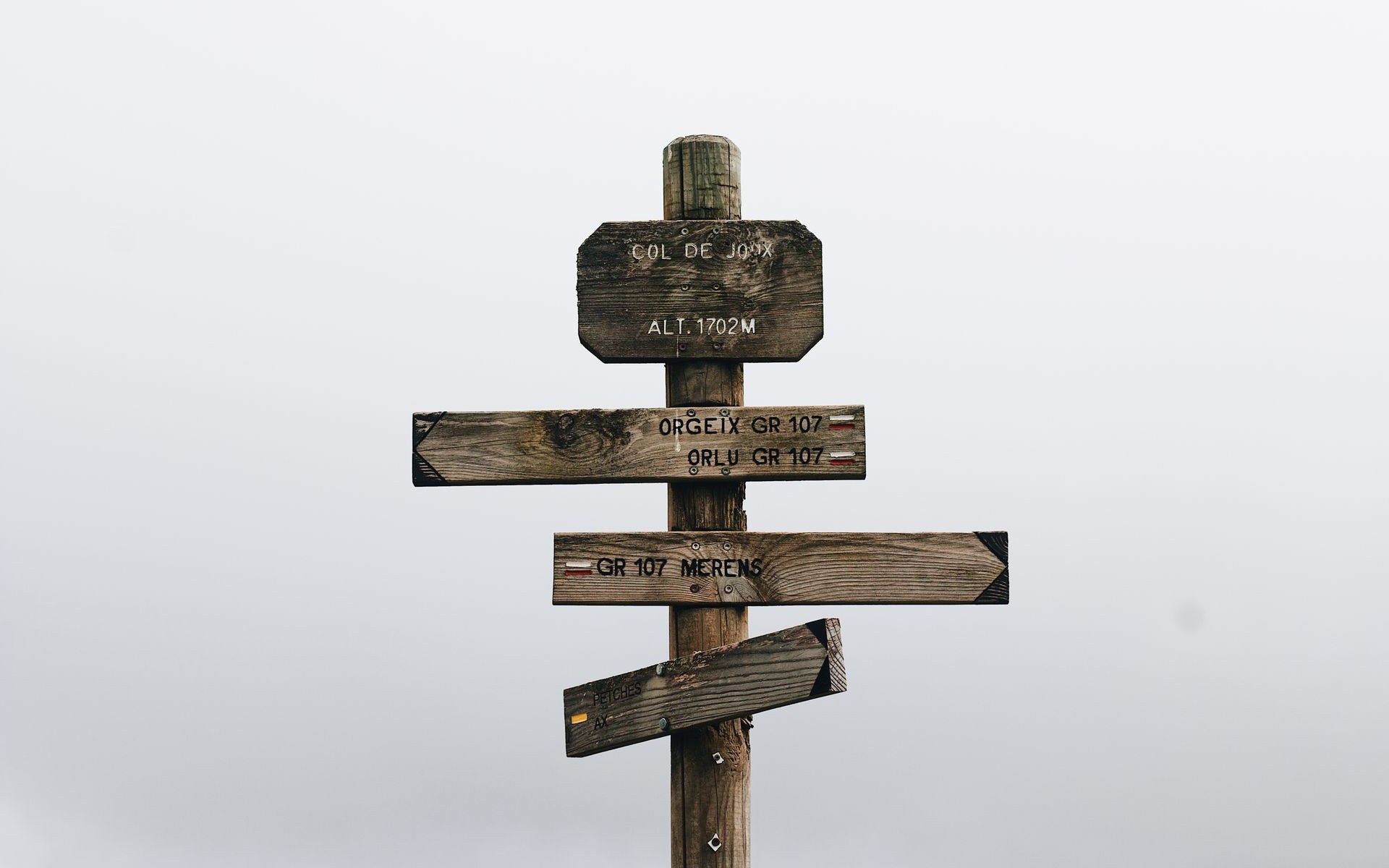
Sapa has no blazed trail system like the ones in Europe or North America. Here is what signs actually exist on the paths, and how to find your way without them.

Halfway down a Sapa valley your phone drops to no service. Here is what to do before you leave town, so losing signal never means losing your way.
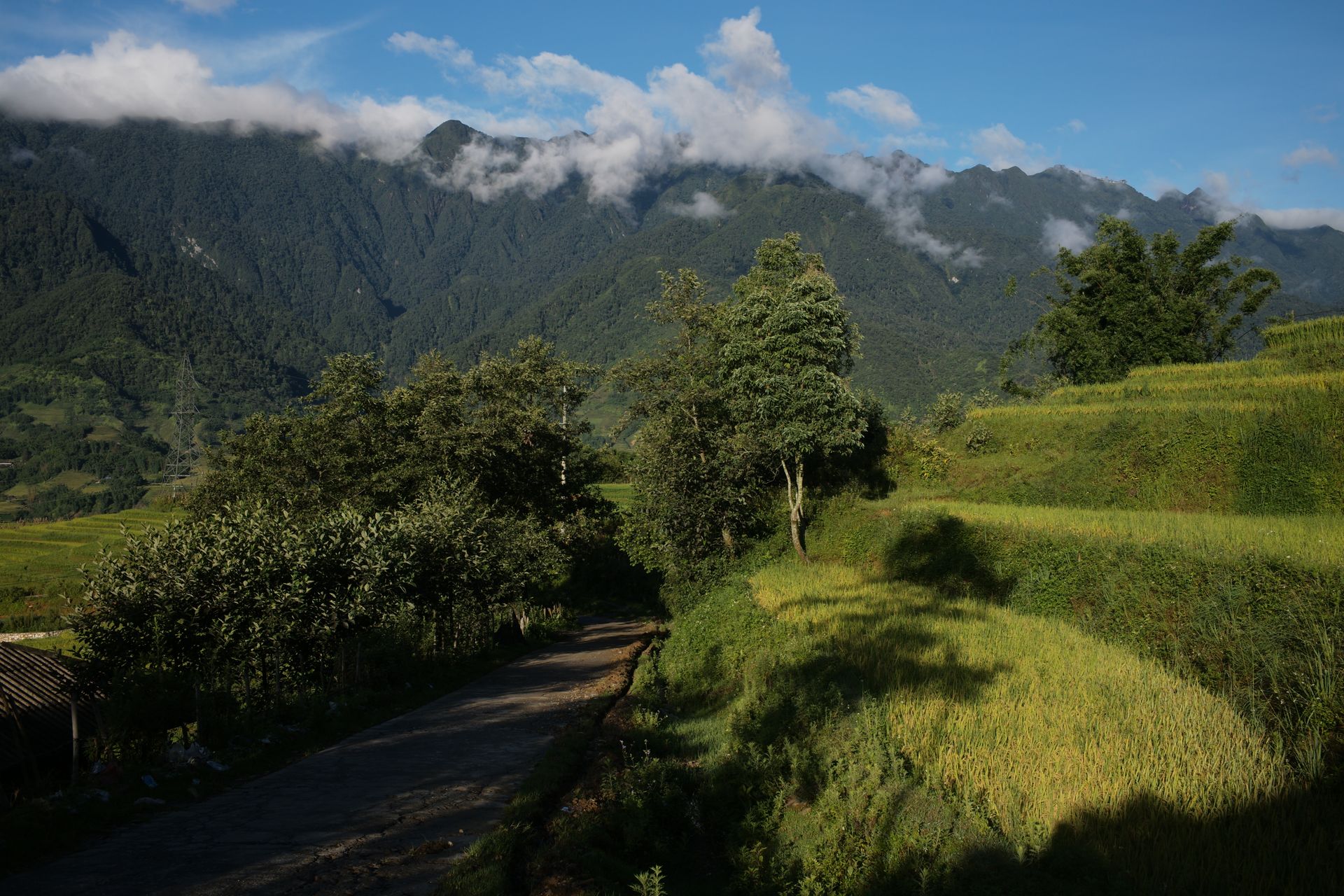
The path between two Sapa villages splits four ways with no sign and no one in sight. Here is how to tell you are lost early, and how to find your way back without panic.

In Sapa, the morning is your friend and the afternoon is a gamble. Here is why every good trek starts before 8 AM, and what happens when the sky turns at 2 PM.
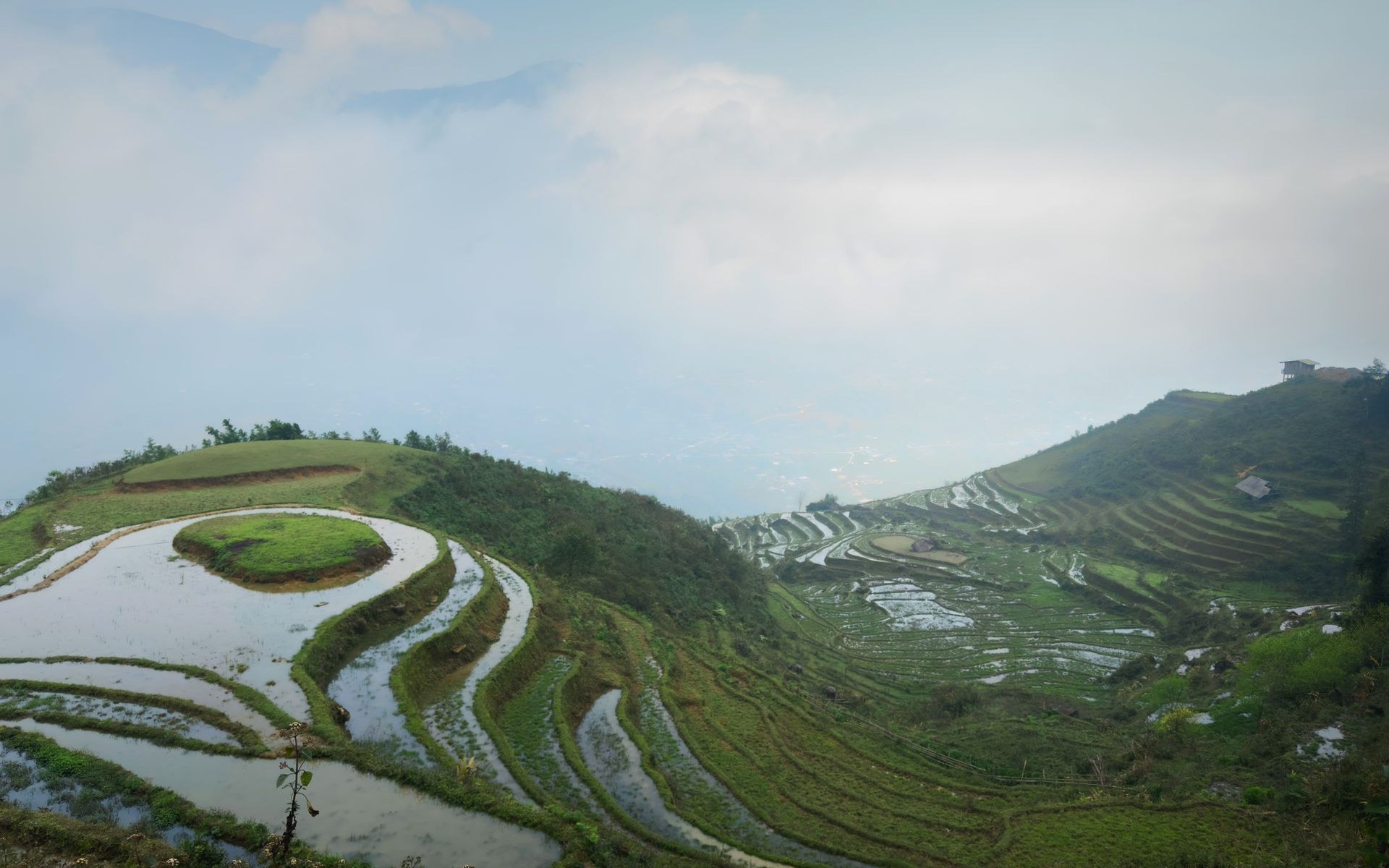
Sapa's rain peaks in June, July and August, when trails turn to mud and afternoon storms roll in daily. If this is your first trek, here are the weeks to avoid and the windows to aim for instead.
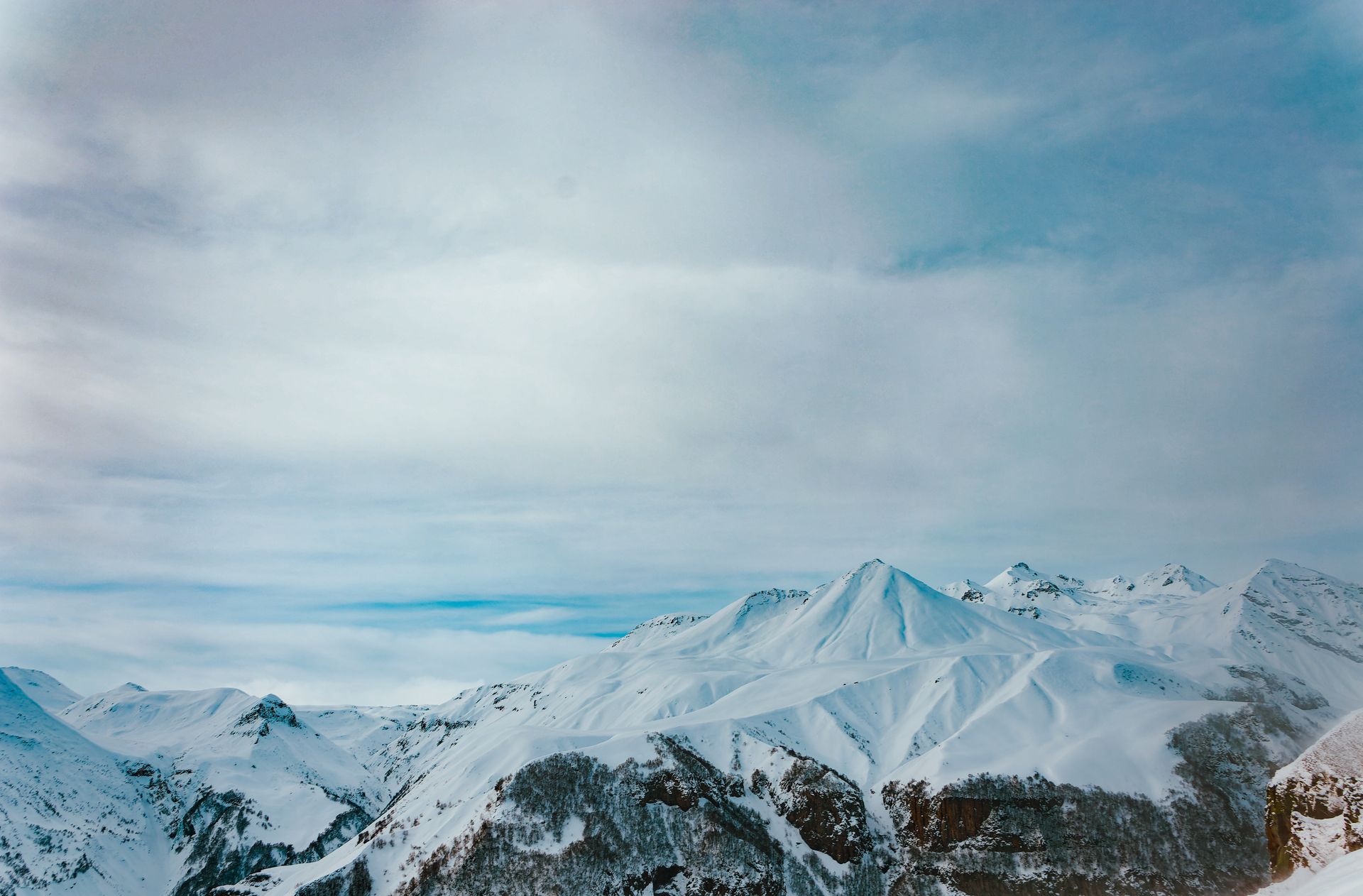
Winter in Sapa means cold mornings, frost on the stone steps, and bare terraces under low cloud. Snow is rare and never guaranteed. Here is what a December to February trek is actually like, and how to dress for it.
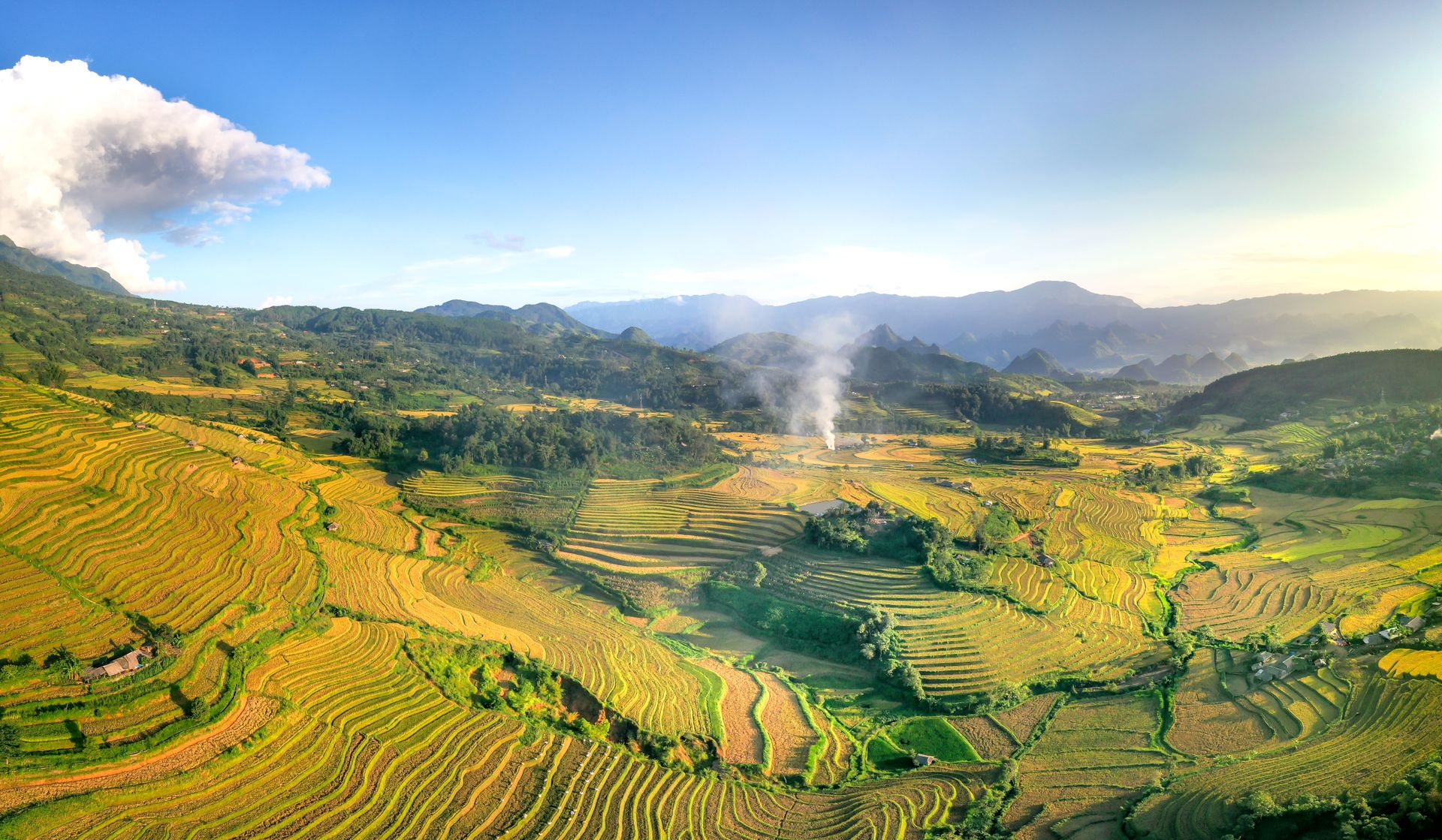
In September the Sapa terraces turn gold and the paths change with them. Cut fields, drying rice, threshing on the trail, and busy viewpoints are all part of the walk. Here is what to expect and how to handle it.
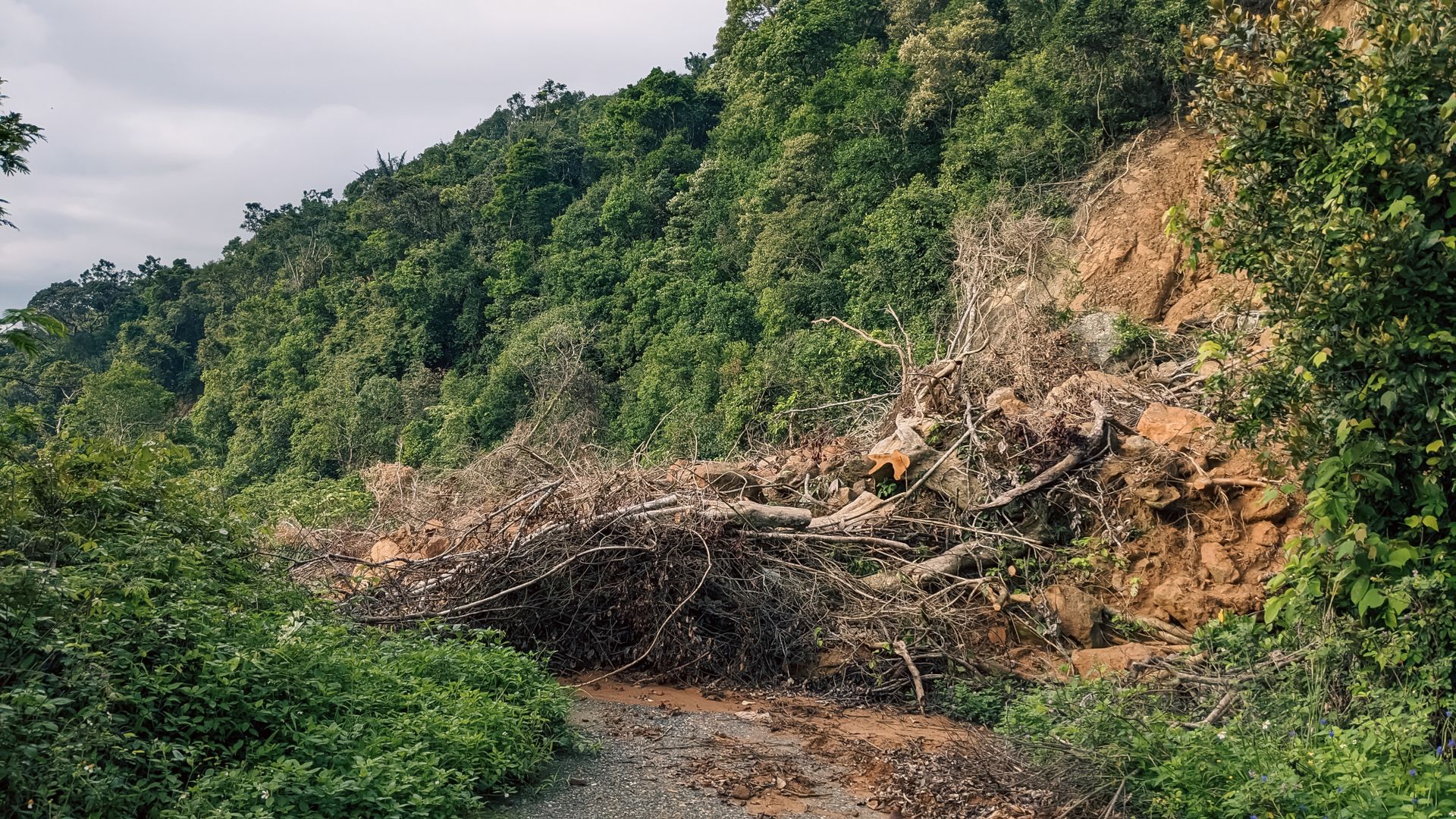
Heavy rain can take a Sapa trail out overnight. Fresh cracks, leaning trees, and water seeping from a slope all say stop. Here is how to read a trail before you trust it.
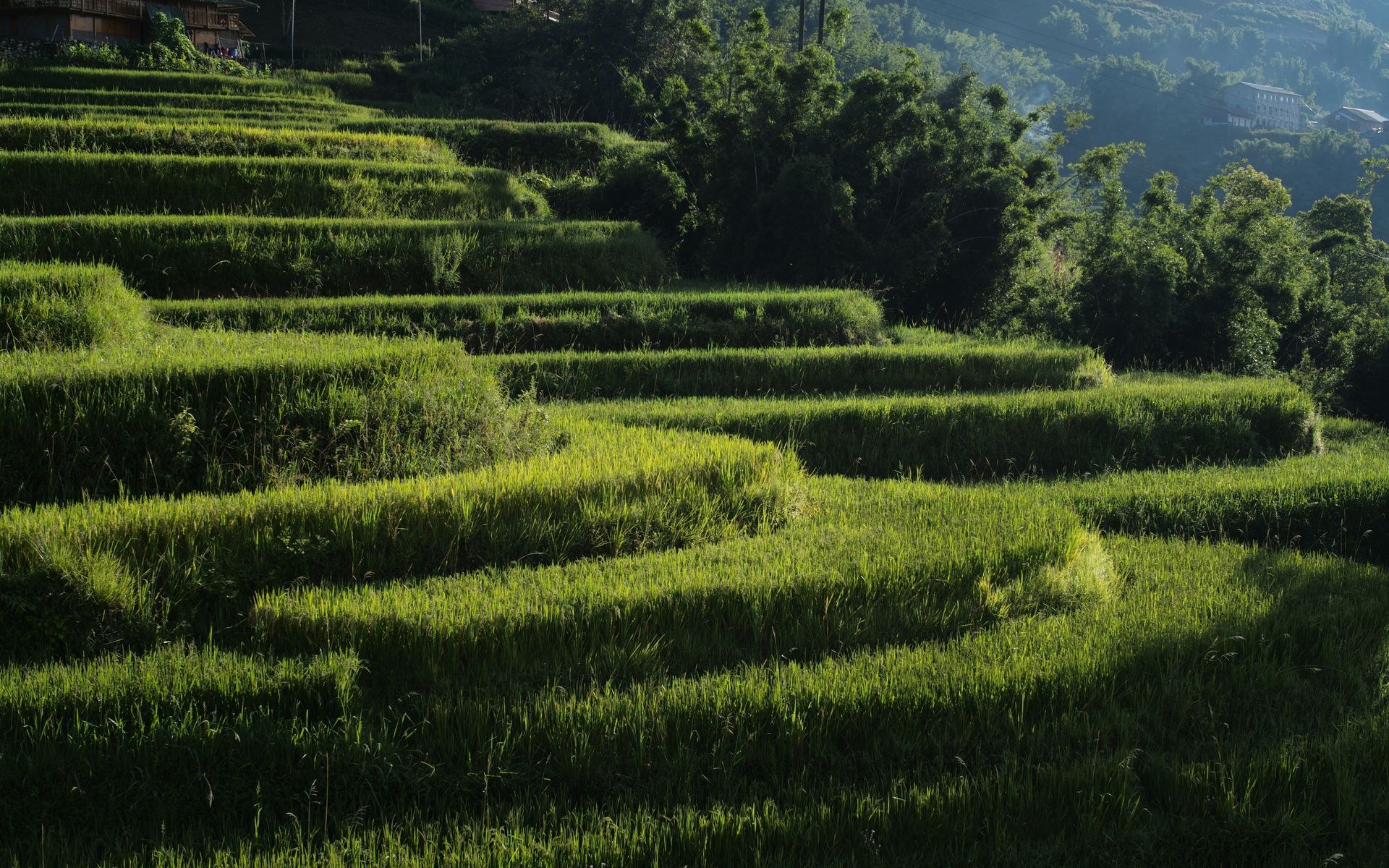
Sapa feels cool in the morning, then the midday sun hits the open terraces hard. Put sunscreen on before you start, wear a hat, carry water, and plan your walking hours around the heat.
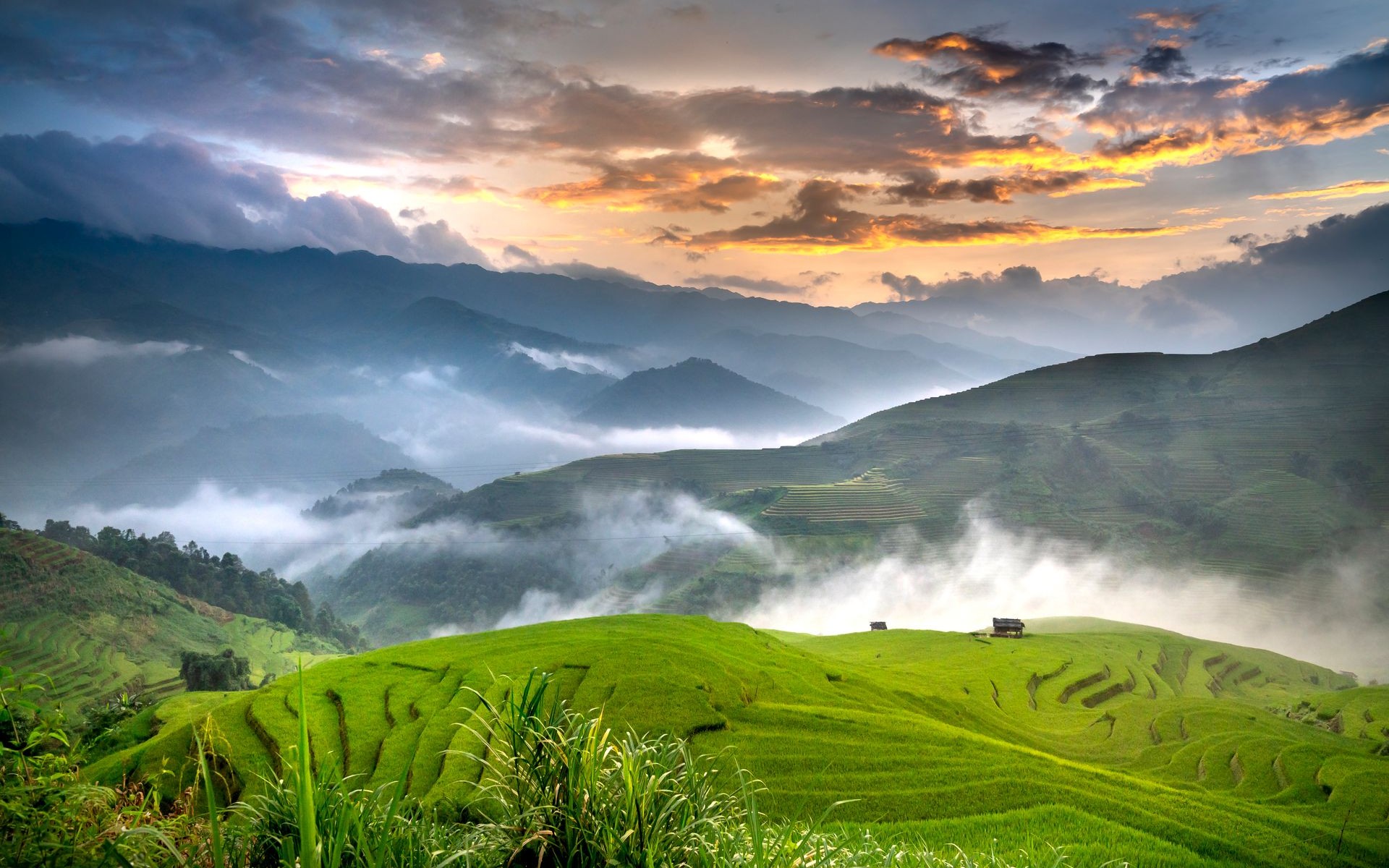
A 6 AM start in the valley can feel ten degrees colder than Sapa town. Dress in three layers you can peel off, keep your hands and feet warm, and you will be comfortable by the first climb.
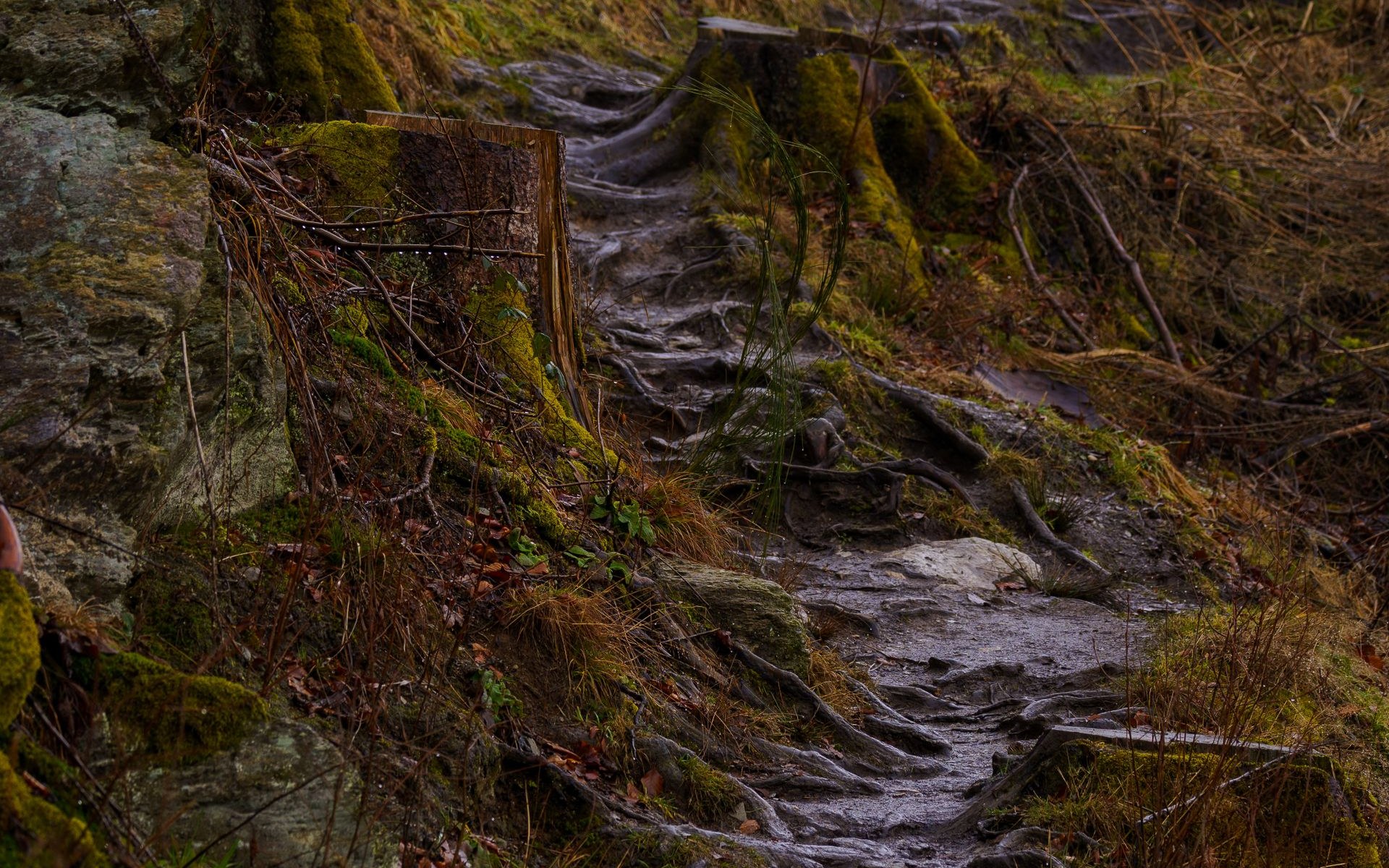
Rain turns Sapa's red clay paths into a slide. Short steps, flat feet, and a stick in your hand keep you upright. Here is how to walk them without falling.
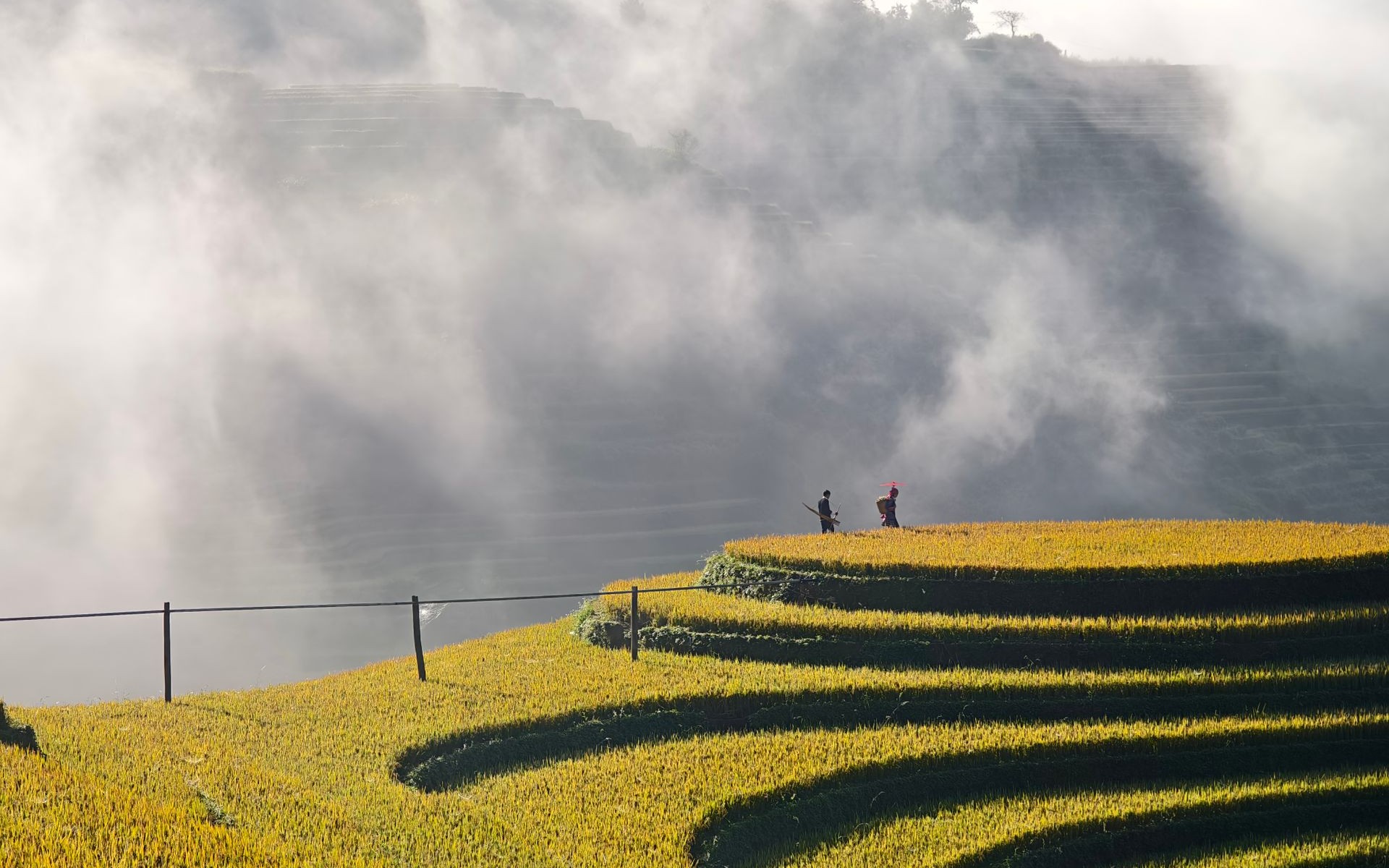
Fog rolls over a Sapa terrace path and the trail ahead disappears. Stop, stay with your guide, and wait it out. Here is exactly what to do, and when to turn back.
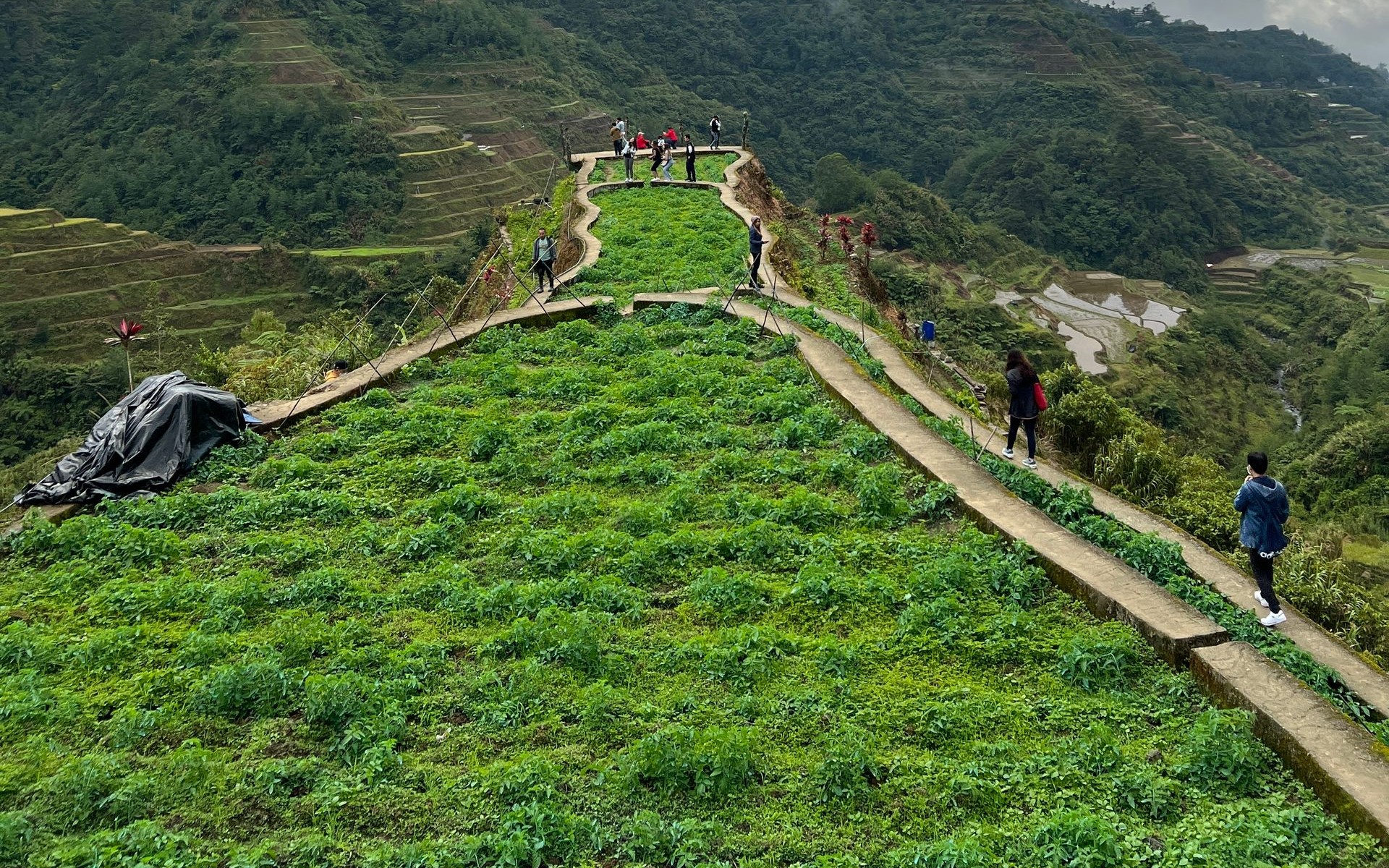
Two days on Sapa trails with one small backpack is not only possible, it is the easy way to walk. Here is exactly what goes in, what stays in town, and what most first-timers pack by mistake.
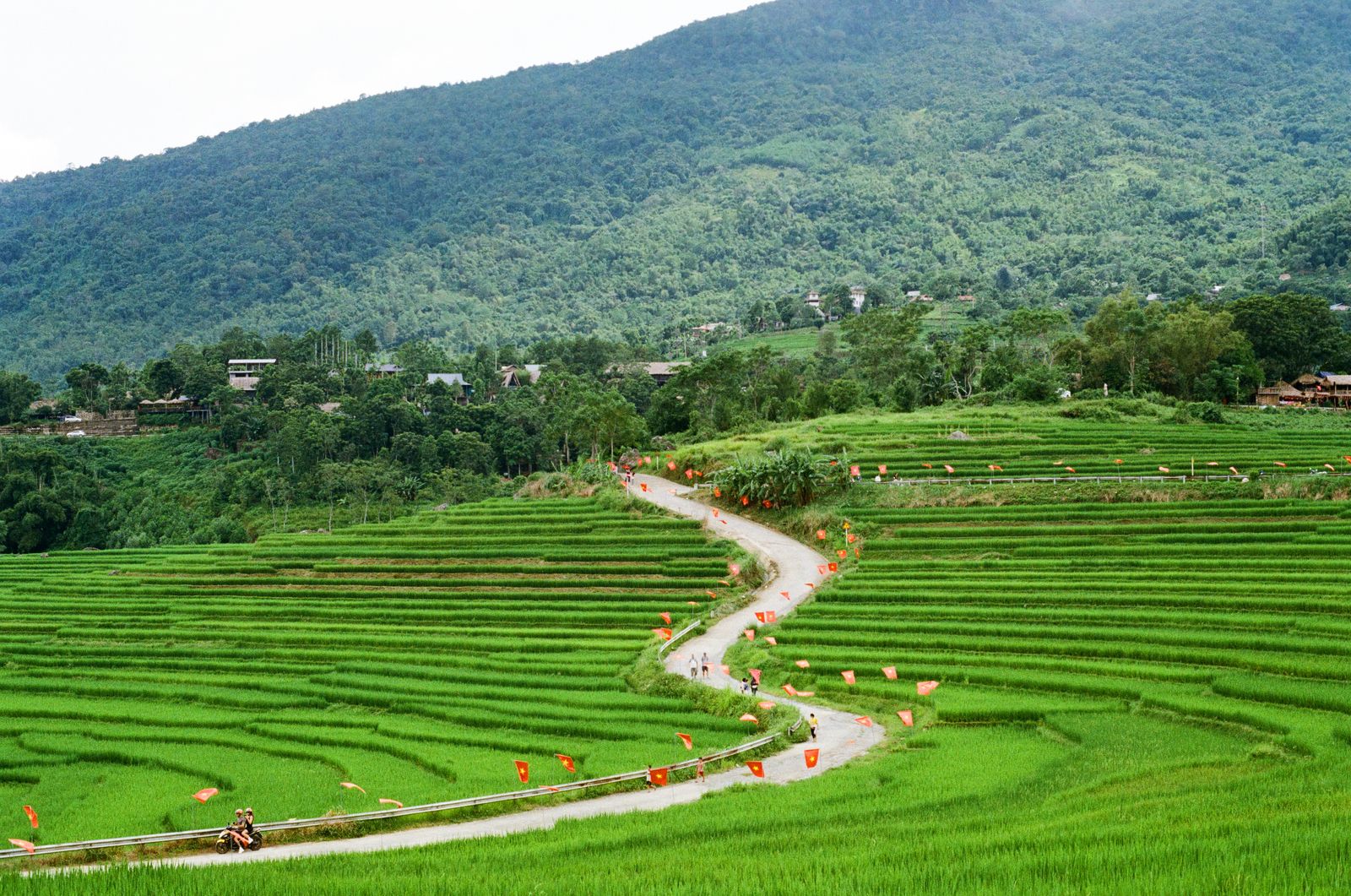
The Y Linh Ho to Ta Van walk is the busiest route in Sapa, and on a clear morning it can feel like a queue. These quieter walks keep the terraces and the villages, without the crowds.
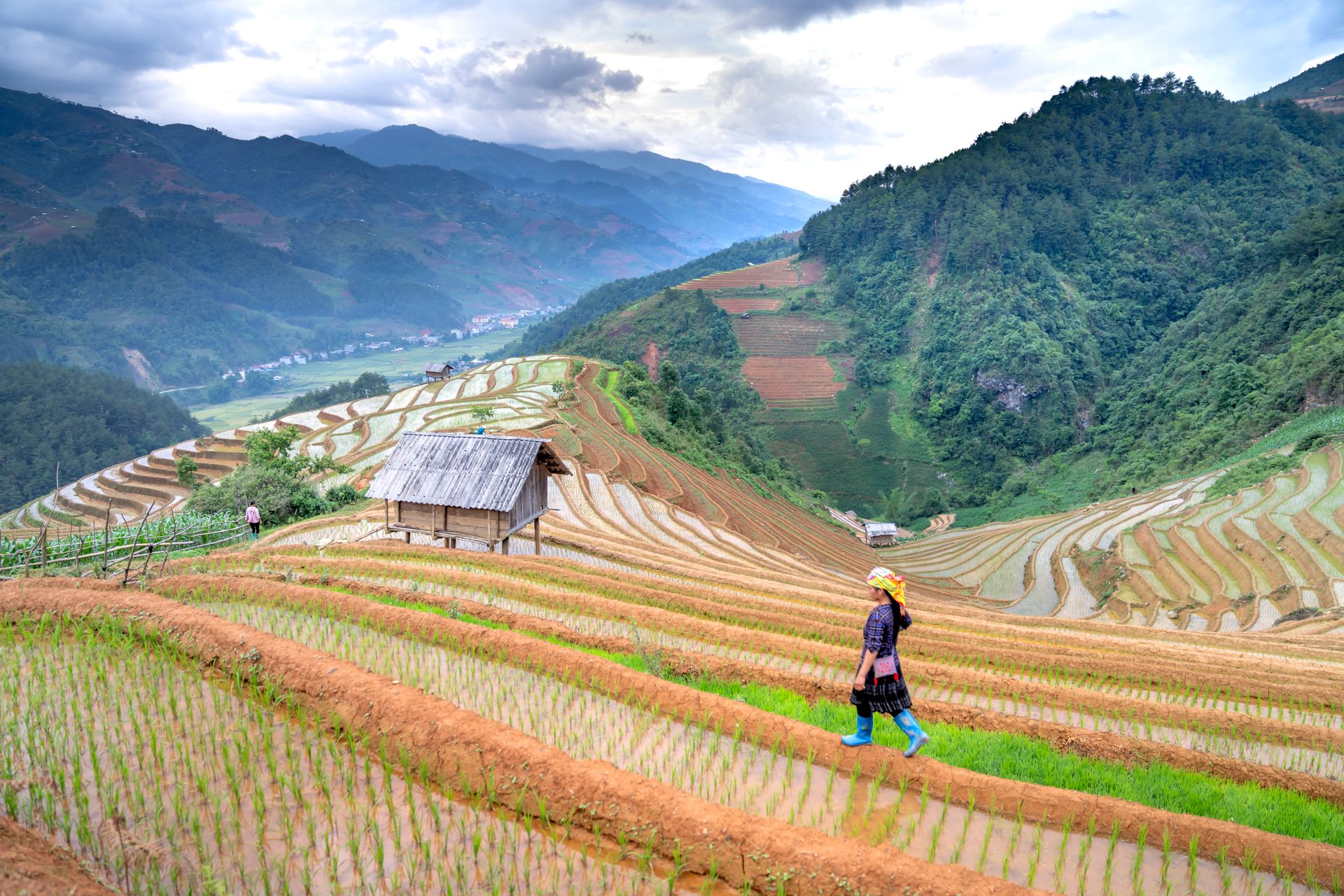
Trekking solo as a woman in Sapa is common, and most women do it with a local female guide from the valley. Here is what the day actually feels like, what to watch for, and how to book it right.
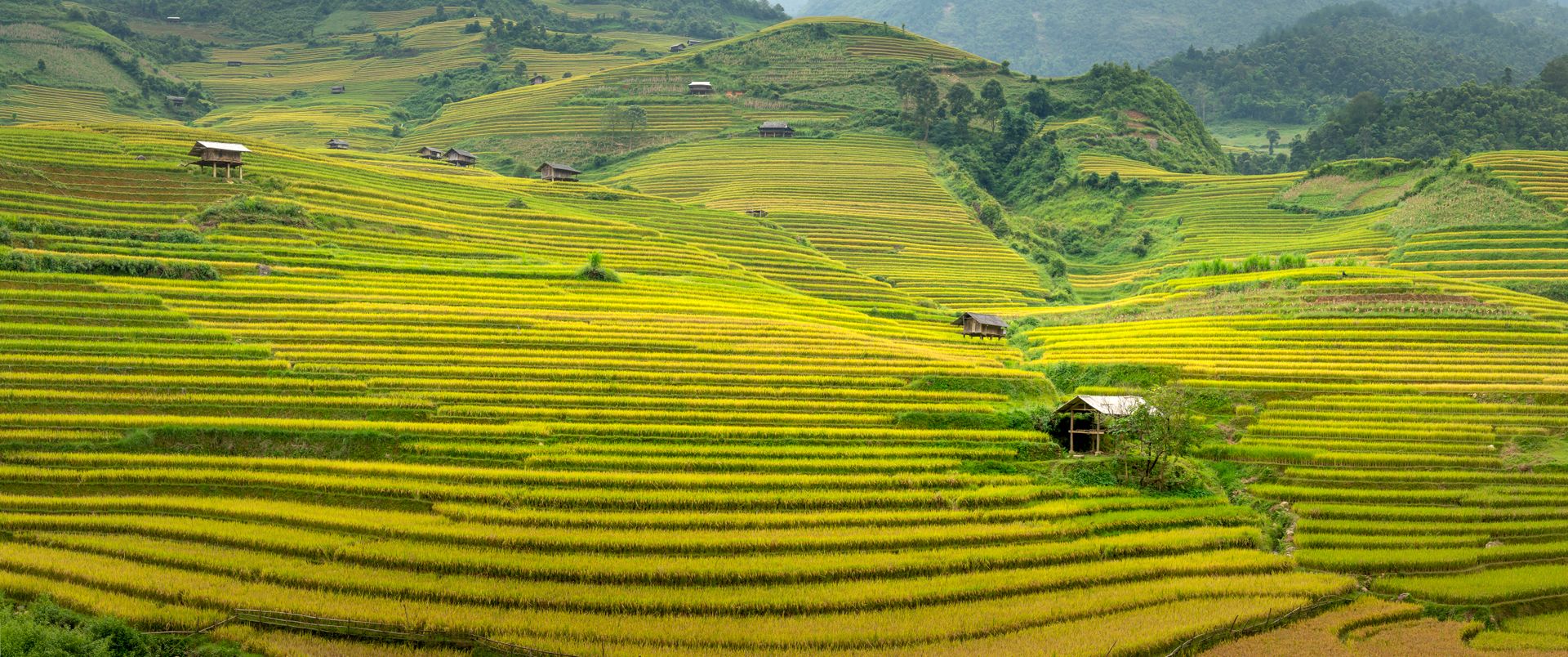
A night in a Ta Van homestay can be cold, noisy, and short on hot water, even after a good day on the trail. Pack one warm layer, ask about the bathroom before you book, and the night is easy to handle.
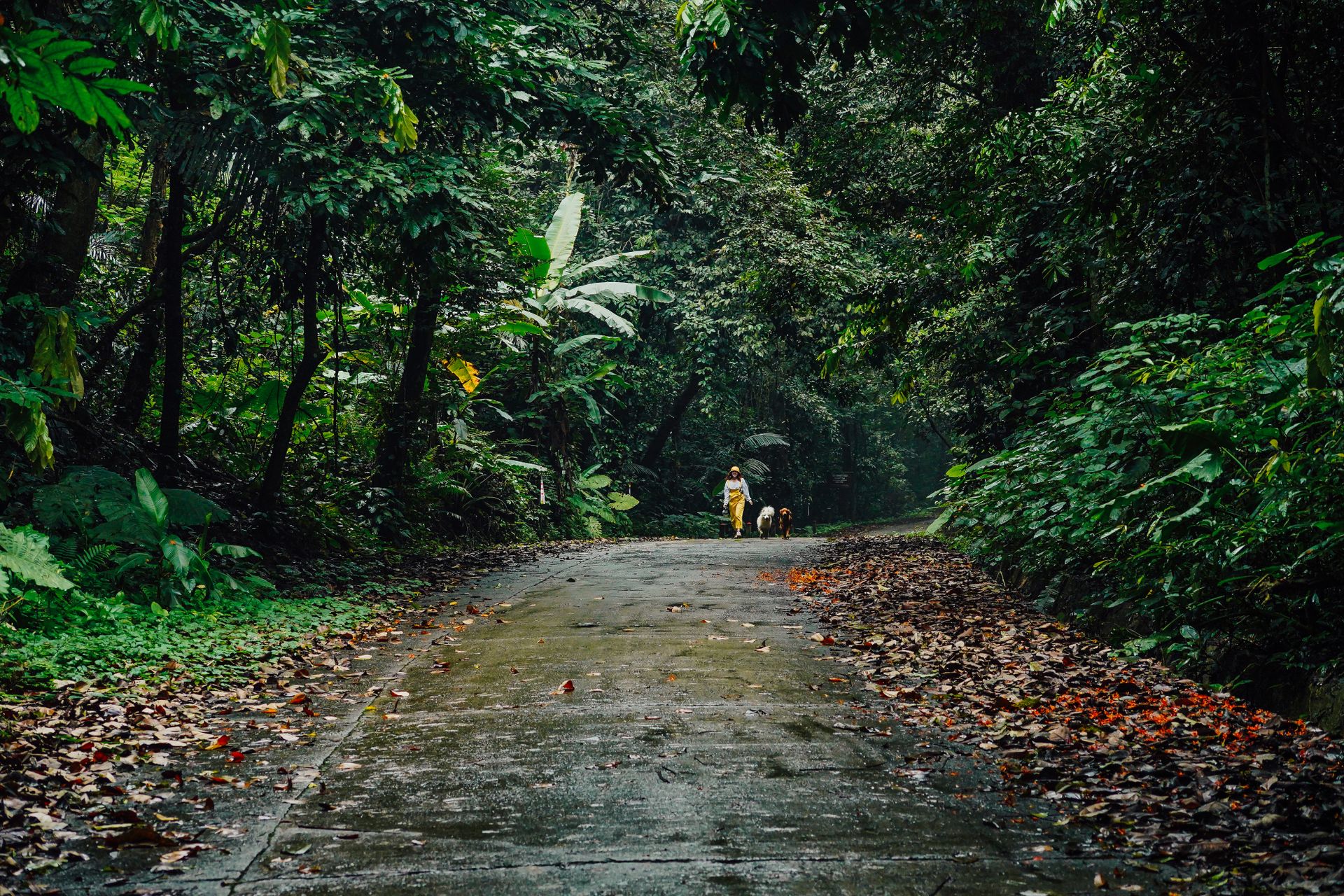
Sapa trails are wet, muddy, and sometimes crossed by streams, and leeches find bare ankles in the rainy months. Wear long socks, expect mud, and cross streams slowly with your guide.
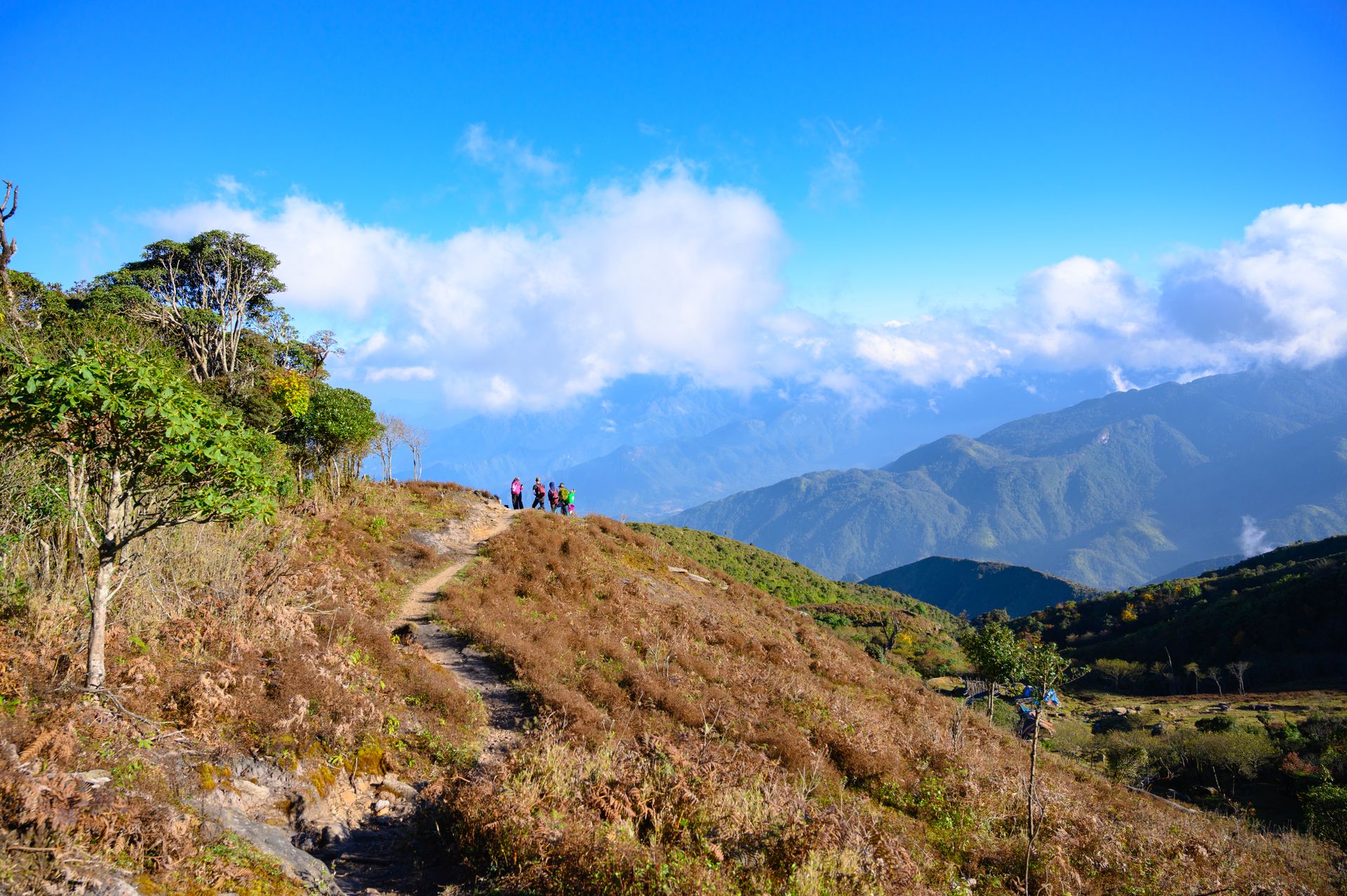
You twist an ankle or feel sick halfway down a Sapa valley path. Tell your guide straight away. Minor problems mean rest and a slower walk. Serious ones mean a motorbike to the road and a ride back to Sapa town.
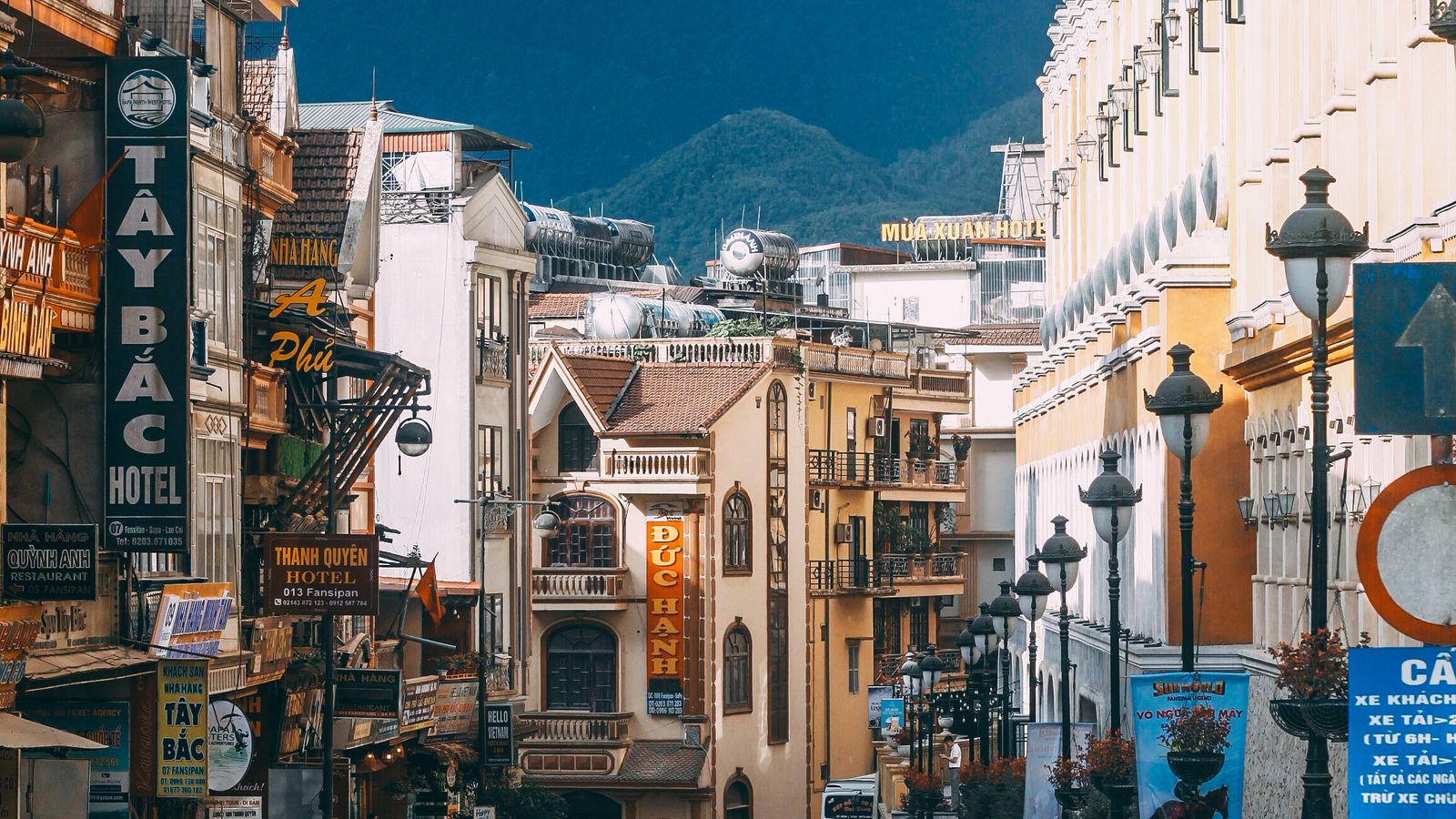
Someone stops you in Sapa town and offers a trek. A real local guide names the route, the villages, and what is included before you walk. A tout pressures you, stays vague, and hands you to someone else.
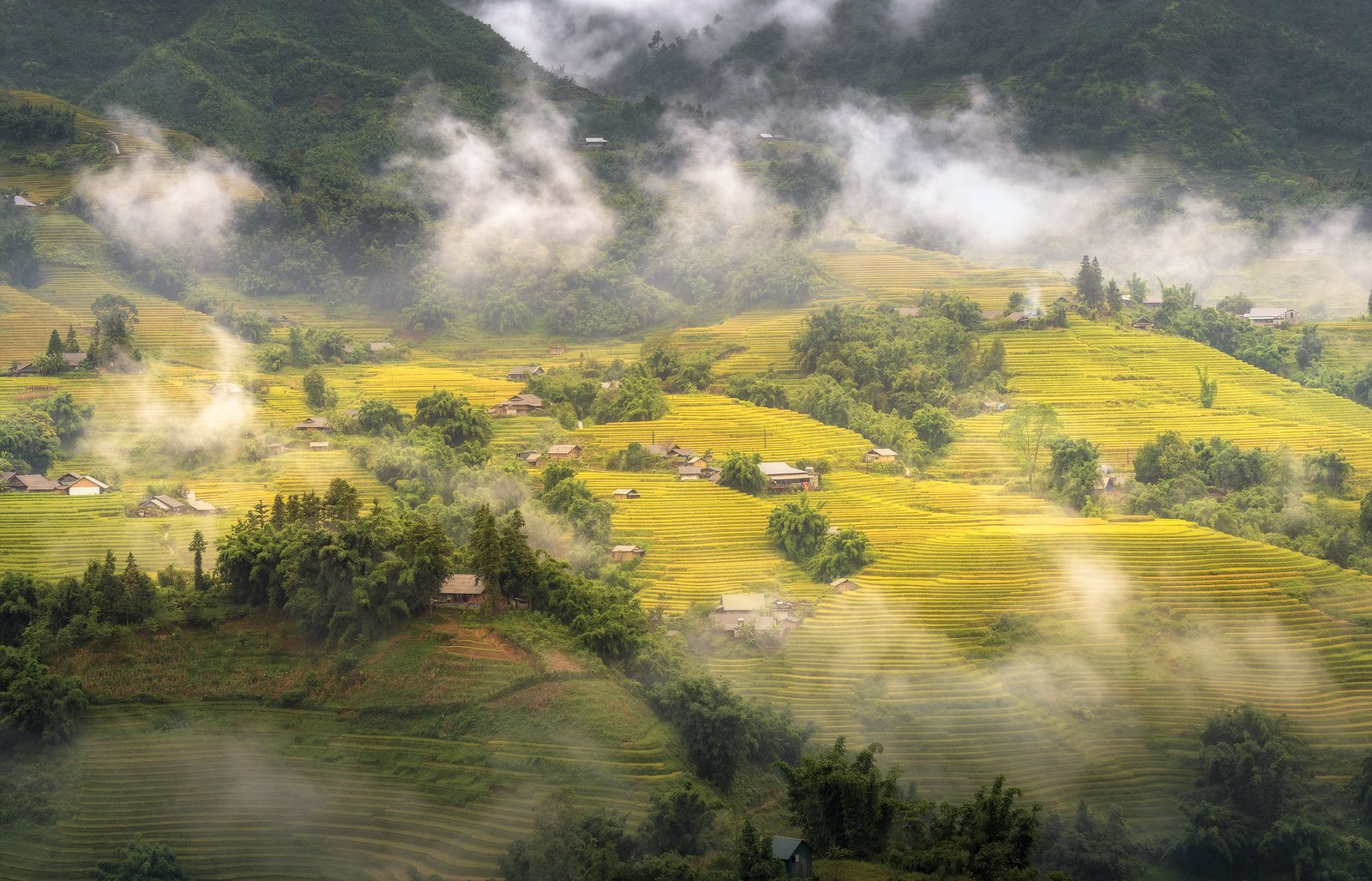
Rain starts halfway down a Sapa terrace path and you have to decide fast: keep walking, or turn back. Light rain on a firm path is fine. Thunder, a rising stream, or a path that has turned to slick clay is not.
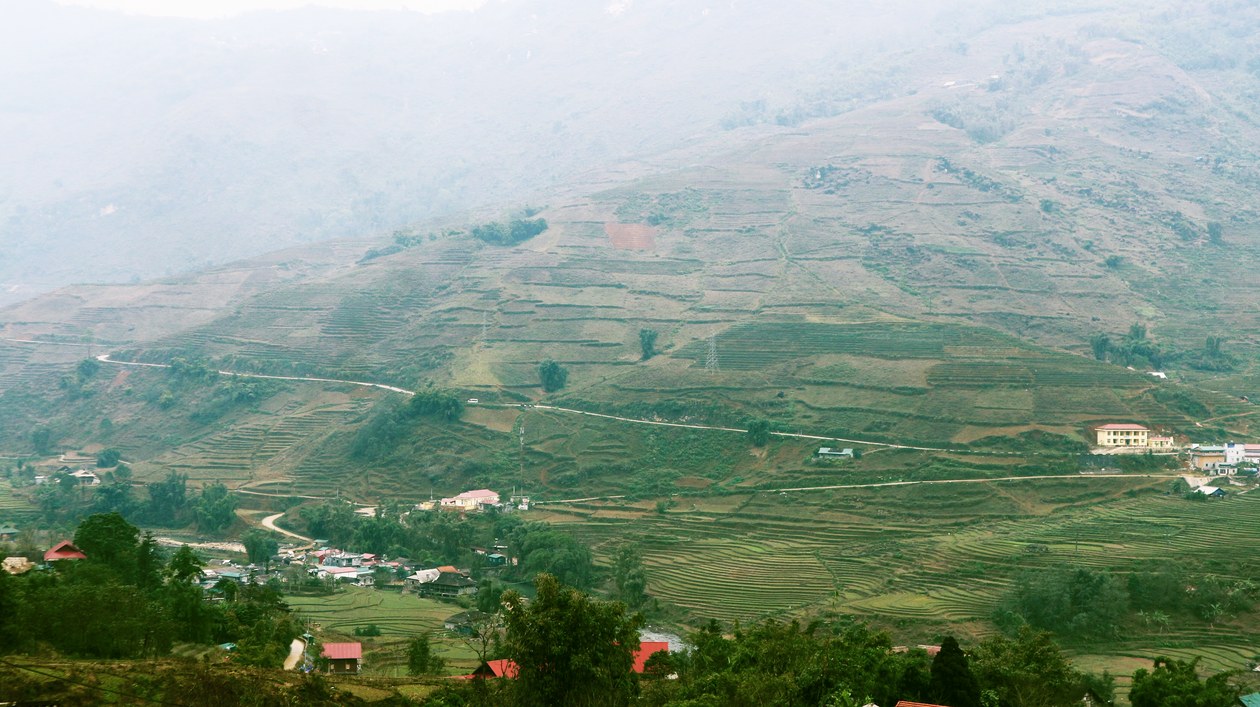
Muong Hoa Valley is the valley most Sapa photographs come from: terraces stacked down both slopes, a stream running along the valley floor, villages in between, and a field of carved stones whose meanings are still not settled. Walk it slowly, and the valley makes sense as a working place, not just a view.
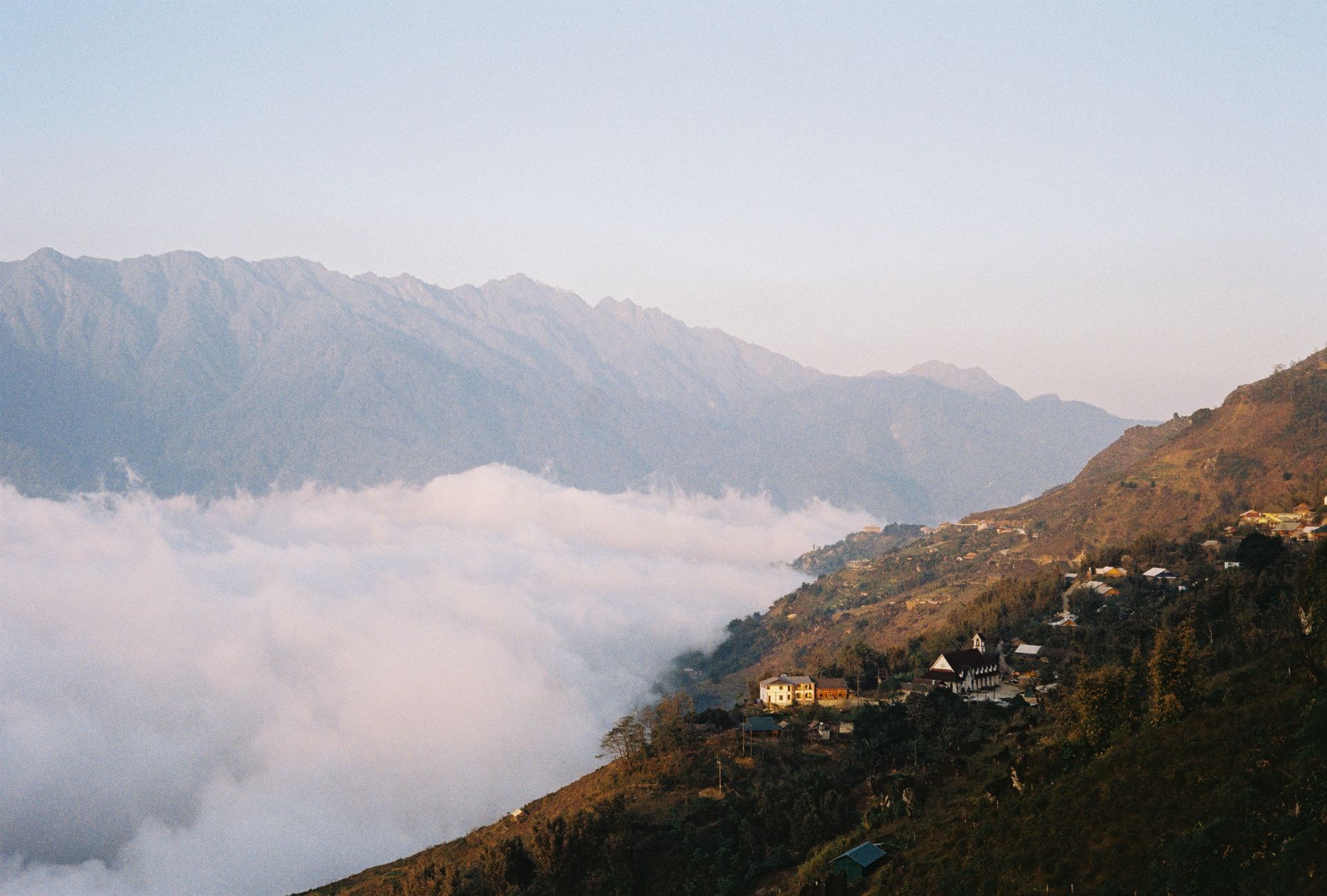
A hotel in Sapa town gives you a hot shower, a firm bed, and a quiet night after the walk. A homestay in Ta Van gives you the valley itself: dinner with a family, a morning among the terraces, and a shorter second day. Most trekkers get the best trip by mixing the two.
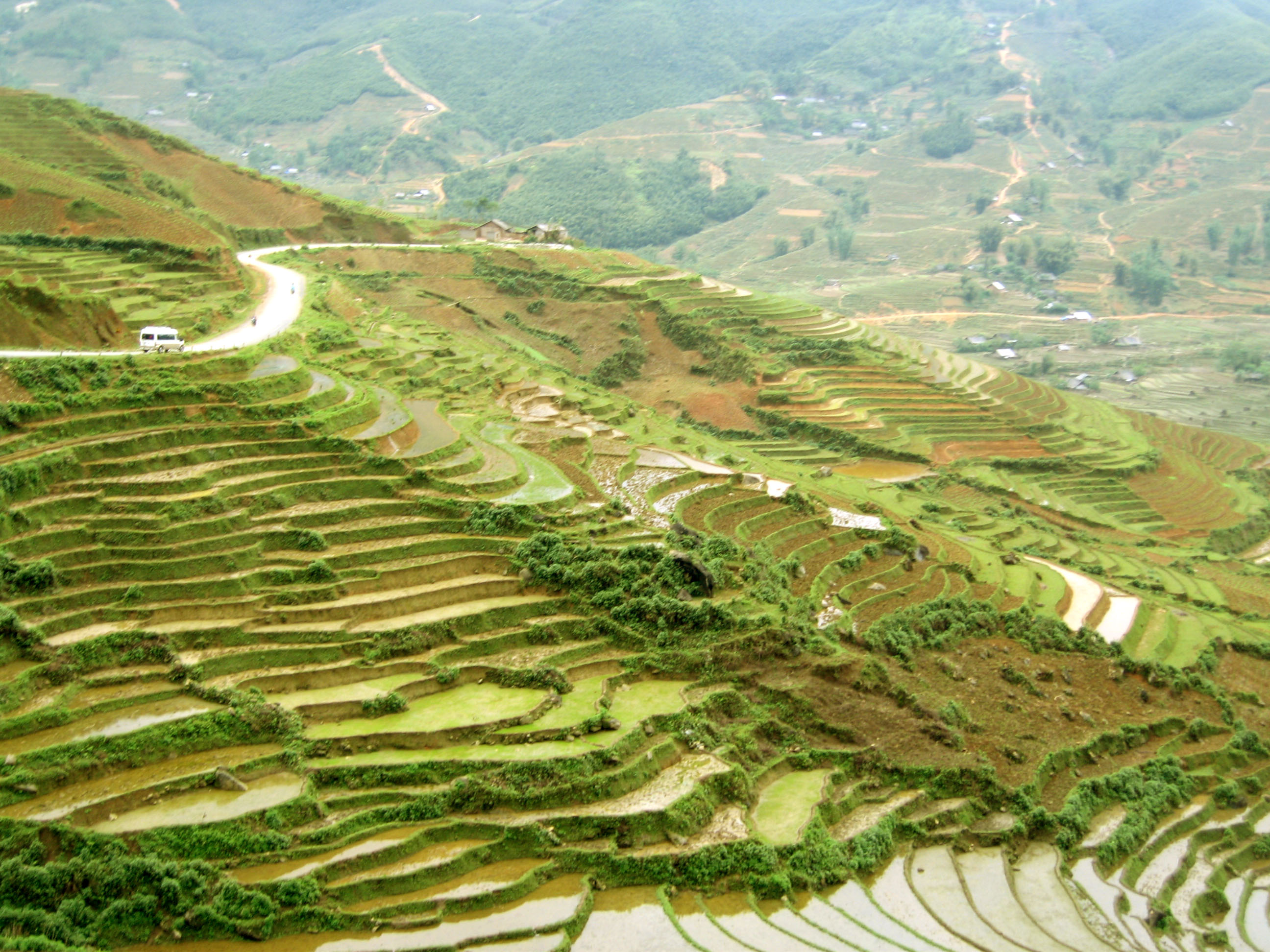
Yes, with the right route and the right pace. Short valley walks, a private guide, and a night in Ta Van make Sapa work for young children and older walkers, while the steep descents and the Fansipan climb do not.

Most Sapa treks are village walks, not mountain climbs, but the difficulty depends on the route you pick. Here is an honest scale, from the easy 12 km valley day to the hard Fansipan summit, and how to tell which one fits you.
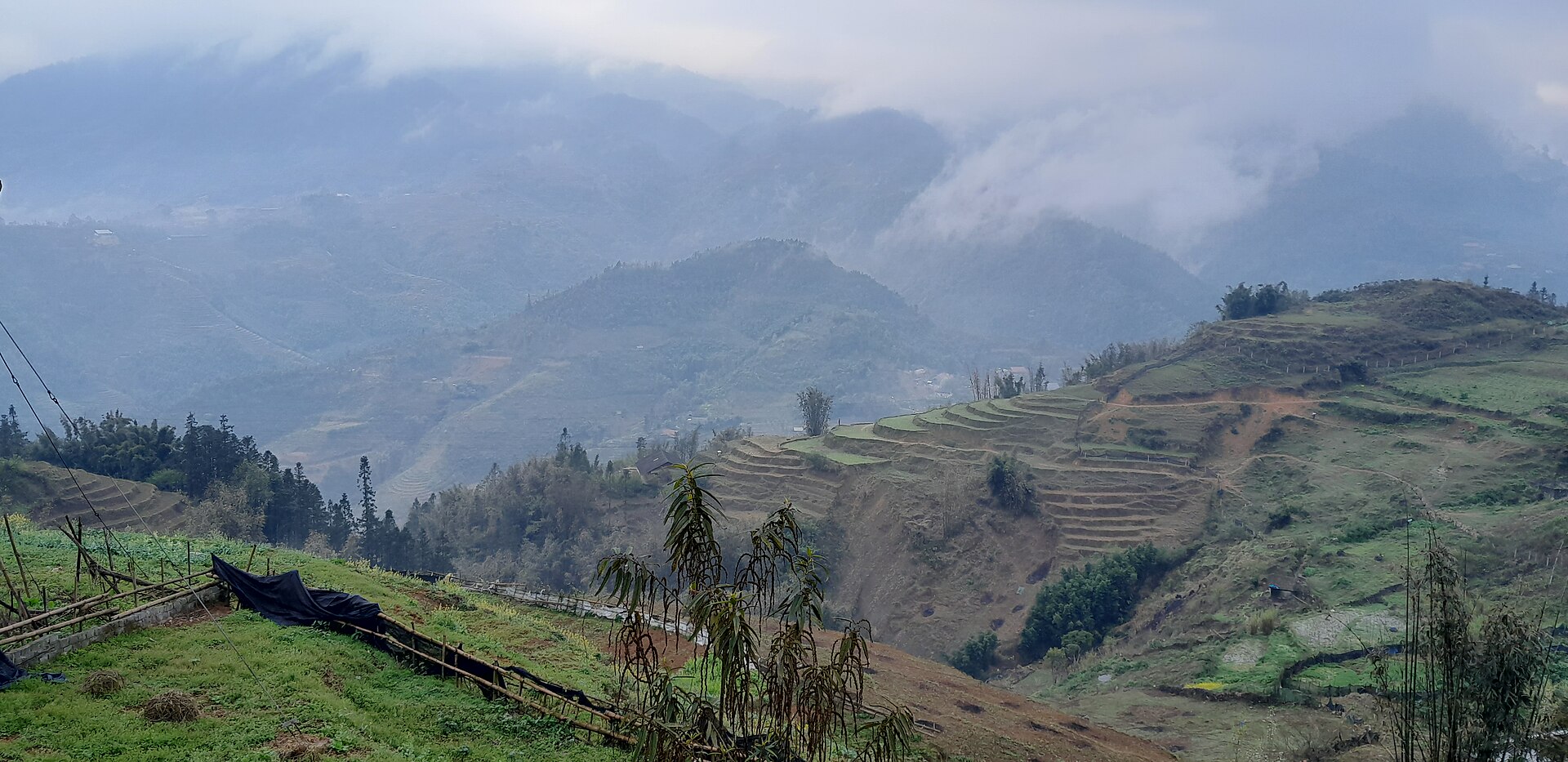
The classic Sapa valley walk runs about 12 km from Sapa town through Y Linh Ho and Lao Chai to Ta Van, mostly downhill, in 6 to 7 hours with stops. Here is each step, what the trail is like, and how to plan the day.
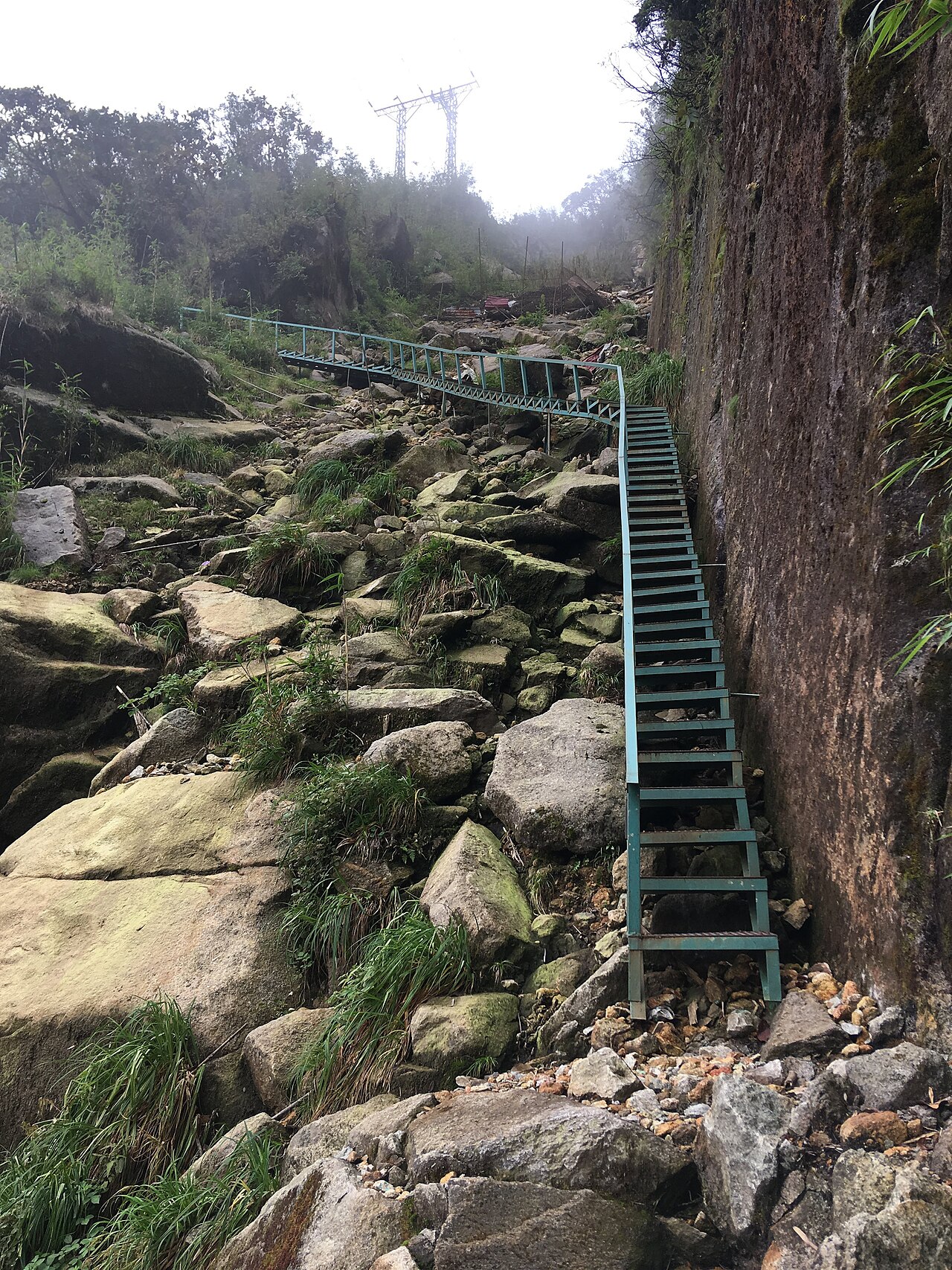
The classic Sapa valley walk is about 12 km on farm paths, not a mountain expedition. Pack for mud, sun, and a change in the weather, and leave the heavy gear at home.
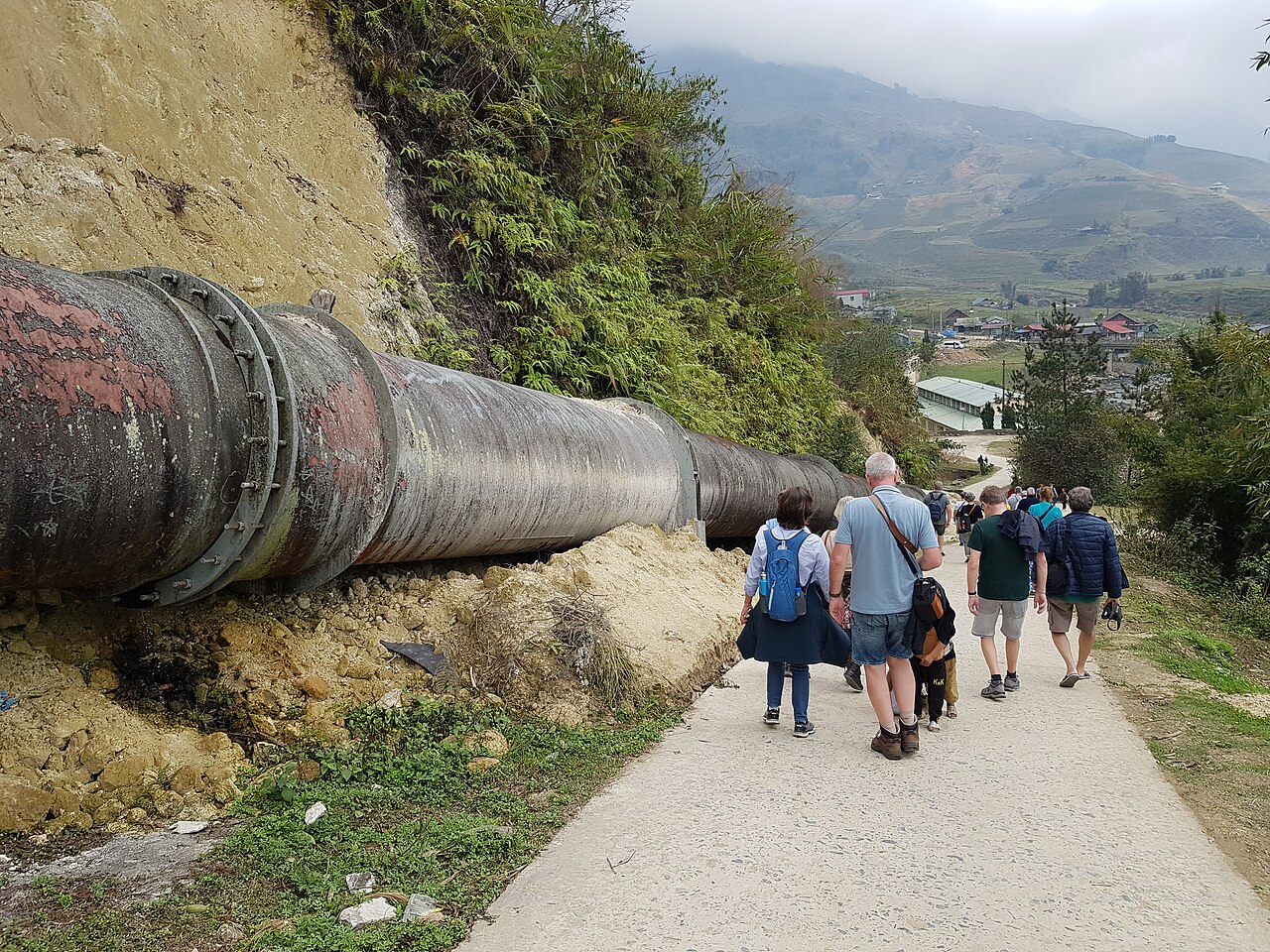
You can walk many of Sapa's classic valley trails on your own, but not everywhere, and not every walker should. Here is where going unguided works, where it does not, and the one rule you must not break.
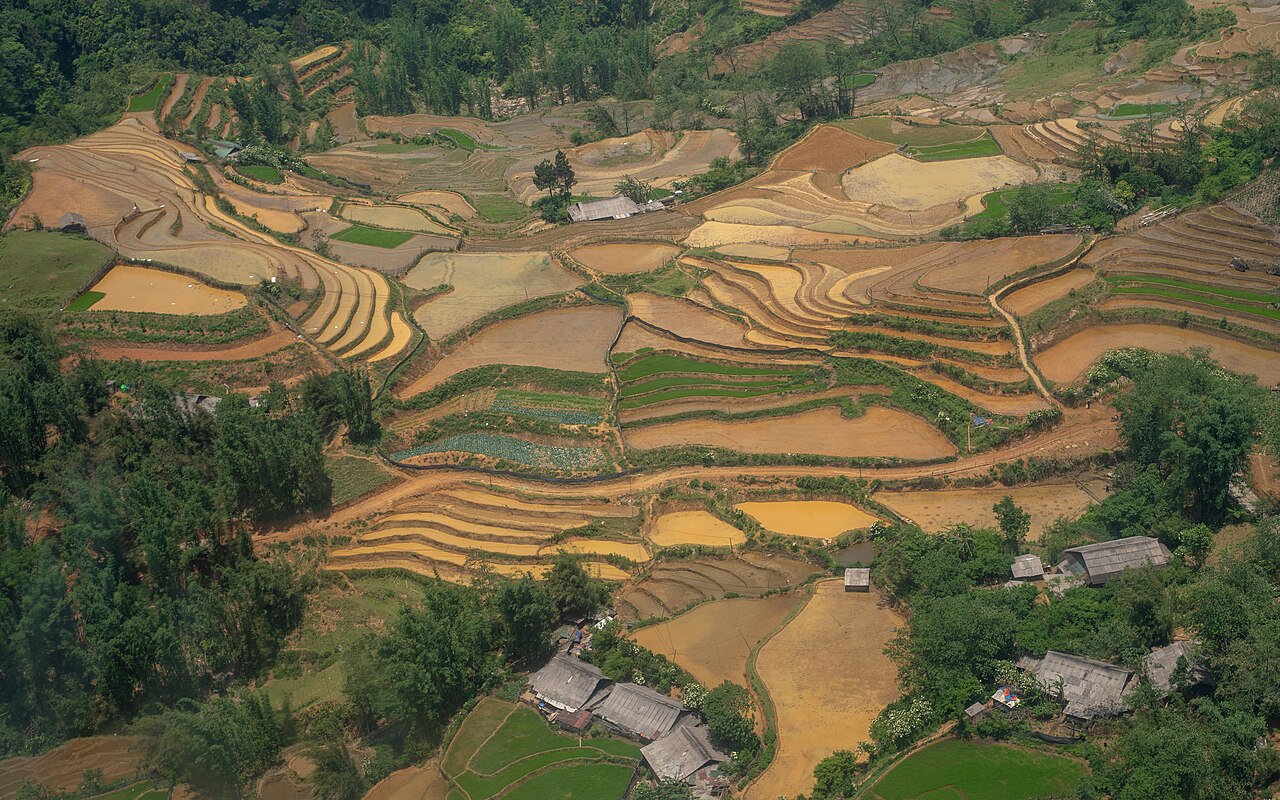
A month by month guide to trekking in Sapa: when the terraces are green, when they turn gold, and which months to avoid for mud, fog, or cold.
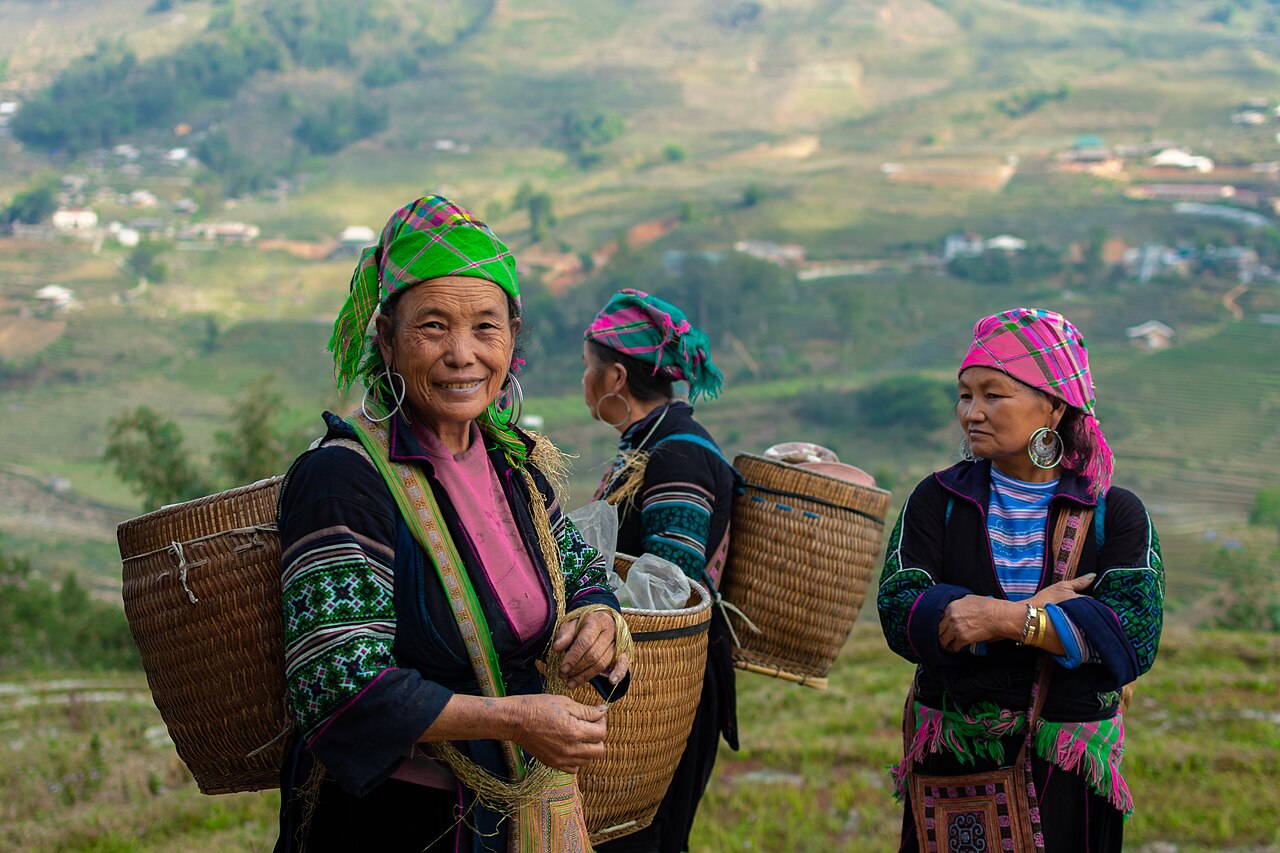
Ta Van is the village at the end of the classic Y Linh Ho, Lao Chai and Ta Van route. How the trail arrives, where to sleep, and what to walk the next morning.