Afternoon Storms: Why Sapa Treks Start Early
In Sapa, the morning is your friend and the afternoon is a gamble. Here is why every good trek starts before 8 AM, and what happens when the sky turns at 2 PM.
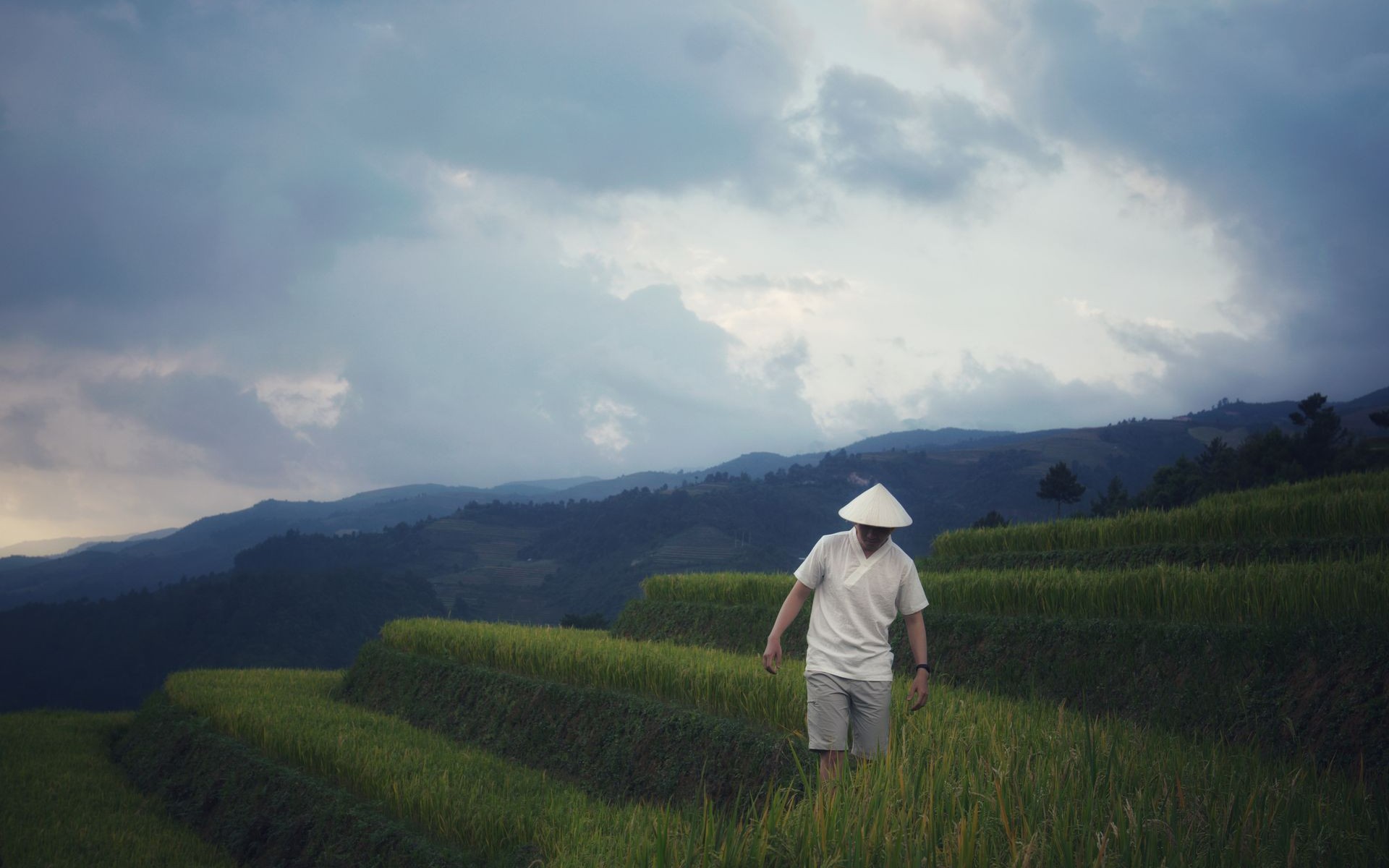
Source: Braven Nguyen via Pexels (https://www.pexels.com/photo/a-man-in-an-asian-hat-walking-through-the-fields-14475975/)
You set off at 10 in the morning under a blue sky. The terraces glow, the path is dry, and the whole day feels easy. Then, around 2 in the afternoon, the sky turns black, thunder rolls across the valley, and rain comes down so hard you cannot see the next terrace. This is not bad luck. It is the normal shape of a wet season day in Sapa.
Why the afternoon turns
Sapa sits high in the mountains, and warm, wet air rises up the slopes all morning. By early afternoon that air has built into tall storm clouds. From roughly May to September, rain most often falls between 2 and 4 PM, often with thunder, and it can turn a path into a stream in twenty minutes. Mornings are different. The air is cooler and steadier, the clouds have not yet built, and the paths are at their driest. A guide who insists on a 7 or 8 AM start is reading the sky the way locals do.
What a storm does to your walk
Rain changes a Sapa trail fast. The red clay between the terraces turns slick within minutes, and a downhill stretch you walked up easily becomes a slide. Small streams you stepped across rise and run brown and fast. Visibility drops to a few metres in fog and driving rain. On a ridge or open terrace, lightning is a real risk.
What the early start buys you
Start at 7 or 8 AM and the day works with you. You cover the hardest ground while it is cool and dry, you reach the next village by early afternoon, and when the storm breaks you are already under a roof with dry clothes and hot food on the way. Ask your guide the evening before what time you leave, and treat a 7 AM start as a good sign, not an inconvenience. If a plan has you setting off at 10 or 11 AM in July or August, ask what happens when the rain arrives.
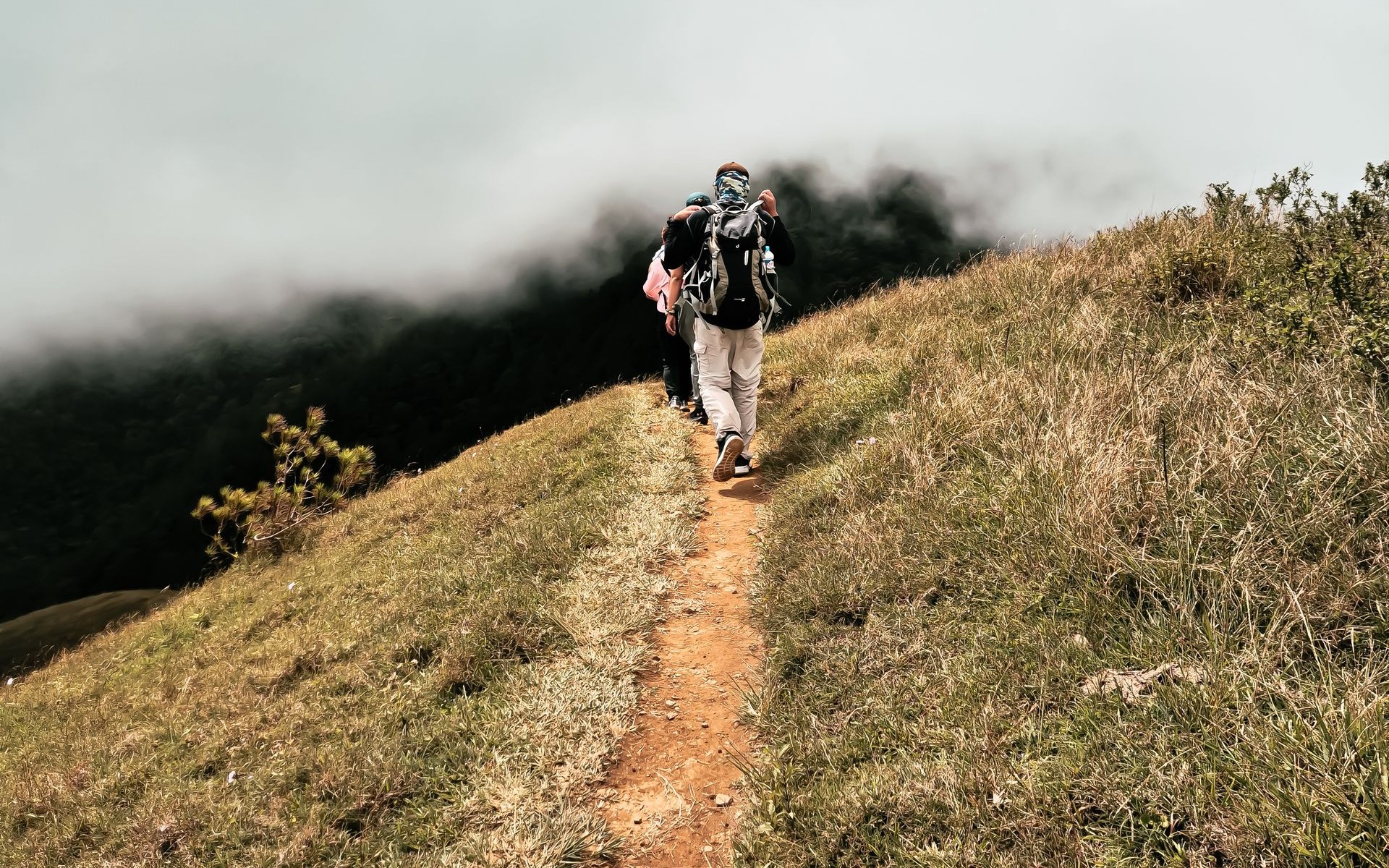
Source: Naveen Vaddempudi via Pexels. No location stated on the source page.
If you still get caught out
Sometimes the storm comes early, or the walk runs long. If thunder starts, get off high ground and away from lone trees, and wait under solid cover until the worst passes. Do not rush a stream crossing right after heavy rain. Water that was ankle deep an hour ago can be knee deep and strong now. Keep your poncho within reach, and your phone in a dry bag.
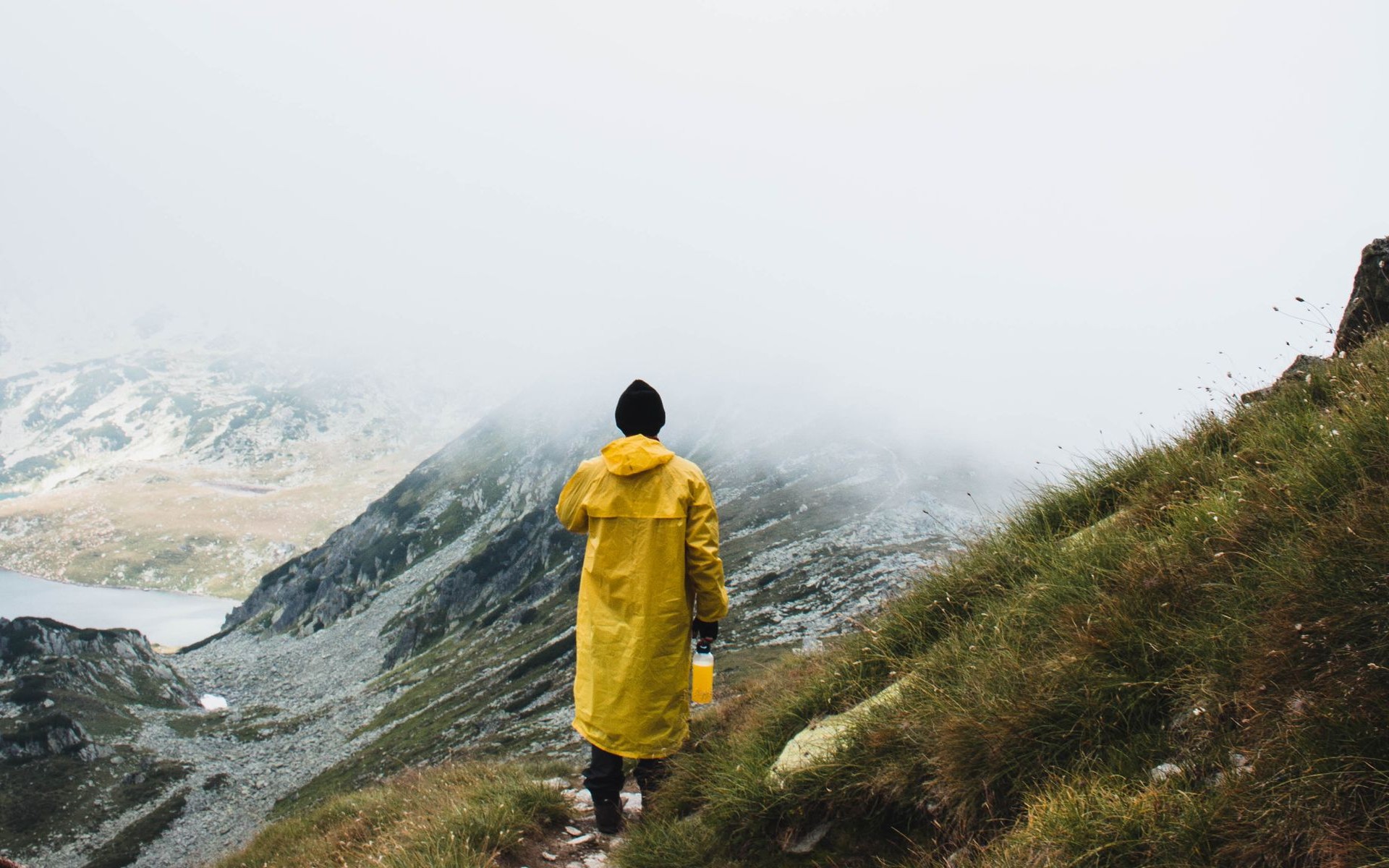
Source: Vlad Bagacian via Pexels, a lone hiker in a yellow raincoat on a foggy mountain trail in Romania.
Plan around the sky, not against it
Check the forecast the night before. In the mountains, a forecast that says "rain in the afternoon" is usually right about the timing and wrong about the exact hour, so plan for rain from 2 PM onward and be pleasantly surprised if it holds off. Pack a poncho even when the morning is clear, and leave a buffer for a slow afternoon.
The classic Y Linh Ho, Lao Chai and Ta Van trek starts early for exactly this reason, and the 2 day Ta Van homestay trek puts you in the village before the afternoon rain. Read the full Sapa trekking guide to plan your route, then message the house on WhatsApp or Zalo for a start time that fits your group.
Walk it with us
Every route in these guides ends at Cloud Valley. Sleep where the trail ends, not back in town.
Sapa Trekking Guide · 1 Day Valley Trek · 2 Day Homestay Trek
More guides
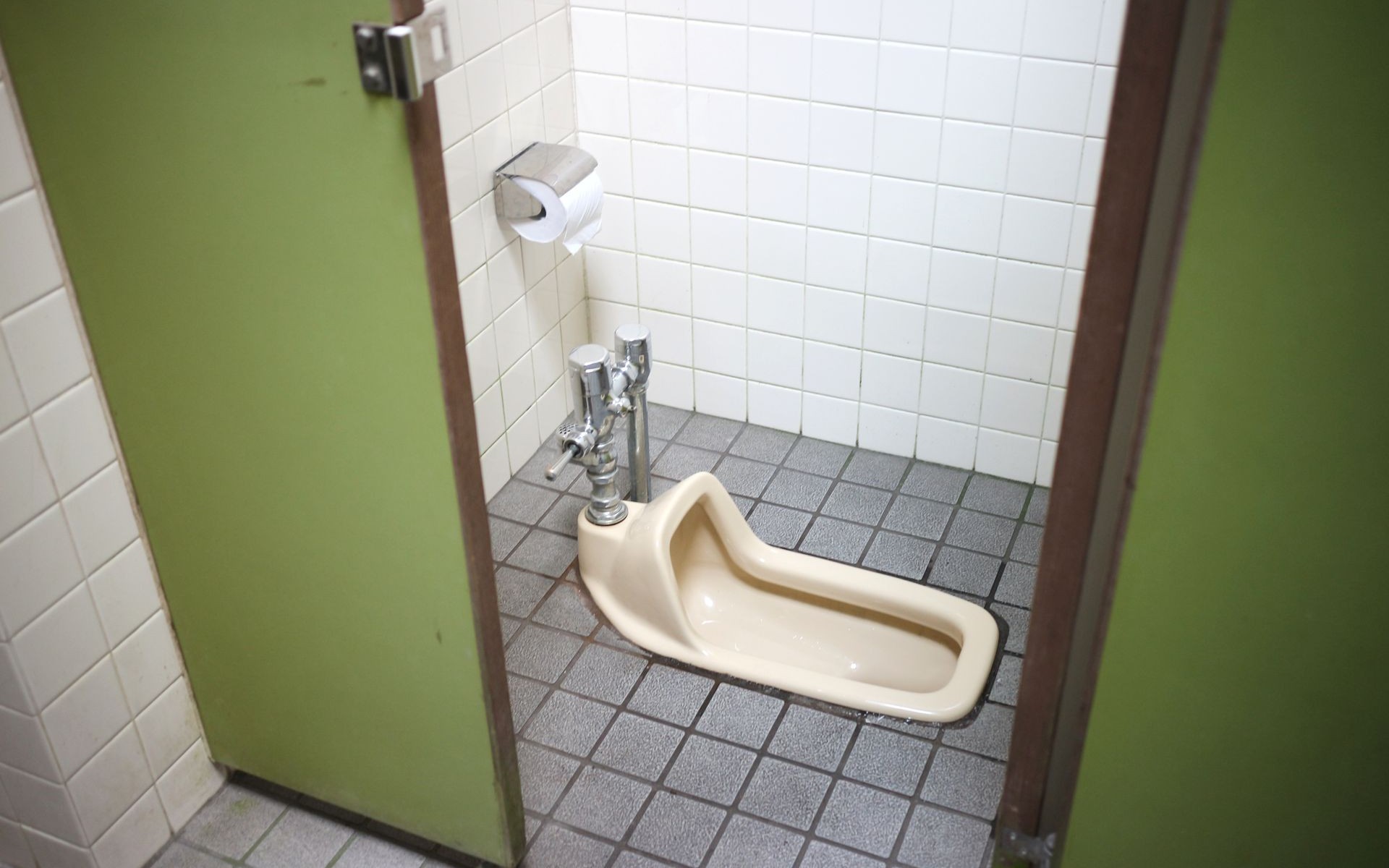
Squat Toilets and Shared Bathrooms: What Homestays Are Really Like
The toilet is the part of a Sapa homestay nobody photographs. Here is what the bathroom is actually like, and the three small things to pack so it never ruins your night.

Booking a Trek Online vs in Town: What Changes
You can book your Sapa trek from home weeks ahead, or walk into an office in Sapa town the day before. Both work. Here is what actually changes with each choice.
Your Luggage While You Trek: Storage Options That Actually Work
You cannot drag a rolling suitcase down muddy terrace steps. Here is where your big bag actually goes while you walk, and what to carry instead.