Winter Trekking in Sapa: Frost, Ice and What to Actually Expect
Winter in Sapa means cold mornings, frost on the stone steps, and bare terraces under low cloud. Snow is rare and never guaranteed. Here is what a December to February trek is actually like, and how to dress for it.
Winter Trekking in Sapa: Frost, Ice and What to Actually Expect
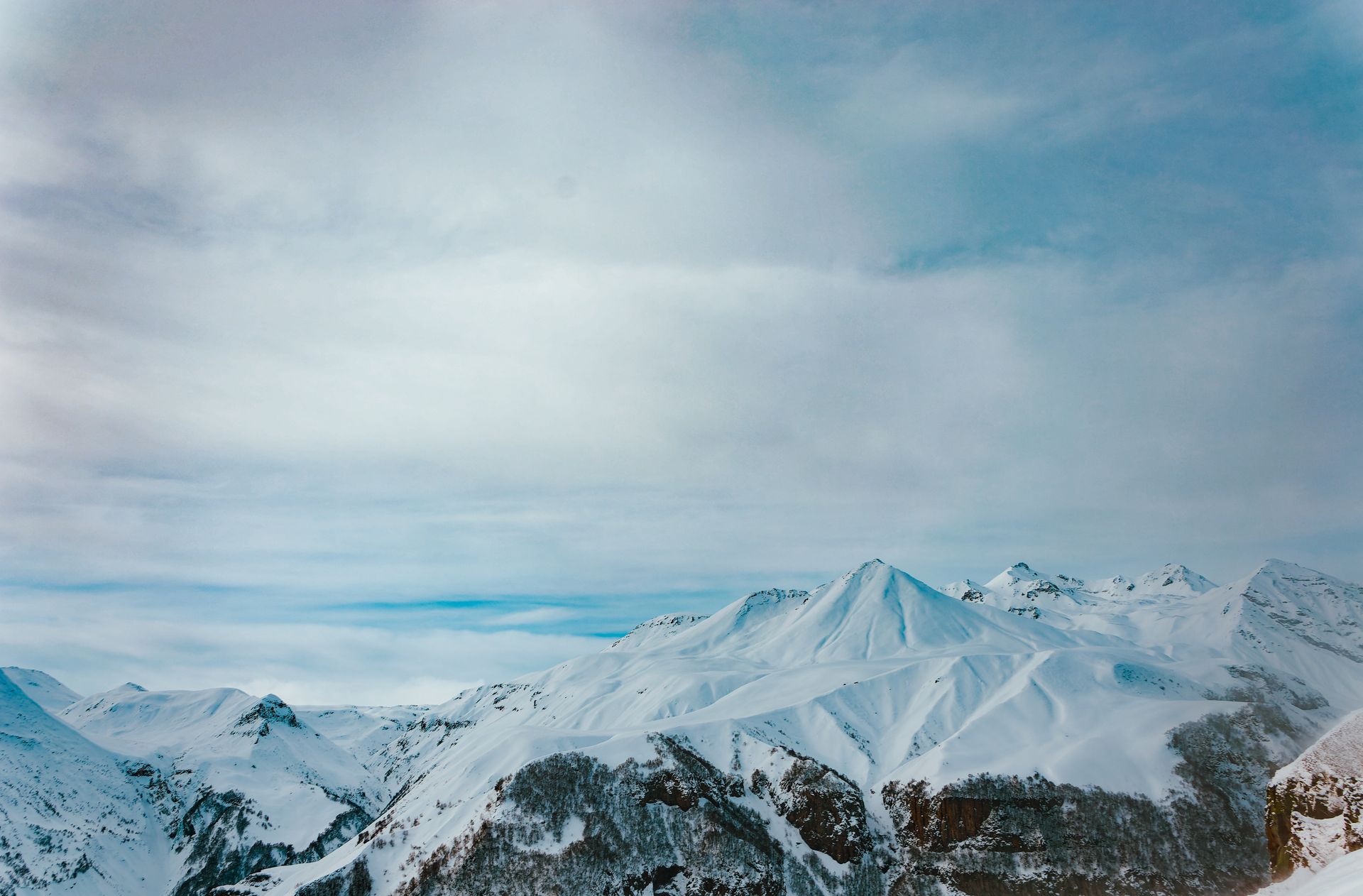
Cover photo: Alexander Fadeev via Pexels, snow-covered mountain peaks under a clear sky. No location stated on the source page.
You step off the night bus in Sapa in January, and the town from the photos is gone. No green terraces, no warm sun. The air bites your face and mist hangs over the valley. Winter trekking here is worth doing only if you dress for the cold you will actually meet.
What winter does to the valley
Winter in Sapa runs from December to February. The town sits around 1,500 metres up, so days run 5 to 15 degrees and nights 0 to 5. Higher up it freezes on cold nights. The rice was cut in September and October, so the terraces are bare earth or shallow water.
Mist is the other constant: low cloud settles most mornings and often stays. After a cold night, frost coats the grass and the stone steps, and the valley looks white until the sun burns it off.
Frost and ice under your feet
Snow gets the attention, but ice is the real hazard on a winter trail. After a cold, clear night, the stone steps and shaded paths glaze over, and the ice is easy to miss because it looks like wet stone.
Test each step, keep your feet flat, and use trekking poles if you have them. Wear gloves: bare hands cannot grip a wet rail or catch you properly when you slip. Tell your guide if a stretch looks iced over. A local guide knows which shaded steps to avoid until the sun reaches them.
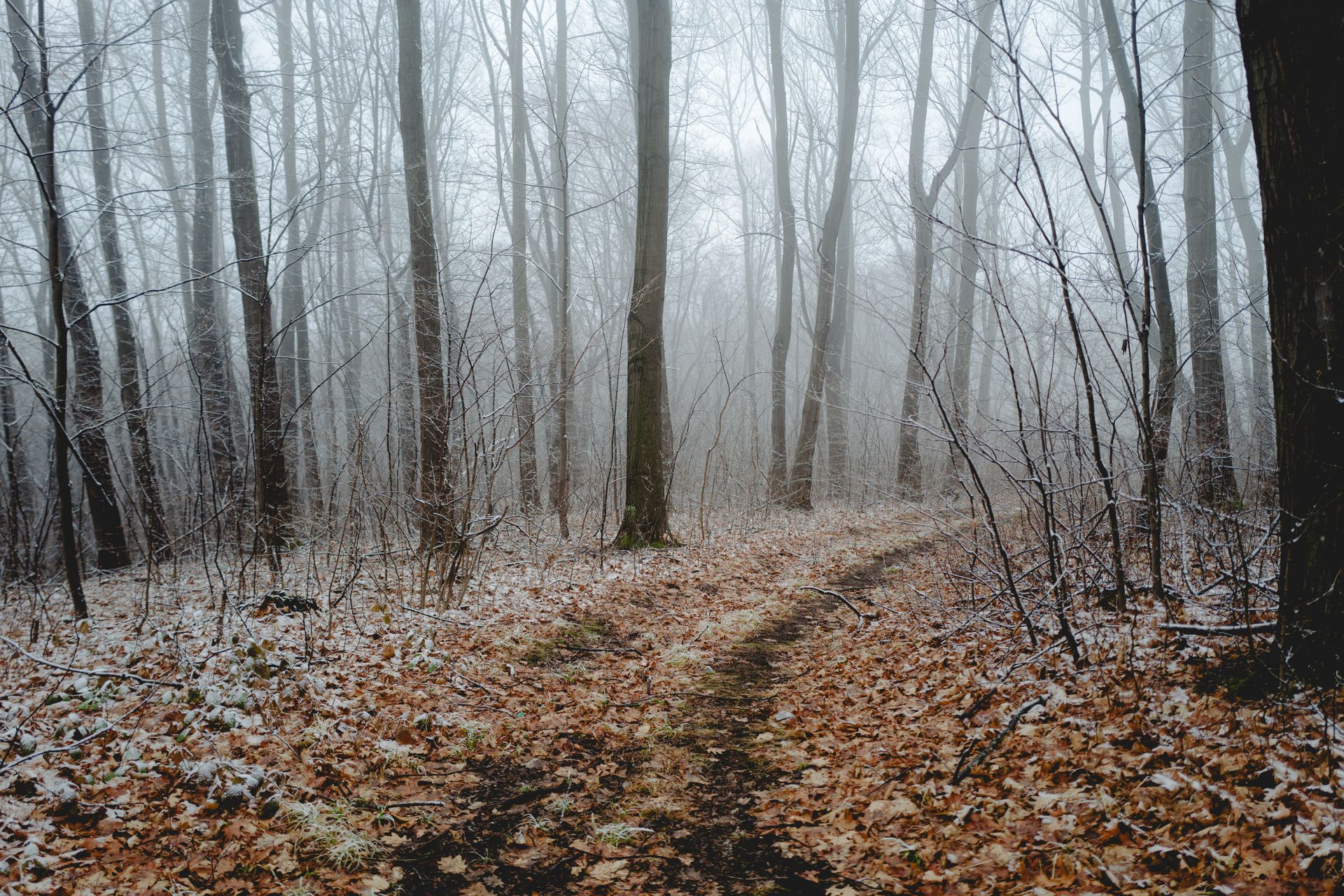
Source: Daniil Ustinov via Pexels, a frost-covered forest path in mist. No location stated on the source page.
Snow: do not plan your trip around it
Snow falls in Sapa, but rarely, and almost never in the valley villages. In most winters it comes a few times, usually between mid-December and mid-January, and it settles on Fansipan, the 3,143-metre peak, and on the high passes like O Quy Ho.
If seeing snow matters, take the cable car up Fansipan on a cold morning after a cold snap, when the summit is most likely white. Do not book a valley trek expecting snow. Plan for frost and fog, treat snow as a bonus, and you will enjoy winter in Sapa.
What to wear for a cold morning start
Dress in layers you can peel off: a winter day swings from freezing at dawn to mild by midday. Start with a thermal base layer and a fleece, and carry a windproof jacket for the ridges. Pack a warm hat, gloves, and a spare pair of socks. Wear waterproof boots with a real grip, not trainers: wet stone steps and muddy paths are slippery enough without ice.
Winter is the one season when a later start can be the better choice. The coldest, iciest hour is just after dawn, before the sun clears the ridge. Wait until you can see where you are putting your feet.
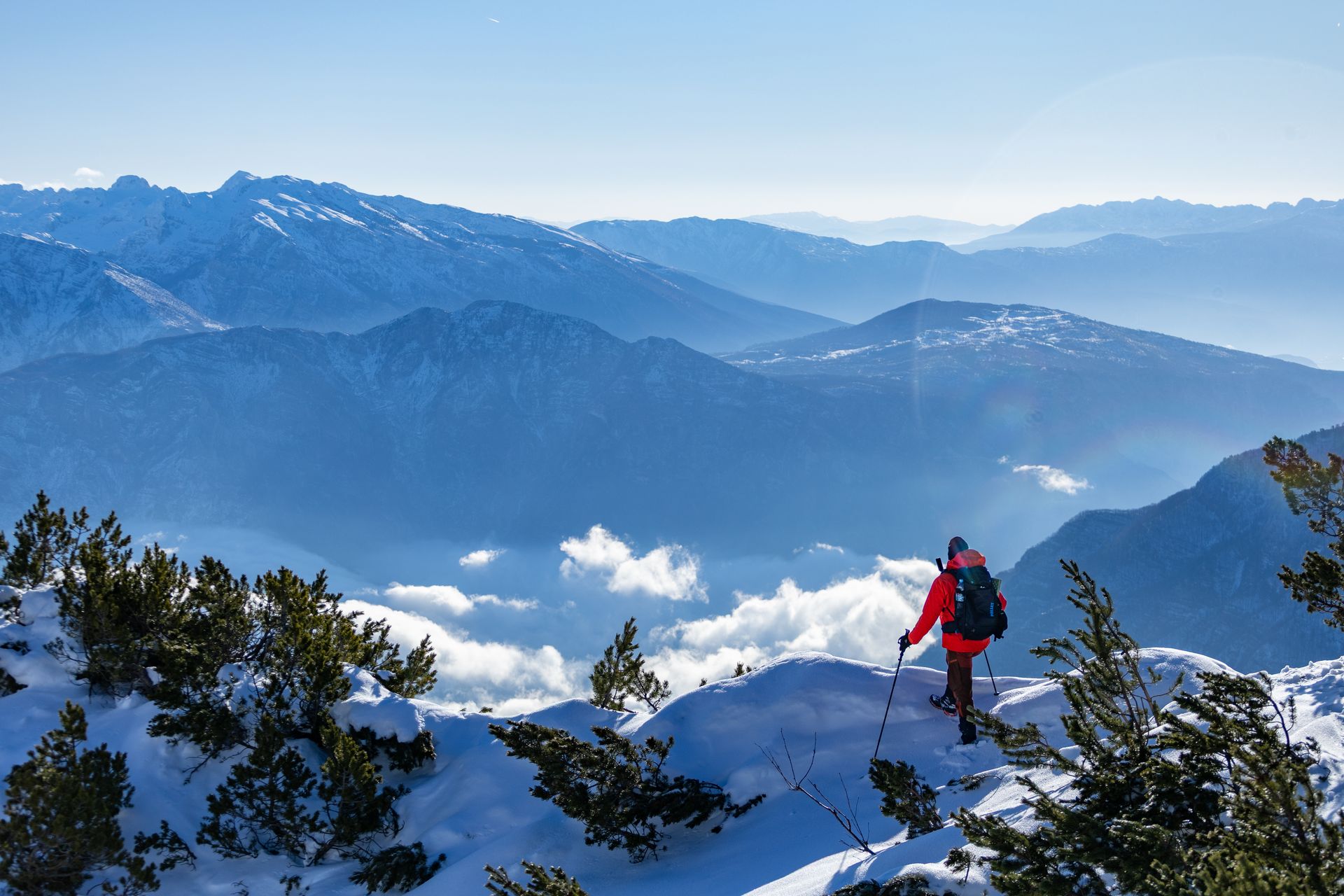
Source: Amel Uzunovic via Pexels, a trekker on a snowy mountain ridge. No location stated on the source page.
Cold nights in the village
The cold follows you indoors. Village homestays have no heating, and a winter night in Ta Van can be colder inside than you expect. Sleep in your thermal layer and ask your host about hot water and extra blankets. A hot meal and an early night taste better after a cold day out.
Your next step
Respect the cold: layers, grippy boots, gloves, and a guide who knows which paths ice over. Read our Sapa trekking pillar page, and see the classic 1-day Y Linh Ho, Lao Chai, Ta Van trek or the 2-day Ta Van homestay trek. Message Cloud Valley on WhatsApp or Zalo for a quote.
Walk it with us
Every route in these guides ends at Cloud Valley. Sleep where the trail ends, not back in town.
Sapa Trekking Guide · 1 Day Valley Trek · 2 Day Homestay Trek
More guides
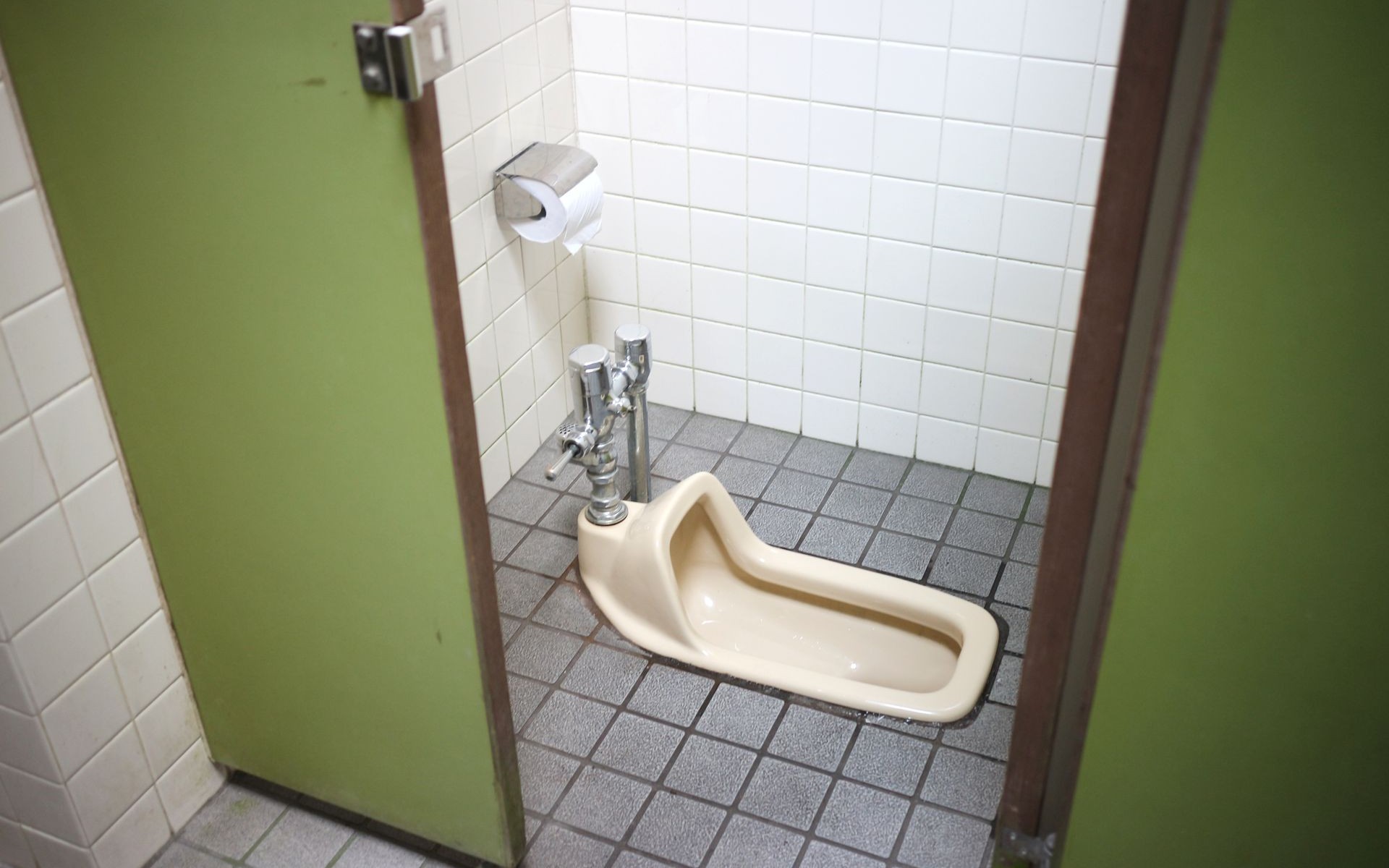
Squat Toilets and Shared Bathrooms: What Homestays Are Really Like
The toilet is the part of a Sapa homestay nobody photographs. Here is what the bathroom is actually like, and the three small things to pack so it never ruins your night.

Booking a Trek Online vs in Town: What Changes
You can book your Sapa trek from home weeks ahead, or walk into an office in Sapa town the day before. Both work. Here is what actually changes with each choice.

Your Luggage While You Trek: Storage Options That Actually Work
You cannot drag a rolling suitcase down muddy terrace steps. Here is where your big bag actually goes while you walk, and what to carry instead.