Trekking in Harvest Season: What Changes on the Paths in September
In September the Sapa terraces turn gold and the paths change with them. Cut fields, drying rice, threshing on the trail, and busy viewpoints are all part of the walk. Here is what to expect and how to handle it.
Trekking in Harvest Season: What Changes on the Paths in September
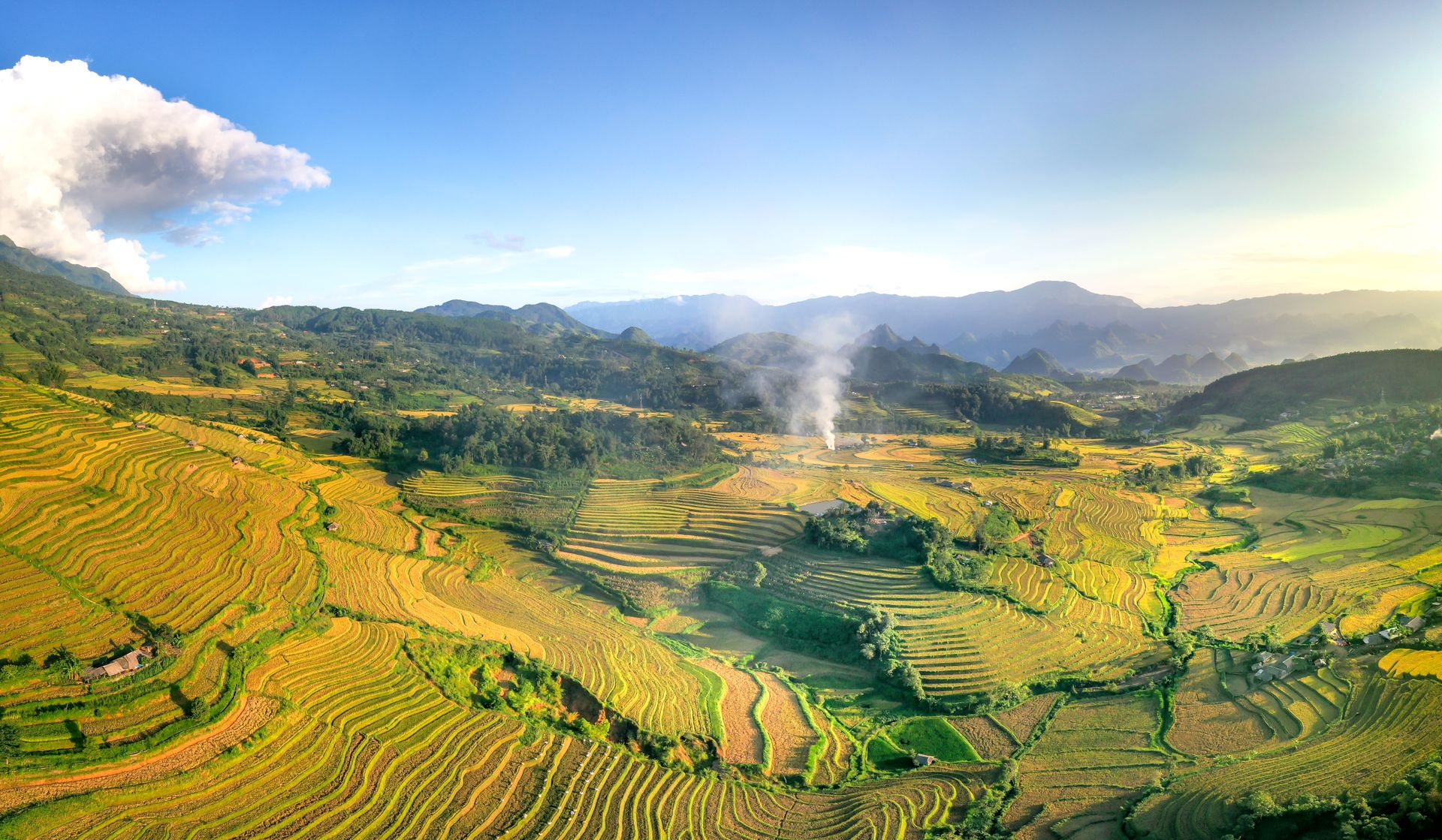
Cover photo: Quang Nguyen Vinh via Pexels, golden rice terraces in Vietnam.
You booked a September trek expecting the green terraces from the photos, and the valley you walk into is gold. That is the first change, and it is the easy one. The harder changes are under your feet. In harvest season the paths become part of the farm work.
September is when the rice ripens in the Muong Hoa valley, and it does not happen everywhere at once. Fields on the higher slopes ripen first, and the gold moves downhill over three or four weeks, roughly from mid-September into early October. One side of a valley can be cut and bare while the other side is still standing gold. Your guide will know which fields are being cut today, because a field that was gold yesterday can be stubble by morning.
The path becomes a workplace
A terrace path in September is not only a walking route. It is where the harvest happens. Farmers cut the rice by hand with sickles, tie it into bundles, and carry the bundles out along the same narrow paths you walk on. Bundles are often laid out on flat stretches of path to dry, and threshing, beating the grain off the stalks, sometimes happens right beside the path, where the ground is flat and hard.
None of this is a problem if you expect it. Step onto a dry terrace edge when a carrier comes through with a load on their back, and wait rather than squeezing past. Do not walk through standing rice to get around a drying bundle, and do not pick one up to move it. The rice is someone's food for the year, and a trampled patch is a real loss. If a stretch of path is blocked by threshing work, ask your guide for the way around. There is almost always a second path between the same two villages, and a local guide knows which one is clear that day.
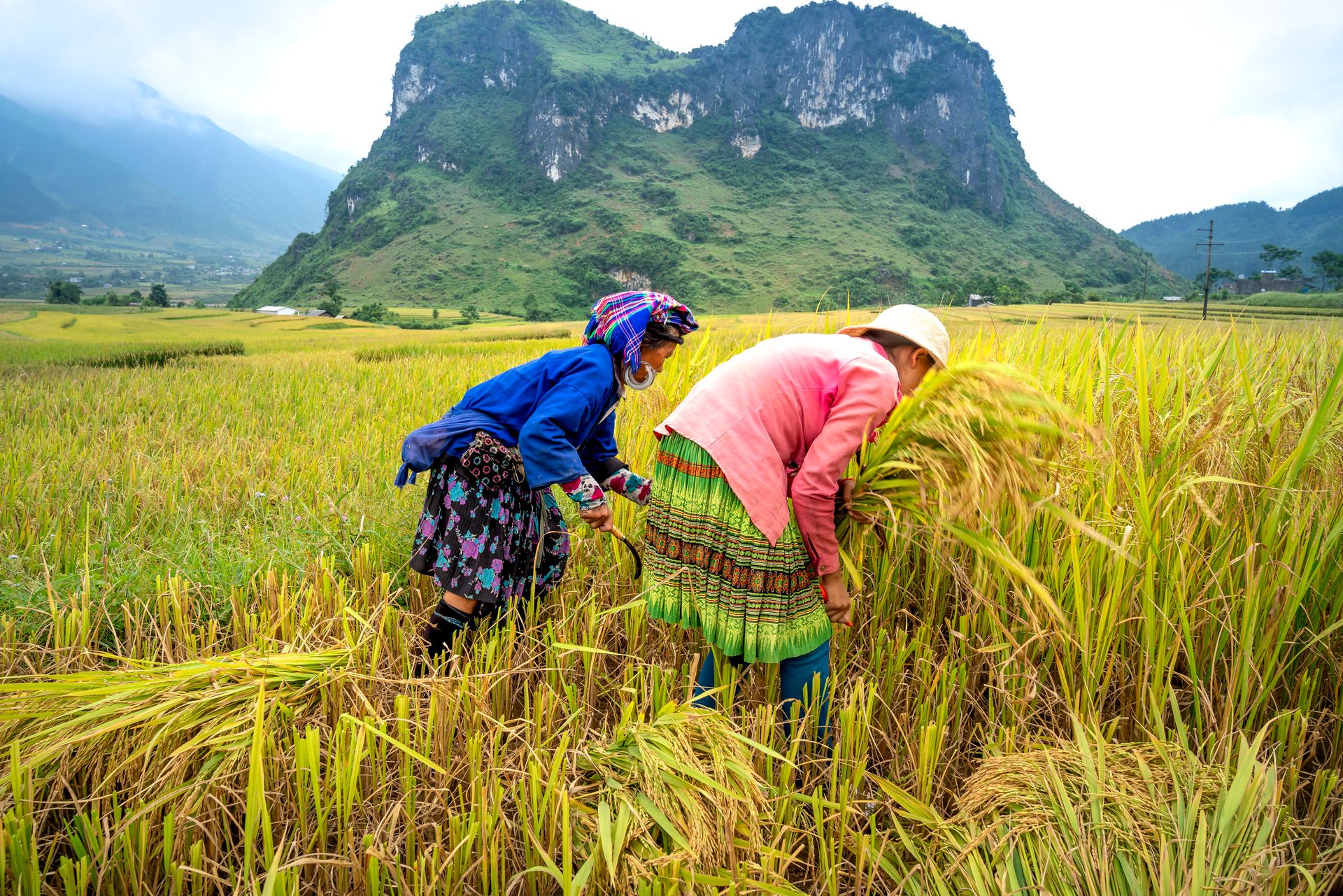
Source: Quang Nguyen Vinh via Pexels, farmers harvesting rice by hand in Vietnam. No specific location claimed on the source page.
The viewpoints get crowded
Harvest season is also the busiest time for photographers, and the famous viewpoints fill early. The terraces above Lao Chai and Ta Van can have a crowd on the same bend of path by seven in the morning. Start at first light and be past the famous viewpoints before the day trippers arrive from town. The light is better then anyway, low and warm across the gold, while midday light flattens everything into glare.
The weather helps. September is drier than the summer months, with cool mornings and clearer skies. Mornings can be chilly before the sun clears the ridge, so carry a layer you can take off by nine.
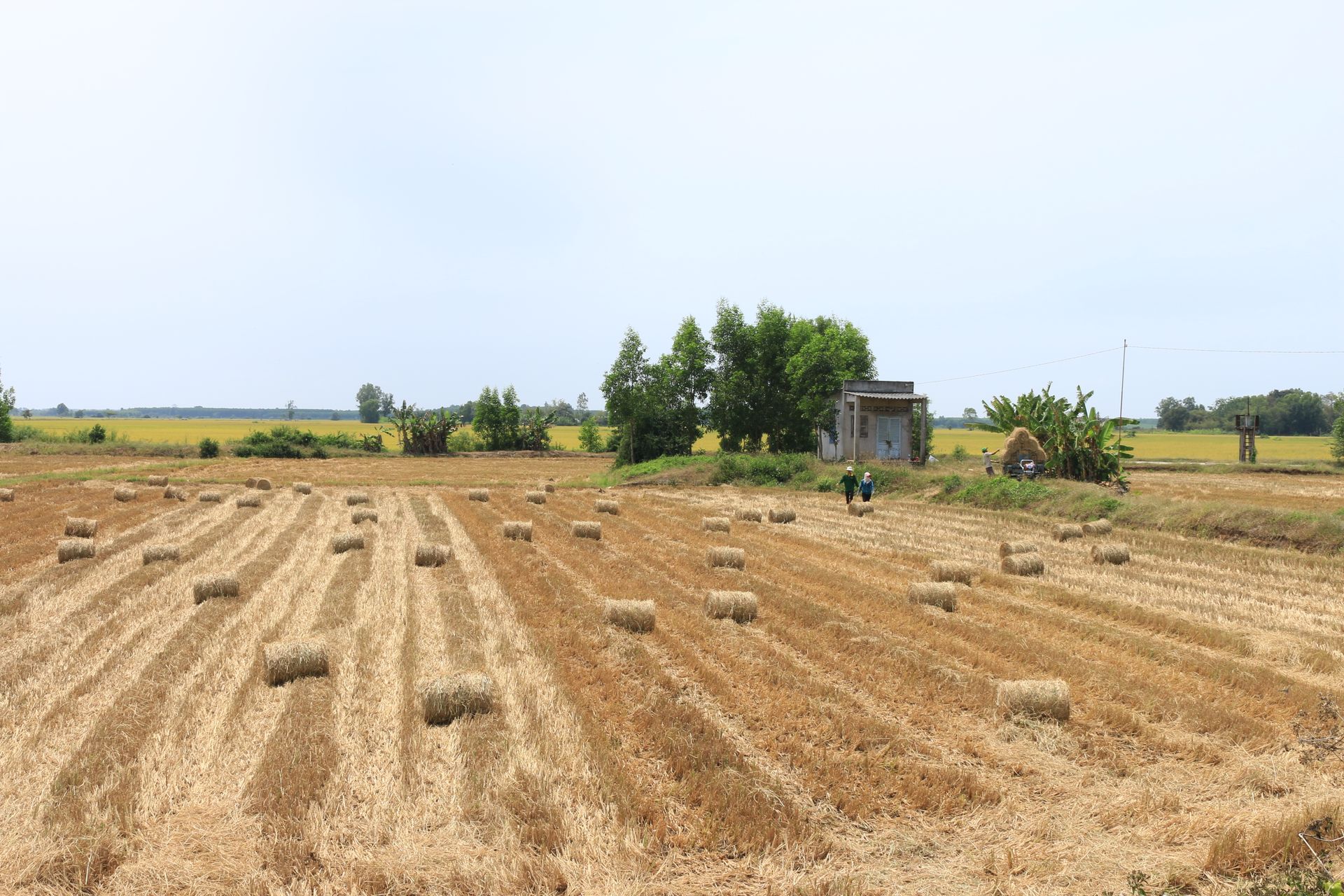
Source: Jolenne Trieu via Pexels, a harvested rice field with hay bales in Vietnam.
What to ask before you start
Ask your guide two questions before you set off. Which fields are being cut today, and is the path you planned still the best one, or does a quieter parallel path avoid the threshing? A good guide answers both without thinking.
Walk with the harvest, not against it. Give the workers room, keep to the path, and accept that the route may bend around the farm work. The gold only lasts a few weeks a year.
Your next step
Harvest season is one of the best times to walk the Muong Hoa valley, with a guide who knows which paths are clear that day. Read our Sapa trekking pillar page, and see the classic 1-day Y Linh Ho, Lao Chai, Ta Van trek or the 2-day Ta Van homestay trek. Message Cloud Valley on WhatsApp or Zalo for a quote.
Walk it with us
Every route in these guides ends at Cloud Valley. Sleep where the trail ends, not back in town.
Sapa Trekking Guide · 1 Day Valley Trek · 2 Day Homestay Trek
More guides

Squat Toilets and Shared Bathrooms: What Homestays Are Really Like
The toilet is the part of a Sapa homestay nobody photographs. Here is what the bathroom is actually like, and the three small things to pack so it never ruins your night.

Booking a Trek Online vs in Town: What Changes
You can book your Sapa trek from home weeks ahead, or walk into an office in Sapa town the day before. Both work. Here is what actually changes with each choice.

Your Luggage While You Trek: Storage Options That Actually Work
You cannot drag a rolling suitcase down muddy terrace steps. Here is where your big bag actually goes while you walk, and what to carry instead.