Leeches, Mud and River Crossings: The Uncomfortable Parts Nobody Warns You About
Sapa trails are wet, muddy, and sometimes crossed by streams, and leeches find bare ankles in the rainy months. Wear long socks, expect mud, and cross streams slowly with your guide.
Leeches, Mud and River Crossings: The Uncomfortable Parts Nobody Warns You About
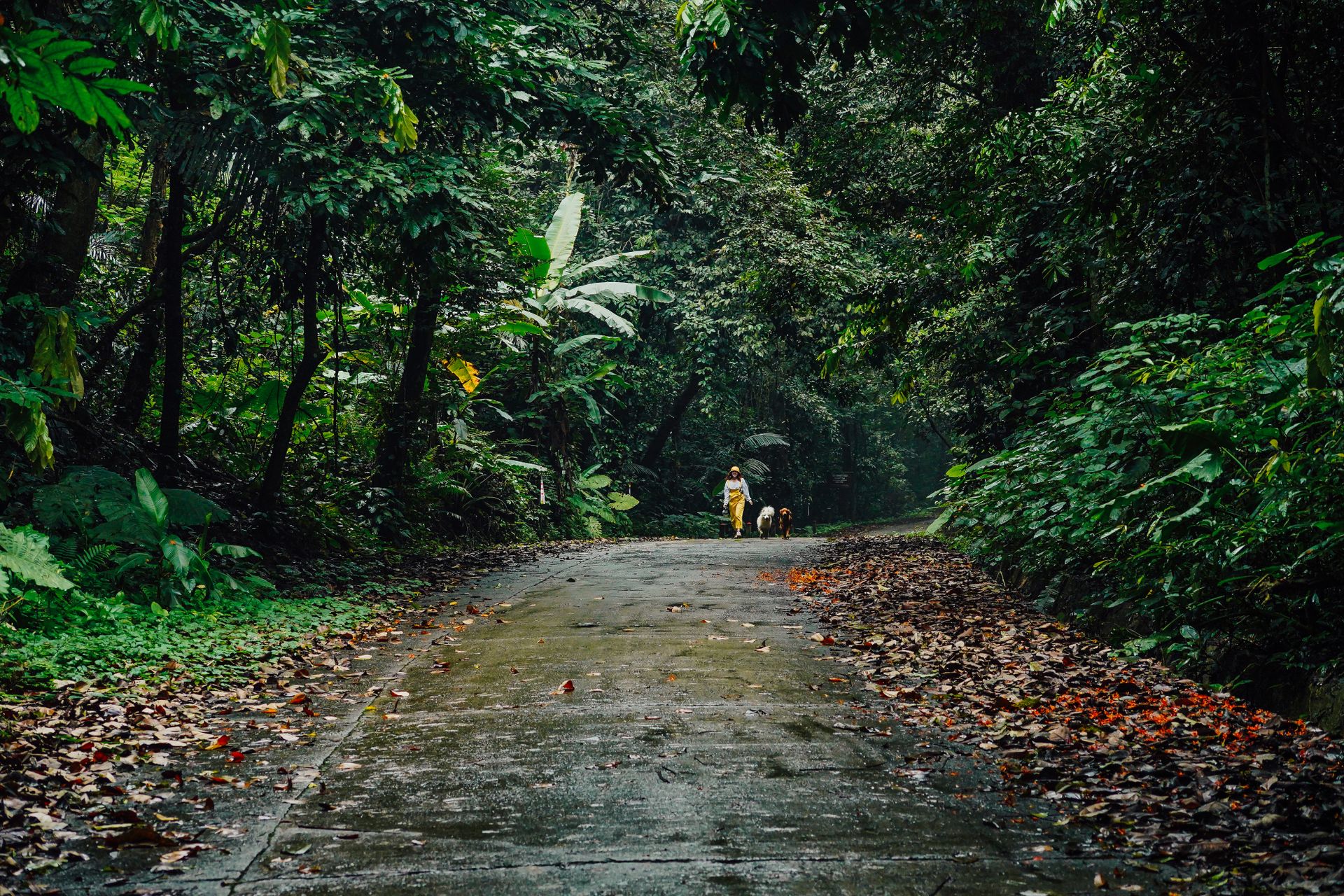
Cover photo: VANNGO Ng via Pexels, a person walking dogs on a wet forest path in Ninh Binh, Vietnam, not Sapa.
You step off a dry road onto a Sapa valley path, and within ten minutes your shoes are caked in mud and something small and dark is heading up your ankle. Nobody warned you about this part. The views are real, but so are the leeches, the mud, and the stream crossings.
Leeches
Leeches live in damp grass and leaf litter, mostly in the wet months. They find bare skin around ankles and calves, and they do not hurt when they attach. Most trekkers notice one only from a small spot of blood on a sock.
Do not panic, and do not pull hard. Your guide will flick it off or use salt, which makes it let go. Wash the spot, cover it with a plaster, and keep walking. The bite itches for a day or two, like a mosquito bite, then fades. Tell your guide if you take blood thinning medicine or if a bite keeps bleeding.
Prevention is simple: long socks, trousers tucked into them on wet paths, and closed shoes, not sandals. Check your ankles at every rest stop.
Mud
Terrace paths turn to thick, slippery clay after rain, and they stay wet long after the rain stops. The worst sections are the steep steps between terraces, where one careless step sends a foot sliding sideways. This is where trainers fail. Smooth soles grip nothing on wet clay.
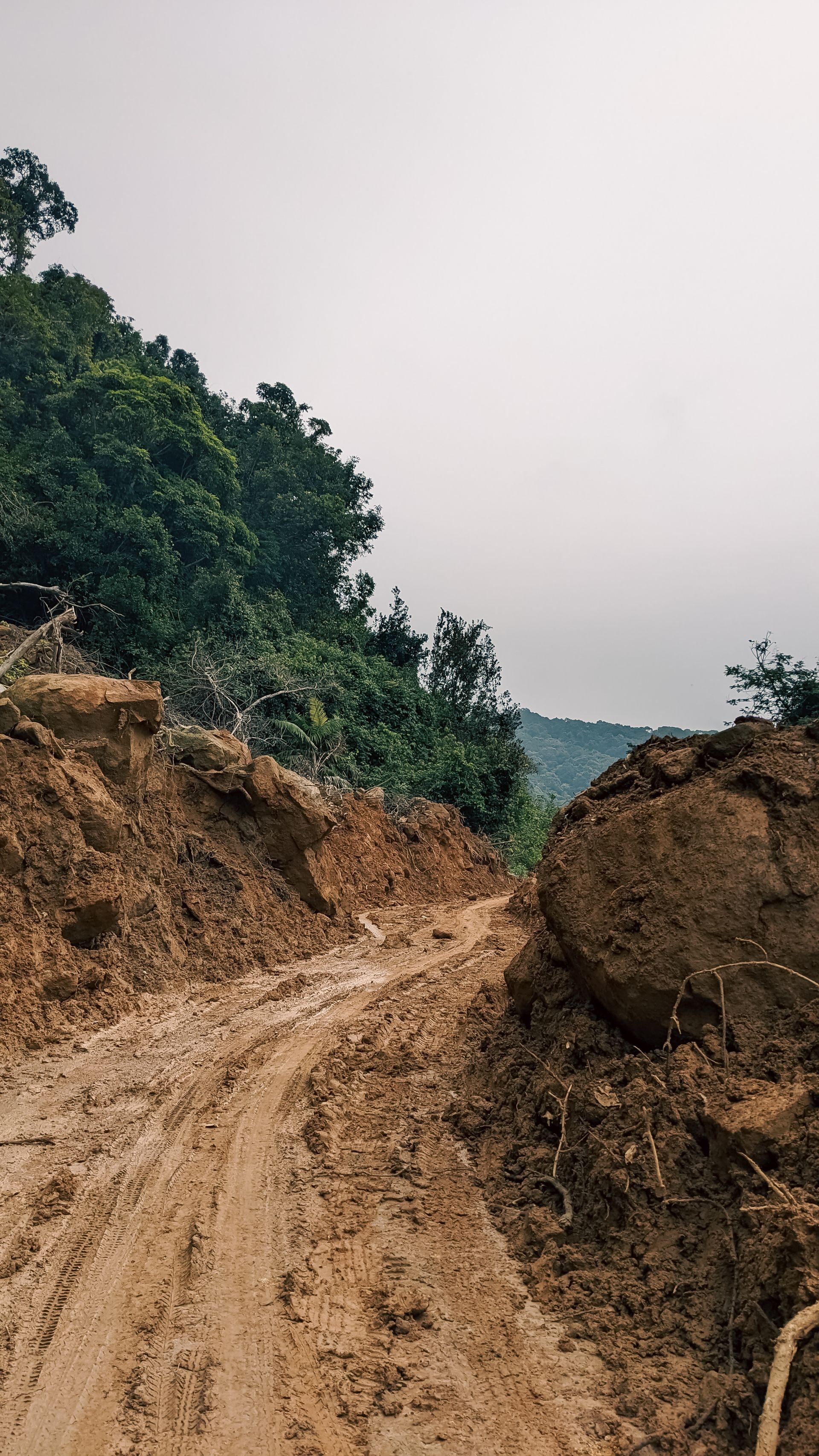
Source: nhavantuonglai via Pexels, a muddy path through lush forest in Da Nang, Vietnam, not Sapa.
Wear shoes with a deep tread, walk flat footed, and take short steps instead of long strides. Use a trekking pole, or accept the stick your guide offers. Slow down on descents, even if the group ahead is moving fast. Most falls on a Sapa trek happen on a downhill mud section when someone is hurrying. Keep a spare pair of socks in your daypack, because walking all day in wet socks is how blisters start.
River crossings
Streams cross many valley routes, and after heavy rain a stream that was ankle deep in the morning can be knee deep by afternoon. Some have a bridge or stepping stones. Some do not, and you wade.
Never cross alone, and never cross a fast, brown, rising stream. That is the moment to stop and ask your guide for another route. For a normal crossing, take your guide's arm, face slightly upstream, and take short, steady steps. Keep your shoes on for grip and protection from sharp stones. Your feet will get wet. That is normal, and it is why the spare socks matter.
What to pack
Long socks, shoes with a deep tread, a bag for wet socks, plasters, and a trekking pole cover almost all of it. You do not need special gear for a normal valley trek. You need covered ankles, grip underfoot, and a guide who has crossed these streams before.
Your next step
Leeches, mud, and river crossings sound worse than they are. They are the price of walking through a working valley in the rain, and every local guide deals with them daily. Go prepared, walk slowly on the wet sections, and let your guide choose the crossing.
Read our Sapa trekking pillar page, and see the classic 1-day Y Linh Ho, Lao Chai, Ta Van trek or the 2-day Ta Van homestay trek. Message Cloud Valley on WhatsApp or Zalo for a quote.
Walk it with us
Every route in these guides ends at Cloud Valley. Sleep where the trail ends, not back in town.
Sapa Trekking Guide · 1 Day Valley Trek · 2 Day Homestay Trek
More guides
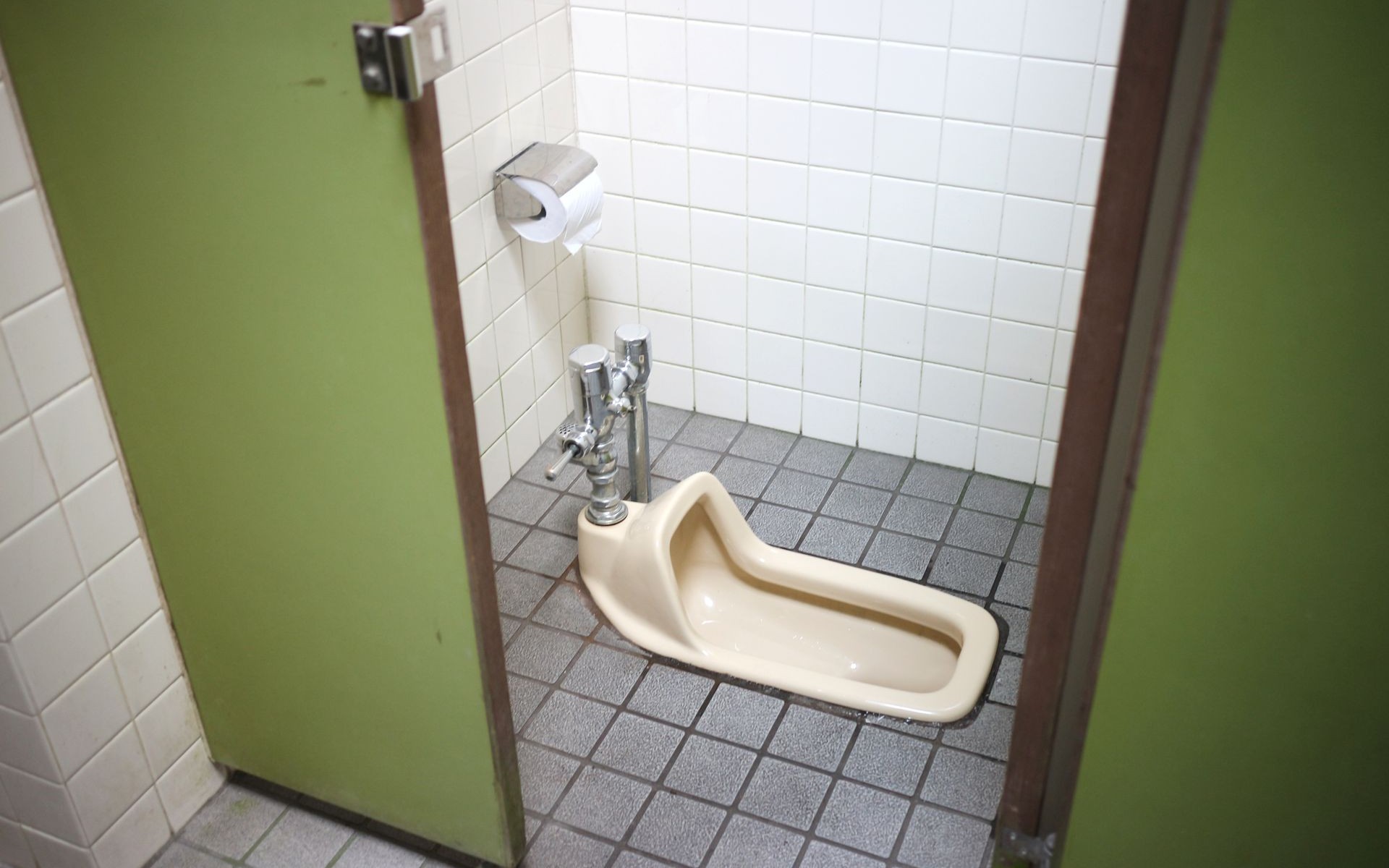
Squat Toilets and Shared Bathrooms: What Homestays Are Really Like
The toilet is the part of a Sapa homestay nobody photographs. Here is what the bathroom is actually like, and the three small things to pack so it never ruins your night.

Booking a Trek Online vs in Town: What Changes
You can book your Sapa trek from home weeks ahead, or walk into an office in Sapa town the day before. Both work. Here is what actually changes with each choice.
Your Luggage While You Trek: Storage Options That Actually Work
You cannot drag a rolling suitcase down muddy terrace steps. Here is where your big bag actually goes while you walk, and what to carry instead.