Trekking in Sapa Without a Guide: Honest Pros, Cons and Rules
You can walk many of Sapa's classic valley trails on your own, but not everywhere, and not every walker should. Here is where going unguided works, where it does not, and the one rule you must not break.
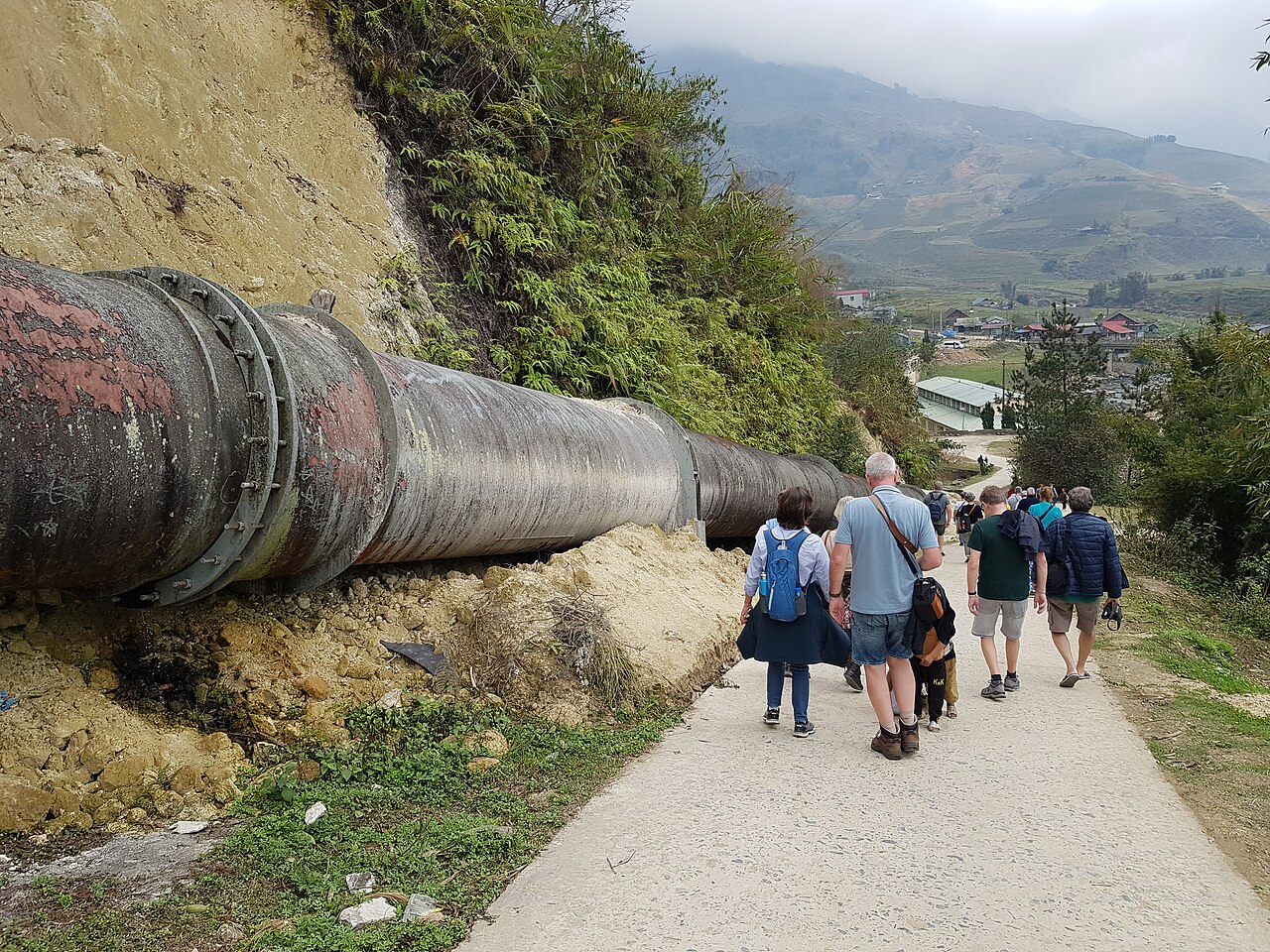
Cover photo: Andre Hospers via Wikimedia Commons, CC BY 4.0.

Trekking in Sapa Without a Guide: Honest Pros, Cons and Rules
The short answer is that it depends on where you walk. Many of the classic valley walks between Sapa town and the villages of the Muong Hoa valley are walked independently every day, on clear paths, by trekkers carrying nothing more than a map on their phone. But independent walking is not the right choice for every route, every walker, or every kind of weather. And there is one hard rule: a trek to the summit of Fansipan requires a guide. You cannot do that climb on your own, and no honest article should suggest otherwise.
So the real question is not whether you can trek in Sapa without a guide. It is whether your route, your experience, and the conditions on the day make going without one a good idea.
Where walking without a guide works
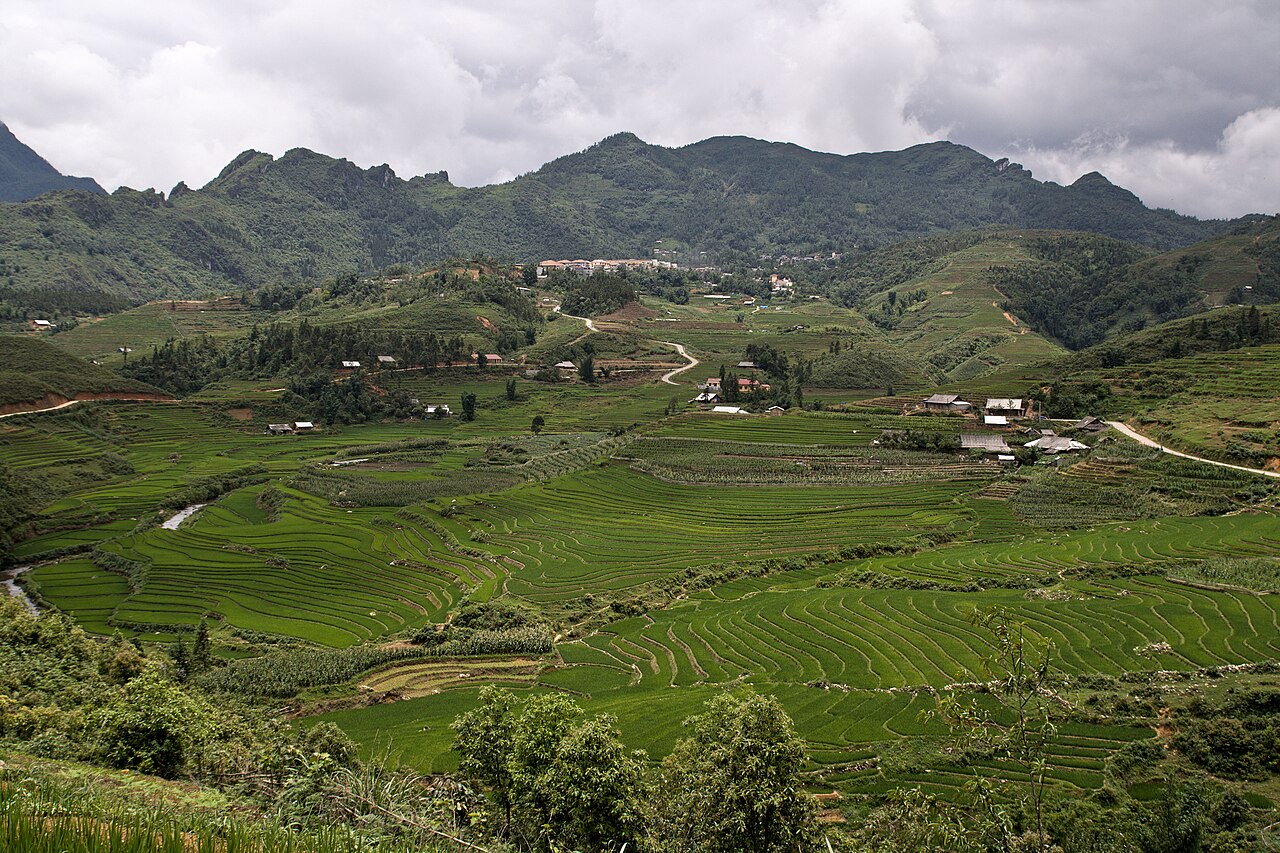
Source: Ekrem Canli via Wikimedia Commons, CC BY-SA 3.0.

The valley trails are the natural home of independent walking. The best known line runs from Sapa town down into the Muong Hoa valley, through Y Linh Ho and Lao Chai, and on to Ta Van. The path is well used, villages sit along the way, and you are rarely far from a road or another walker. Navigation is mostly a matter of following the valley downhill and checking your position at each village.
This kind of walk suits a confident walker who is happy with a full day on foot and uneven ground. You set your own pace, stop for as long as you like at a viewpoint, and change your plan at lunch if the weather turns. For many trekkers, that freedom is the whole point. There is no group timetable and no pressure to keep walking when your legs ask for a break.
Where a guide earns their place
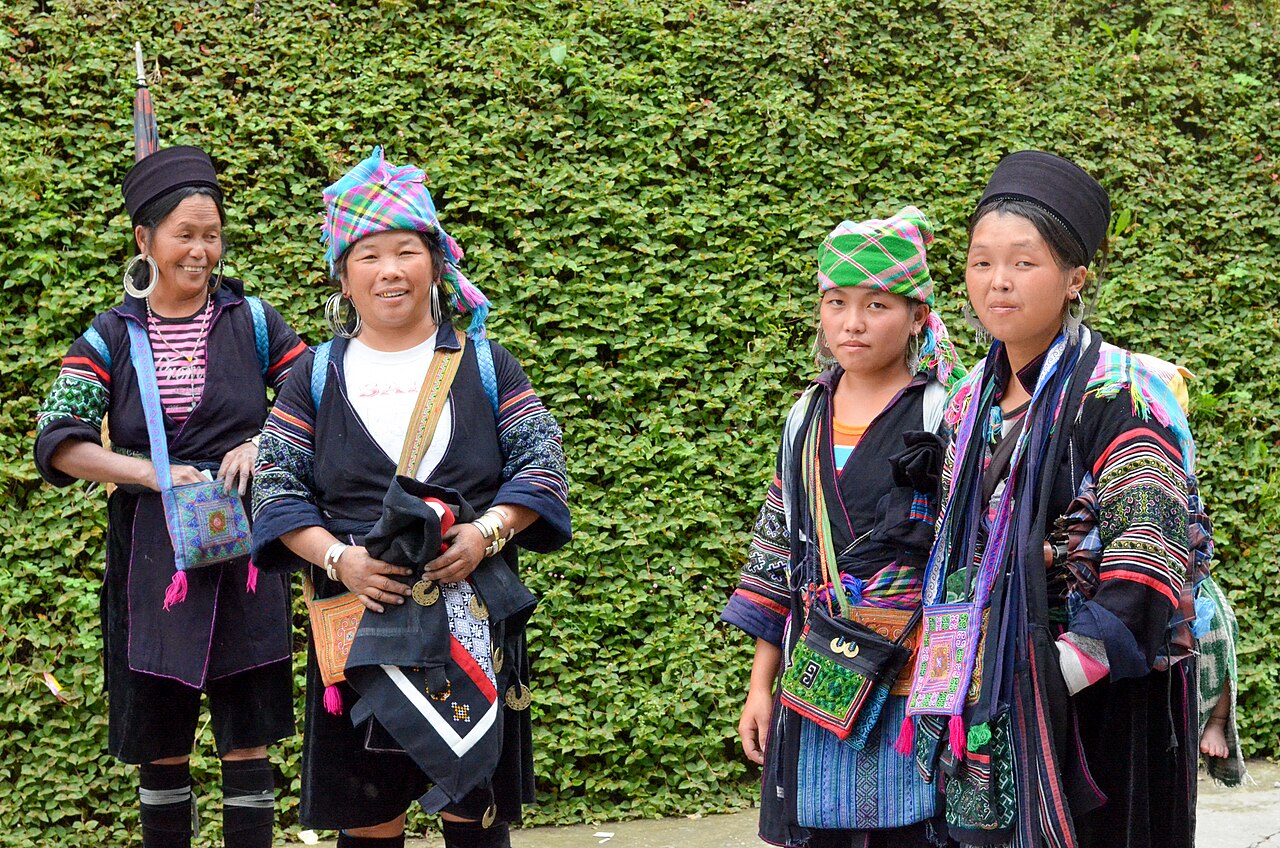
Source: Peter Olshevsky via Wikimedia Commons, CC BY-SA 4.0.

A guide is not just a person who knows the way. On a Sapa trek, a local guide reads the weather on the hillside, knows which path turns to deep mud after rain, and knows which short cut is a farmer's field and not a public trail. They also do something no map can do: they open doors. A guide from a village on the route can introduce you to a family, explain what is growing in a field, and translate a conversation that would otherwise stay a smile and a wave.
That matters most in three situations. First, when the weather is bad. Rain turns Sapa's earth paths slippery fast, fog can hide a junction, and a stream crossing that was easy in the morning can look very different in the afternoon. Second, when you want to go beyond the main valley line, onto quieter paths where signposts thin out and a wrong turn costs real time. Third, when you want the walk to be about people, not just scenery.
A guide is also the safer choice if you are walking with children, if anyone in your group has a knee~ or ankle that might complain, or if you have never walked a full day on rough ground before. It is simply matching the support to the walker.
The rules, stated plainly
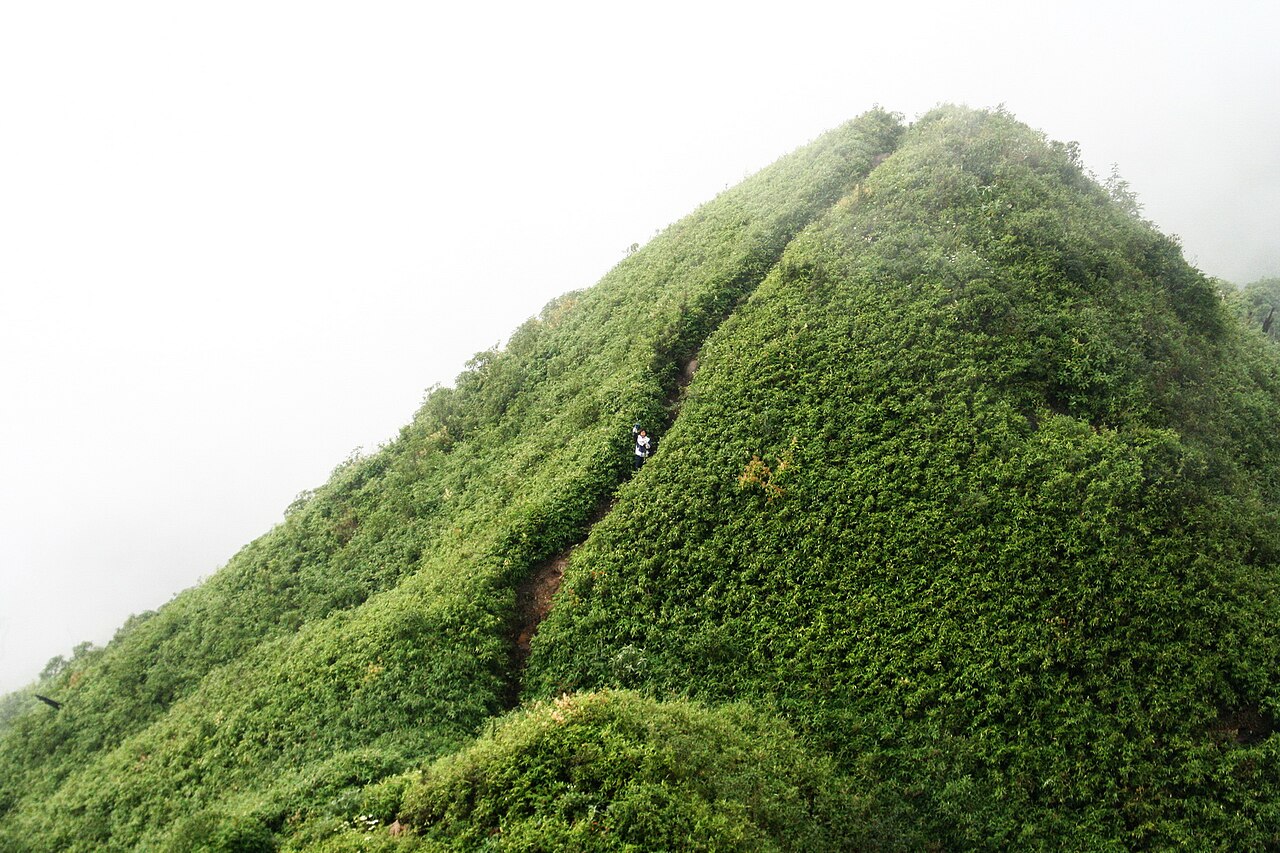
Source: Thai Nhi via Wikimedia Commons, CC0.

Fansipan first, because it is the one rule with no grey area. Fansipan, the highest peak in Indochina, is a serious mountain trek through forest and steep ground, and it requires a guide. Do not plan an independent summit attempt, and be wary of anyone who offers to help you bend this rule. If Fansipan is on your list, book a guided climb and treat it as a separate trip from your valley walking.
For the valley trails, the rules are mostly about respect and common sense rather than permits. Stay on the paths. Terraces are farmland, not viewpoints, and stepping onto a planted terrace damages a family's crop. Ask before photographing people at close range, and accept a no with good grace. Carry out everything you carry in, including tissues and snack wrappers. If a path crosses a village, keep your voice down near homes and schools, and dress in a way that is comfortable for walking but respectful in a village setting.
Weather is a rule of its own. Check the forecast before you leave Sapa town, and be ready to change your plan. If fog sits thick on the valley, if rain has fallen all night, or if you are unsure about a river crossing, turn back or take the road instead. A shortened walk beats a miserable or risky one every time.
Finally, tell someone your plan. If you are walking without a guide, make sure your homestay or hotel knows your route and roughly when you expect to arrive. It costs one minute at breakfast, and it is the single most useful safety step an independent walker can take.
What to carry if you go without a guide
Going unguided does not mean going unprepared. Download an offline map before you leave town, because mobile signal is patchy in parts of the valley. Carry more water than you think you need, plus snacks, sun protection, and a rain layer, even if the morning looks fine. Wear shoes with real grip, because wet stone and mud cause most slips. A small first aid kit, a charged phone, and a power bank complete the list.
Just as important is knowing your exit points. Before you set out, note where the road meets the trail at Y Linh Ho, Lao Chai, and Ta Van. If you tire, if the weather turns, or if a path looks wrong, you want to know the nearest place where you can get a vehicle, not discover it by accident.
So, should you go without a guide?
Walk the classic valley route on your own if you are a confident walker, the weather is settled, and you are happy navigating with an offline map and your own judgment. You will get the freedom, the pace, and the quiet that make Sapa walking special.
Take a guide if you want to go further than the main valley line, if the weather is doubtful, if you are walking with children or anyone less steady on rough ground, or if the people and culture of the valley matter as much to you as the views. And whatever else you plan, remember that Fansipan requires a guide, full stop.
Either way, the valley rewards the walker who plans honestly. Choose the support that fits your route and your experience, respect the fields and villages you walk through, and let the walk be as long, or as short, as the day allows.
Your next step
If you want to walk the valley independently, start with the route itself. Read our Sapa trekking pillar page for the full picture of the valley routes, then look at the classic 1-day Y Linh Ho, Lao Chai, Ta Van trek to see the same valley line walked with a guide, so you can compare the two ways of doing it. If you would rather talk it through first, message Cloud Valley on WhatsApp for a per-group quote and advice on which option fits your day.
Walk it with us
Every route in these guides ends at Cloud Valley. Sleep where the trail ends, not back in town.
Sapa Trekking Guide · 1 Day Valley Trek · 2 Day Homestay Trek
More guides

Squat Toilets and Shared Bathrooms: What Homestays Are Really Like
The toilet is the part of a Sapa homestay nobody photographs. Here is what the bathroom is actually like, and the three small things to pack so it never ruins your night.

Booking a Trek Online vs in Town: What Changes
You can book your Sapa trek from home weeks ahead, or walk into an office in Sapa town the day before. Both work. Here is what actually changes with each choice.

Your Luggage While You Trek: Storage Options That Actually Work
You cannot drag a rolling suitcase down muddy terrace steps. Here is where your big bag actually goes while you walk, and what to carry instead.