River Crossings Without Bridges: How to Cross Safely
Sapa valley paths cross streams with no bridge in sight. Here is how to judge the water, cross on foot, and know when to turn back.
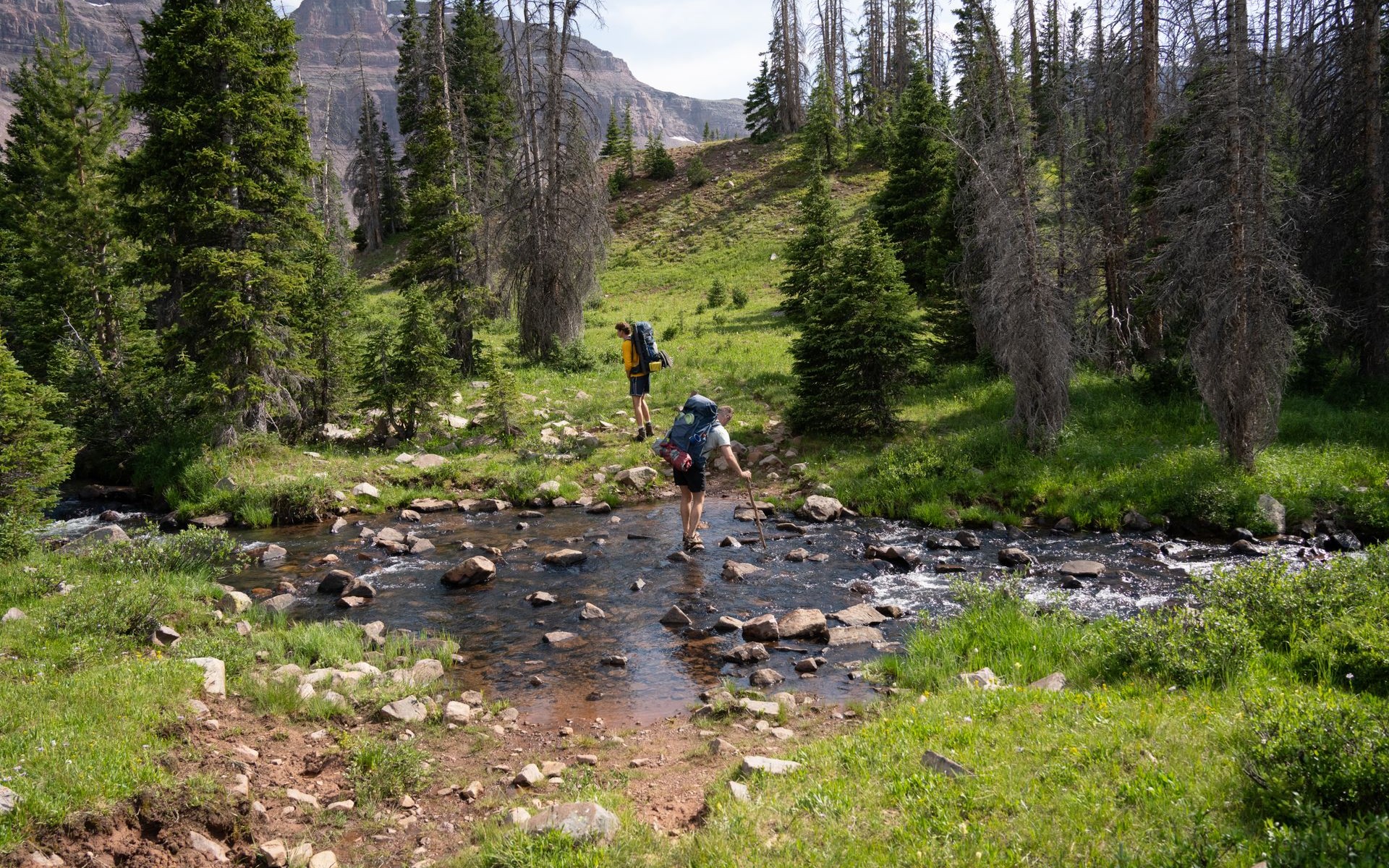
You are halfway down into the valley when the path ends at a stream. There is no bridge, no rope, no sign. A few stones poke out of the water, and the water is running fast enough that you can hear it over your own breathing. Your guide steps in without hesitating. You stop at the bank and wonder whether to follow.
This is normal on a Sapa trek. The valley paths cross the Muong Hoa river and its side streams in several places, and most of those crossings are just stones, a plank, or a shallow ford. After rain the water rises and the stones disappear.
Read the water before you step in
Stand on the bank and look first. Clear water where you can see the bottom is usually shallow enough to cross. Brown, muddy water means the stream is carrying soil from upstream, and it is deeper and stronger than it looks.
Watch how fast it moves. Water that runs faster than a brisk walking pace can knock you off balance once it reaches your knees. If the current pushes small stones along the bed, it is too strong to cross on foot.
Check the far bank before you commit. You need a place to climb out that is not a steep muddy slope. If the exit looks worse than the entry, walk a hundred metres upstream or downstream to find a wider, shallower stretch.
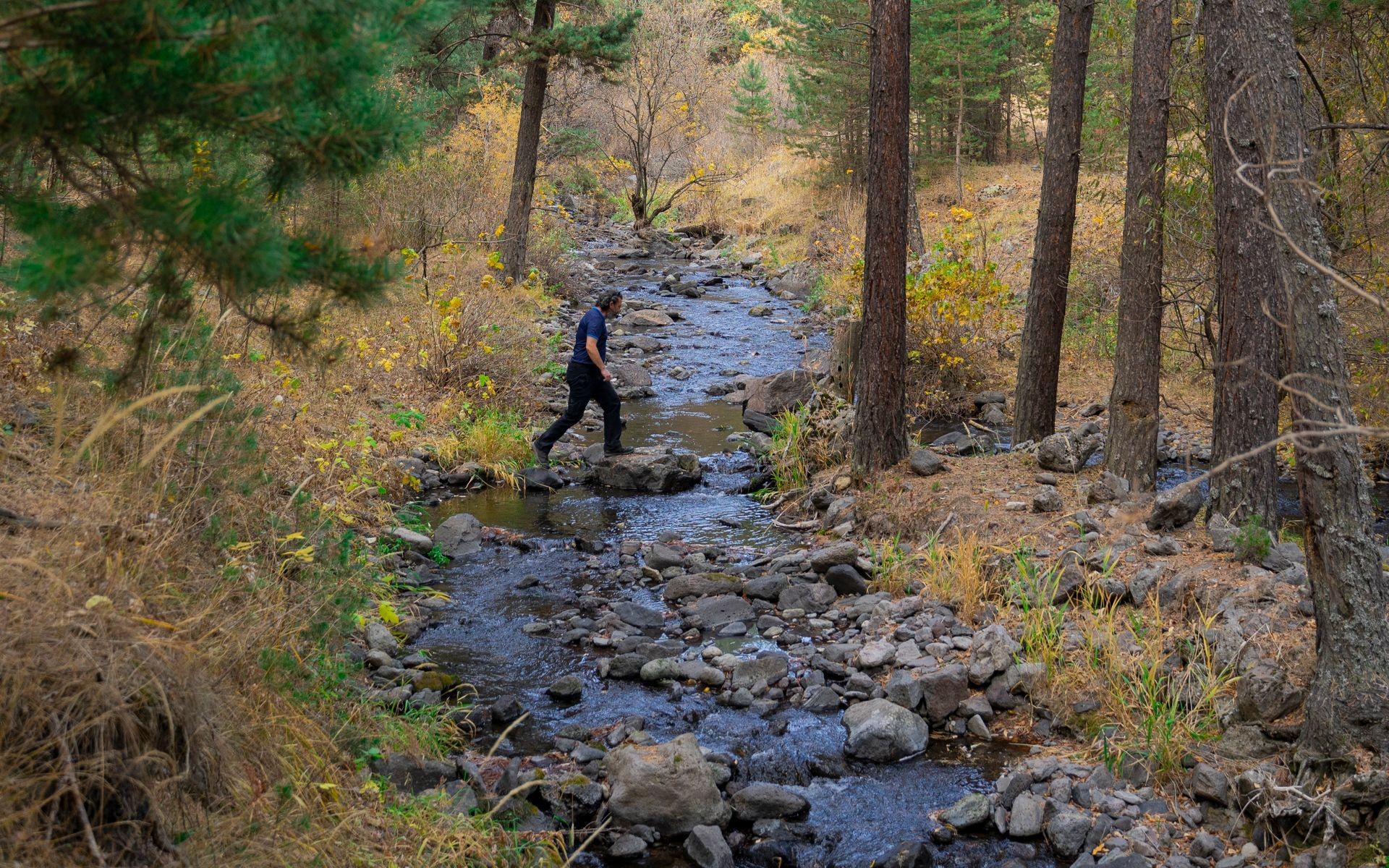
Source: Selim Özgün via Pexels. A hiker stepping across a rocky forest stream, shown as an illustration of a stone crossing. No location is claimed for this photo.
How to cross on foot
Unbuckle your backpack waist strap and chest strap first, so you can drop the pack fast if you fall in. A strapped-on pack can drag you under in strong water.
Keep your shoes on if the stones are sharp or slippery, unless your guide tells you to take them off. Wet shoes dry. Cut feet do not. If the crossing is shallow and sandy, wading barefoot is fine, but watch for sharp rocks. Sandals with a heel strap work well, and many guides carry a pair for stream days.
Use a trekking pole, a stick, or your guide's hand. Face upstream, lean into the current, and move one foot at a time, feeling for a solid stone before you shift your weight. Shuffle sideways rather than stepping high, and never jump from stone to stone when the stones are wet.
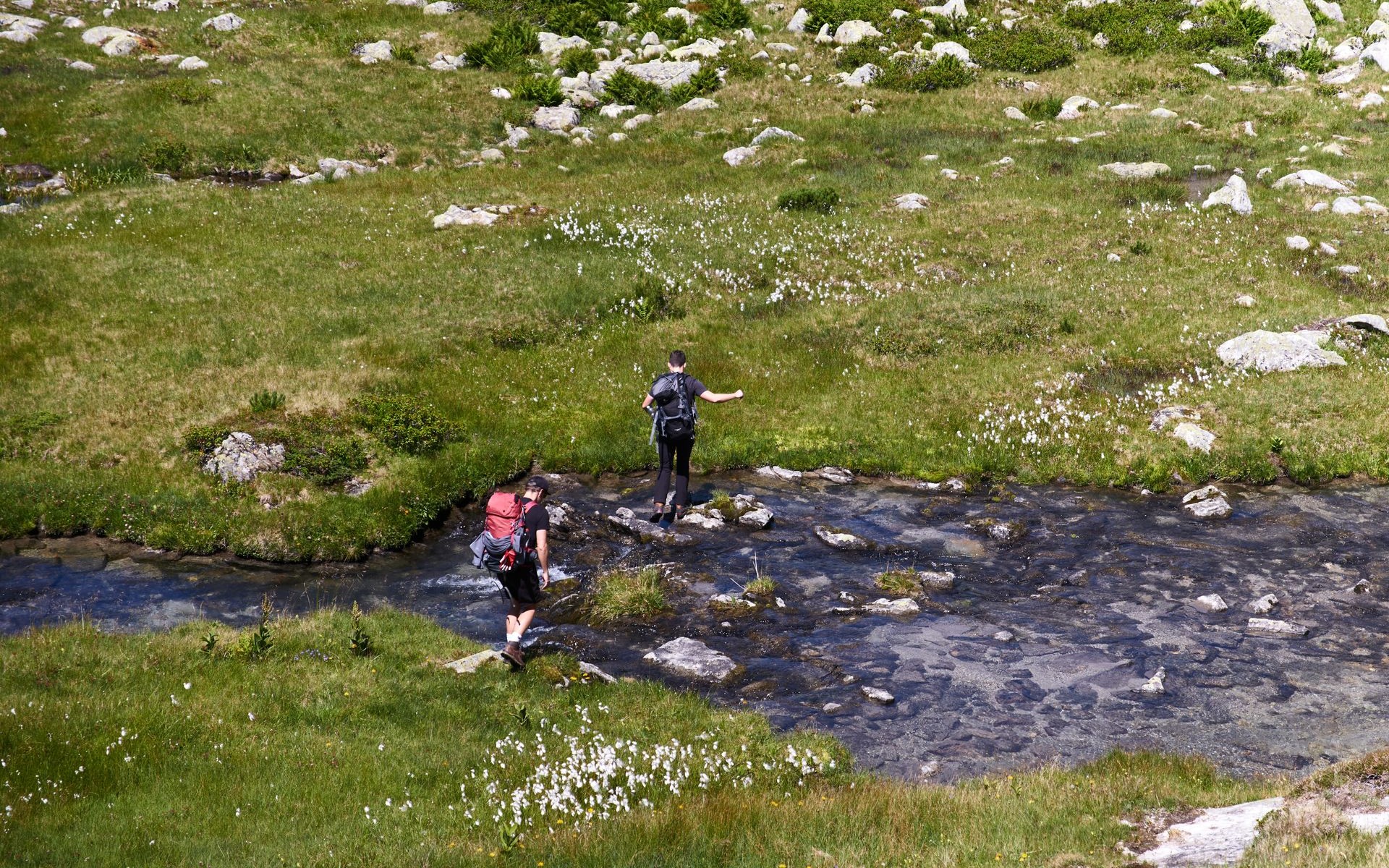
Source: Nils Rotura via Pexels. Two hikers crossing a clear stream in Mittersill, Austria, shown as an illustration of a shallow crossing, not Sapa.
When to turn back
Some crossings are not worth it. Do not cross if the water reaches above your knees and is moving fast, if the stream is brown and rising after rain, or if you cannot see the bottom at all. Do not cross at night, and do not cross alone.
If your guide says the stream is too high, believe them. They cross these streams every week and they know what the water does an hour after a storm upstream. A detour costs an hour. A bad crossing costs the whole trip.
Read the water, cross slowly, and turn back when the water says no.
The Y Linh Ho, Lao Chai and Ta Van trek crosses the valley streams with a local guide who knows every ford, and the 2 day Ta Van homestay trek gives you two days to take the crossings slowly. Read the full Sapa trekking guide, then message the house on WhatsApp or Zalo.
Walk it with us
Every route in these guides ends at Cloud Valley. Sleep where the trail ends, not back in town.
Sapa Trekking Guide · 1 Day Valley Trek · 2 Day Homestay Trek
More guides
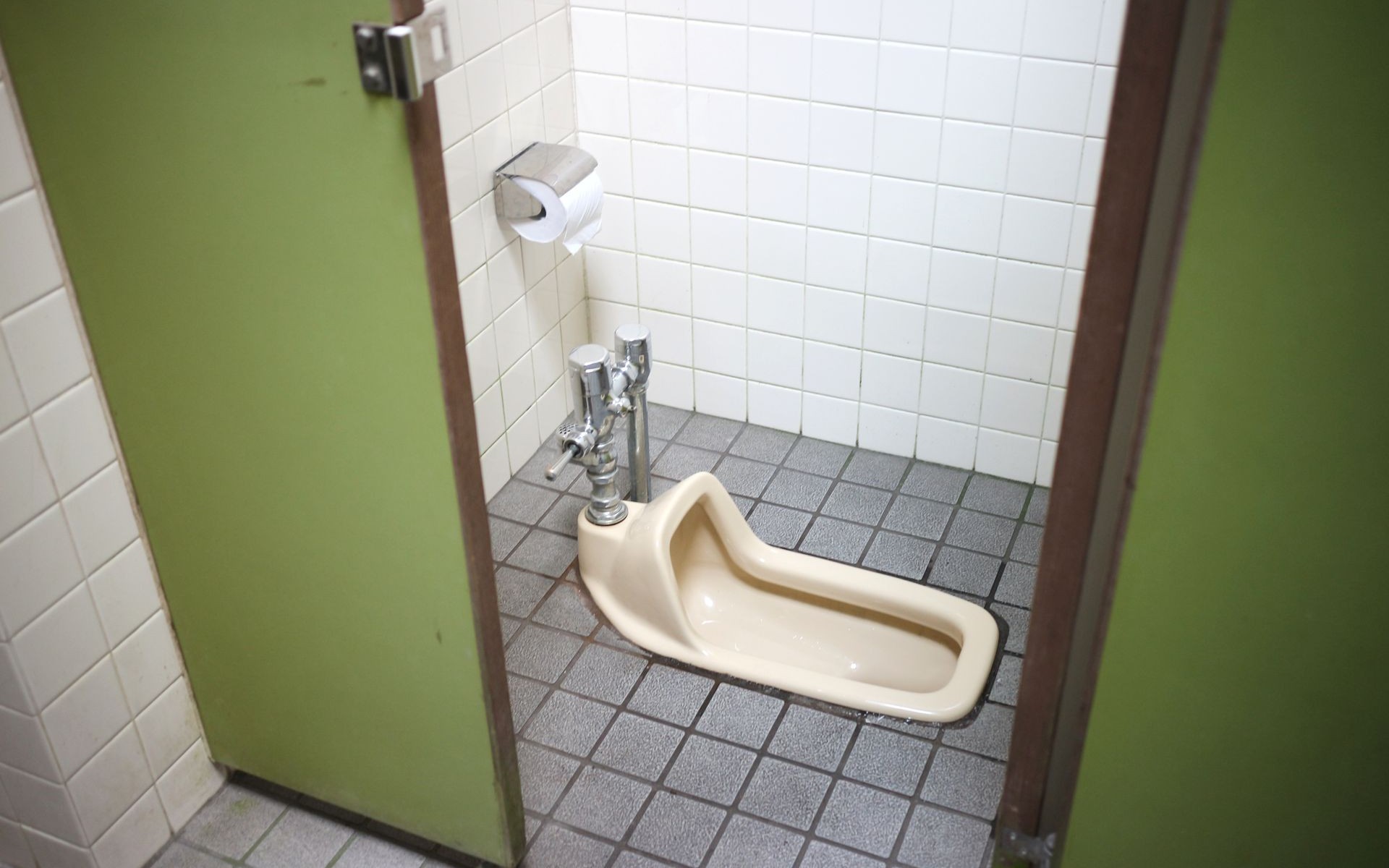
Squat Toilets and Shared Bathrooms: What Homestays Are Really Like
The toilet is the part of a Sapa homestay nobody photographs. Here is what the bathroom is actually like, and the three small things to pack so it never ruins your night.

Booking a Trek Online vs in Town: What Changes
You can book your Sapa trek from home weeks ahead, or walk into an office in Sapa town the day before. Both work. Here is what actually changes with each choice.
Your Luggage While You Trek: Storage Options That Actually Work
You cannot drag a rolling suitcase down muddy terrace steps. Here is where your big bag actually goes while you walk, and what to carry instead.