Best Time to Trek in Sapa, Month by Month
A month by month guide to trekking in Sapa: when the terraces are green, when they turn gold, and which months to avoid for mud, fog, or cold.
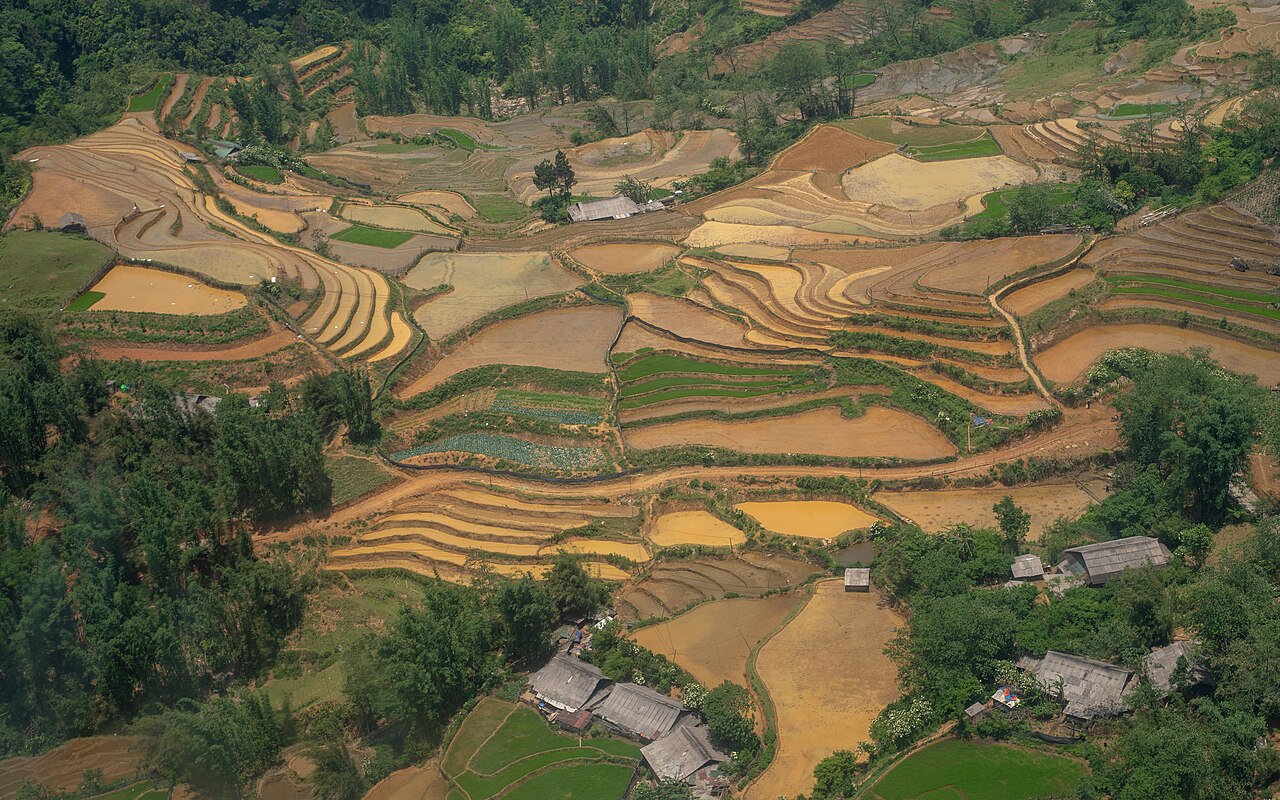
Cover photo: Kandukuru Nagarjun via Wikimedia Commons, CC BY 2.0.

The short answer
If you only need one line, here it is: March to May and September to November are the best windows for trekking in Sapa. If you must pick a single month, pick September or October, when the rice terraces turn gold and the skies are at their most reliable. April is the best spring alternative, with mild weather, green shoots on the terraces, and blossom still showing in the villages.
Sapa does not have one trekking season. It has four different moods, and the month you pick changes what you see, how muddy the trail gets, and how far you can see across the Muong Hoa valley. This guide walks through all twelve months so you can match your dates to the Sapa you want.
January: cold, foggy, and quiet
Source: Mickey Dai Phat via Wikimedia Commons, CC BY-SA 4.0.

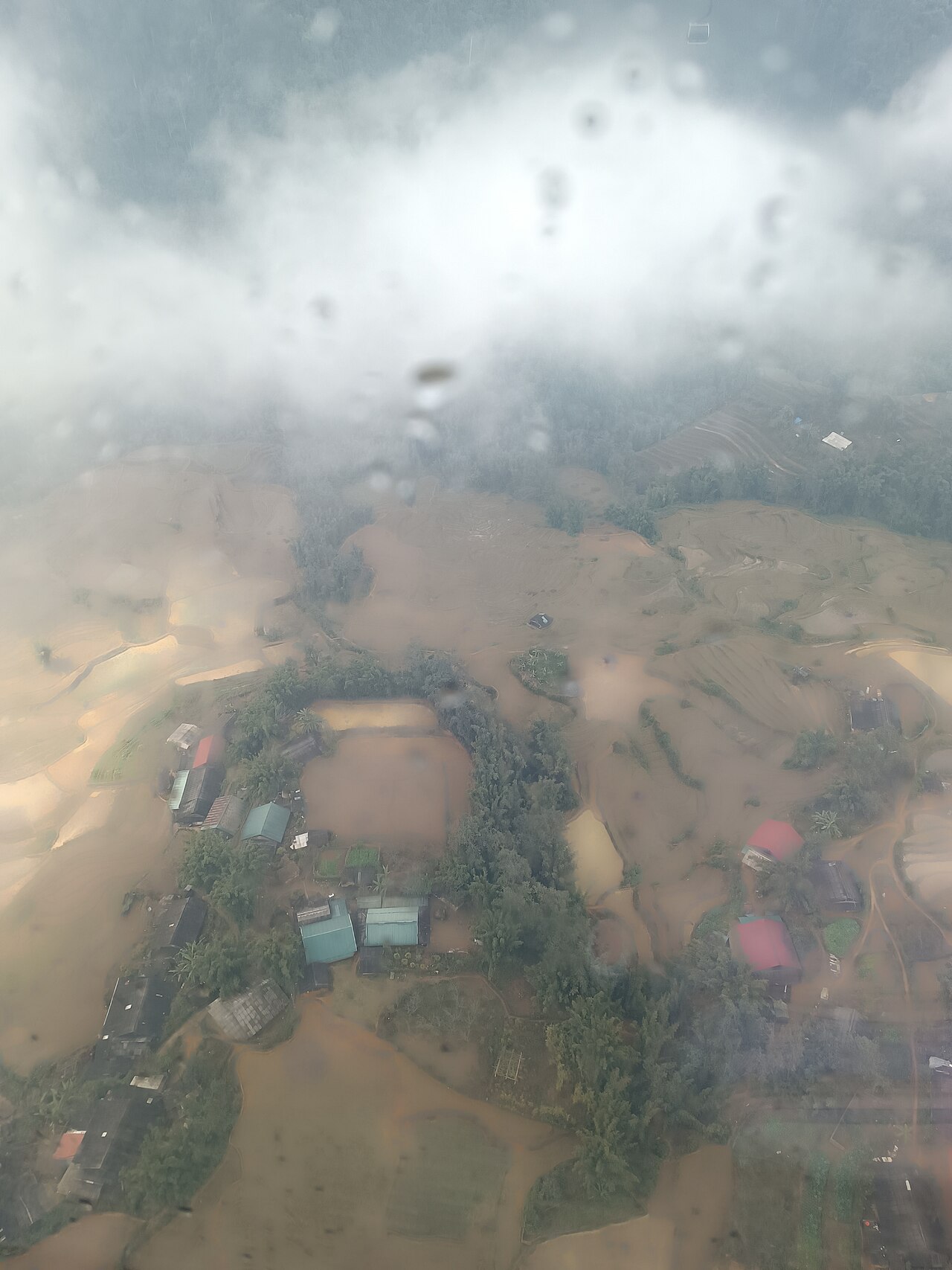
January is the coldest month in Sapa, and the valley often sits under low cloud. On a foggy day you can walk for an hour between villages and barely see the terrace in front of you. Trails are quiet, homestays are empty, and the town feels calm. Come in January only if you value solitude over views, and pack warm layers for cold nights.
February: still winter, slowly warming
February feels much like January, with cold mornings and fog that usually lifts by late morning on better days. The terraces are bare and brown, waiting for the new season. It is a reasonable month for a quiet walk, but not the month to book if clear mountain views are the point of your trip.
March: spring arrives
March is when Sapa wakes up. Days get warmer, peach and plum blossom appear around the villages, and the fog starts to break more often. The terraces are not green yet, but the walking is pleasant and the crowds are still thin. It is a good month for trekkers who prefer mild weather and do not mind brown fields.
April: one of the best months
April is many guides' favorite spring month. The weather is mild, the skies are clearer, and the first green shoots appear on the terraces. Rain is still light, trails are mostly dry, and the valley is colorful without being crowded. If you are trekking in Sapa for the first time, April is a safe and rewarding choice.
May: planting season and mirror terraces
Source: Kandukuru Nagarjun via Wikimedia Commons, CC BY 2.0.

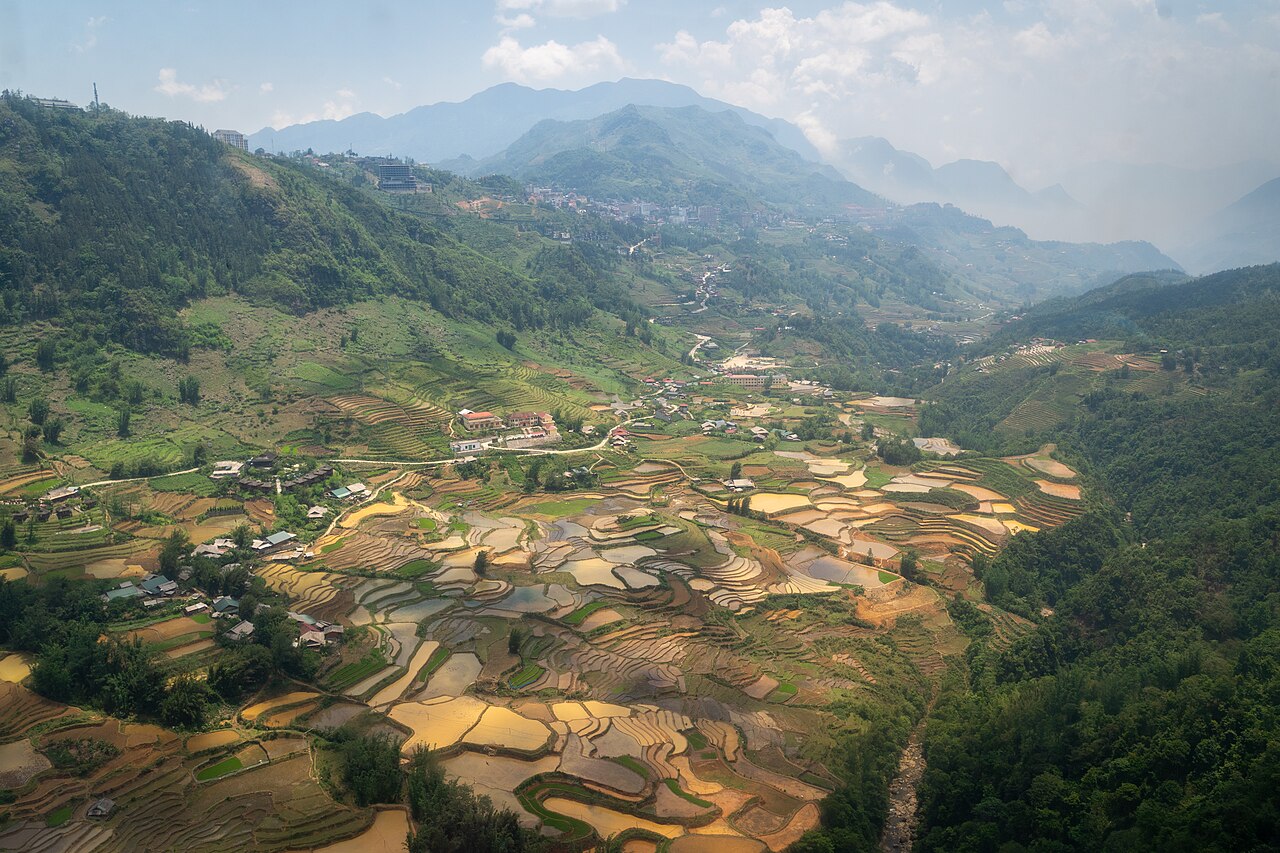
May is planting season in the Muong Hoa valley. Farmers flood the terraces, and on a calm morning the water reflects the sky, which makes for striking photos. Days are warm, and afternoon showers become more common as the month goes on. Trails can be slick after rain, so good shoes matter more from May onward.
June: the rain arrives
June opens the summer rainy season. The valley turns a deep green, waterfalls fill up, and downpours become a regular part of the afternoon. Trails get muddy, stone steps get slippery, and leeches can appear on wet forest paths. Trekking is still possible, and the landscape is at its lushest, but you should expect rain and plan shorter days.
July: the wettest month
July is usually the wettest month, and the hardest month to recommend for a first trek. Heavy rain can turn paths to mud, and some steep sections can close after a big storm, so it is worth checking conditions with your guide before you set out. If you do trek in July, start early, carry proper rain gear, and keep your schedule flexible.
August: green, wet, and less crowded
August stays wet, but the rain often comes in bursts with clearer spells between them. The terraces are green at their peak, and the trails are quieter than in autumn. It suits trekkers who do not mind getting wet and want the valley without the September crowds.
September: harvest gold
Source: Rod Waddington via Wikimedia Commons, CC BY-SA 2.0.

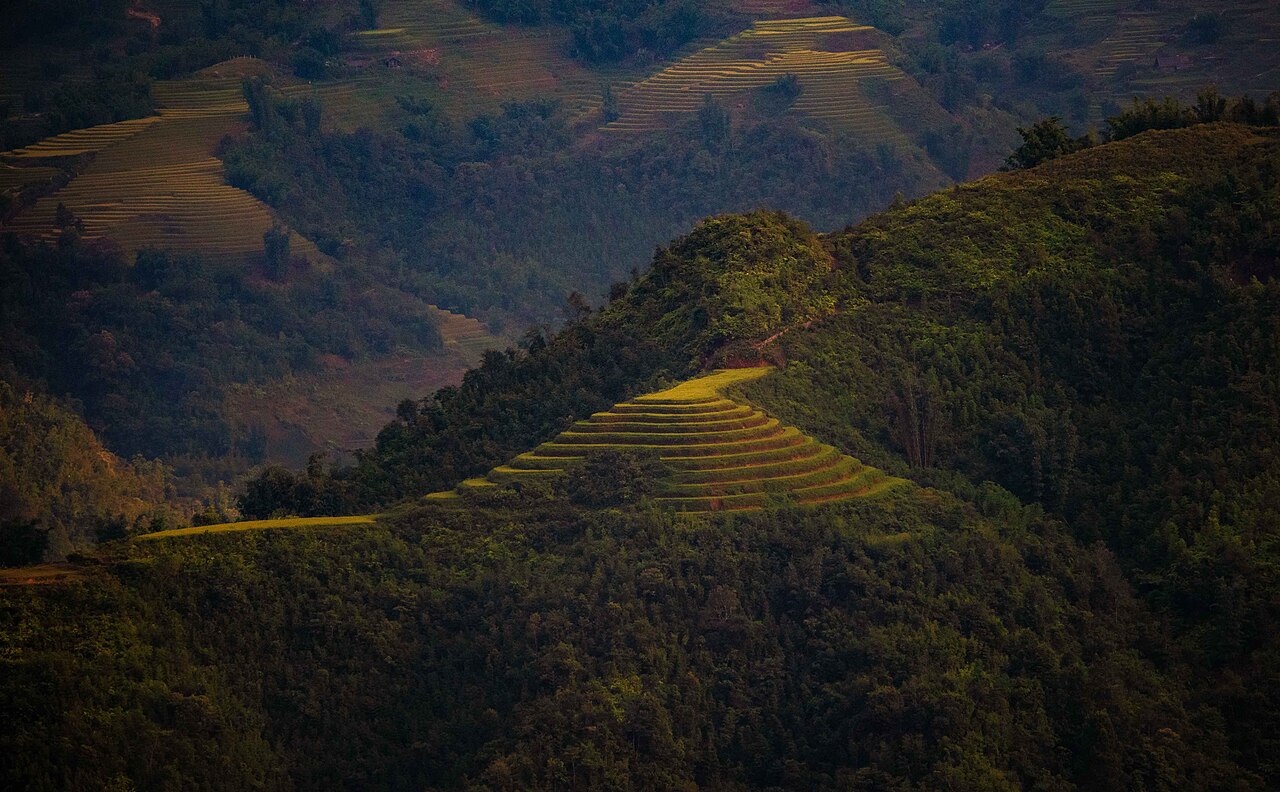
September is the postcard month. The rice ripens, the terraces turn gold, the rain eases, and the skies clear. Views across the valley are at their best, and the classic route from Y Linh Ho through Lao Chai to Ta Van looks its finest. It is also the busiest month on the trail, so book your guide and your homestay early.
October: the single best month for views
October keeps the golden terraces and adds cooler, more stable weather. Many regulars call it the single best month to trek in Sapa: clear mornings, comfortable walking temperatures, and harvest still in progress in parts of the valley. Early October is busy, while late October starts to quieten down.
November: clear, cool, and quiet
By November the harvest is over and the terraces turn brown again, but the weather often stays clear and cool. Trails empty out, and walking feels peaceful. November suits trekkers who care more about the walk itself than about golden fields, and who prefer a quieter valley.
December: winter returns
December brings back the cold and the fog. Days are short, nights are cold, and mist can hide the valley for days at a time. Frost can appear on high ground. It is the quietest month of the year, and a fair choice if you want Sapa to yourself, but views are a gamble.
So, when should you go?
For the best all round experience, choose September or October. For green terraces and spring flowers, choose April or May. For quiet trails and clear cool air without the crowds, choose November. For a first trek with the lowest risk of bad weather, avoid July and January, when heavy rain and cold fog are most likely to spoil the views.
Two practical notes apply in every season. First, mountain weather changes fast, so a clear morning can still turn wet by afternoon, and a good guide will adjust the route to the conditions. Second, the classic route ends in Ta Van, which means you sleep in the valley instead of returning to Sapa town, and that makes an early start the next morning easy if you want to continue toward Giang Ta Chai and Su Pan.
Plan your trek
If this guide helped you pick a month, the next step is picking a route. Our Sapa trekking guide compares the main routes, and both our Y Linh Ho, Lao Chai, and Ta Van trek and our Ta Van homestay trek finish at Cloud Valley in Ta Van, so you can read the details and message us on WhatsApp for a quote for your dates.
Walk it with us
Every route in these guides ends at Cloud Valley. Sleep where the trail ends, not back in town.
Sapa Trekking Guide · 1 Day Valley Trek · 2 Day Homestay Trek
More guides
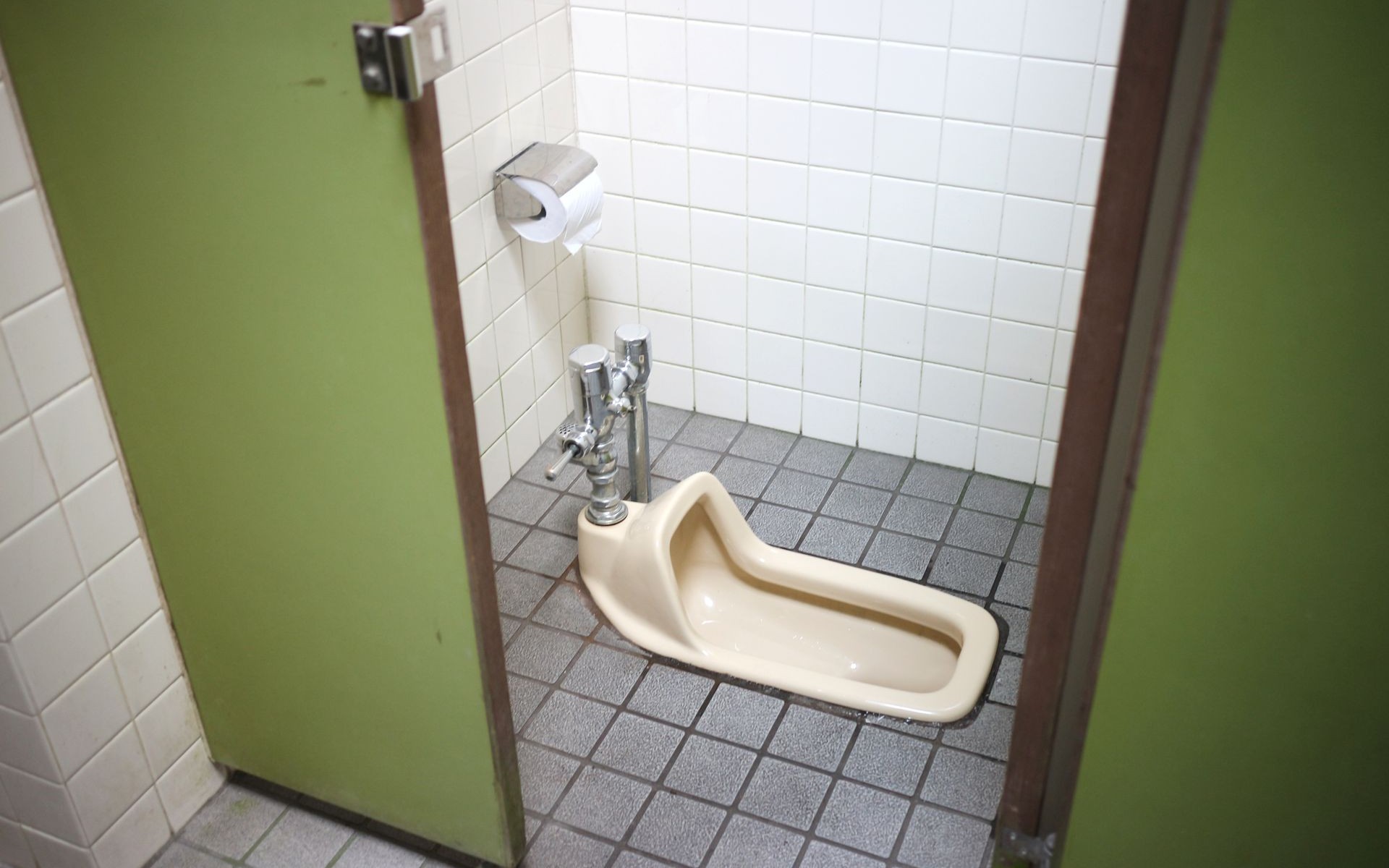
Squat Toilets and Shared Bathrooms: What Homestays Are Really Like
The toilet is the part of a Sapa homestay nobody photographs. Here is what the bathroom is actually like, and the three small things to pack so it never ruins your night.

Booking a Trek Online vs in Town: What Changes
You can book your Sapa trek from home weeks ahead, or walk into an office in Sapa town the day before. Both work. Here is what actually changes with each choice.

Your Luggage While You Trek: Storage Options That Actually Work
You cannot drag a rolling suitcase down muddy terrace steps. Here is where your big bag actually goes while you walk, and what to carry instead.