Landslides and Washed-Out Paths: How to Recognise an Unsafe Trail
Heavy rain can take a Sapa trail out overnight. Fresh cracks, leaning trees, and water seeping from a slope all say stop. Here is how to read a trail before you trust it.
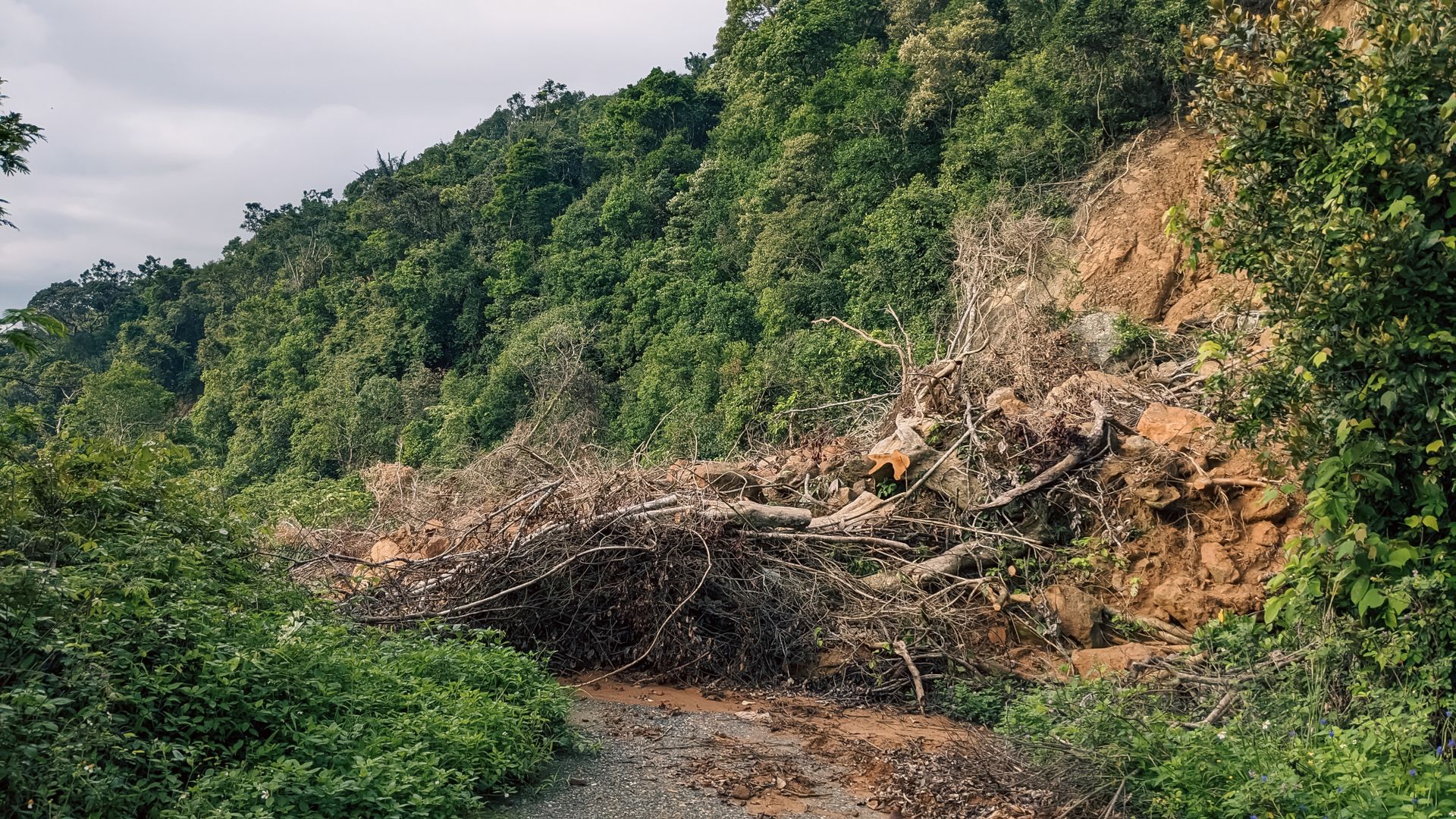
Landslides and Washed-Out Paths: How to Recognise an Unsafe Trail
Cover photo: nhavantuonglai via Pexels, a landslide blocking a forest path in Da Nang, Vietnam.
You set out on a clear morning, and twenty minutes down the path the trail simply stops. Where it used to run along the terrace edge, there is now a raw scar of red earth, and a slab of the hillside has dropped into the valley below. In Sapa, heavy rain can take a trail out overnight.
Sapa's paths cross steep terraces where the soil is thin over rock. After days of rain the ground soaks through, and a whole section of path can slide away overnight. Village guides walk these paths every day and hear about a slide within hours, so yours will usually know before you start. If you walk on your own, or if the rain fell overnight, read the trail yourself.
The signs to stop and look
Fresh cracks across the path are the clearest warning. A thin dark line along the edge of a terrace, or a crack cutting across the path itself, means the ground is moving. Do not step over a crack. The ground beyond it may already be loose.
Look at the trees and fence posts on the slope above and below you. Trees leaning at a new angle, or posts tilted downhill, mean the soil has shifted. Fresh earth is another sign. A patch of slope showing bare red or yellow soil with no grass means something moved there recently, since old slides grow grass back within weeks.
Water is the third sign. A thin stream of muddy water seeping from a slope that was dry yesterday means water is building up inside the hill. If water is running down the path itself instead of draining off it, the path surface is already washing away under your feet.
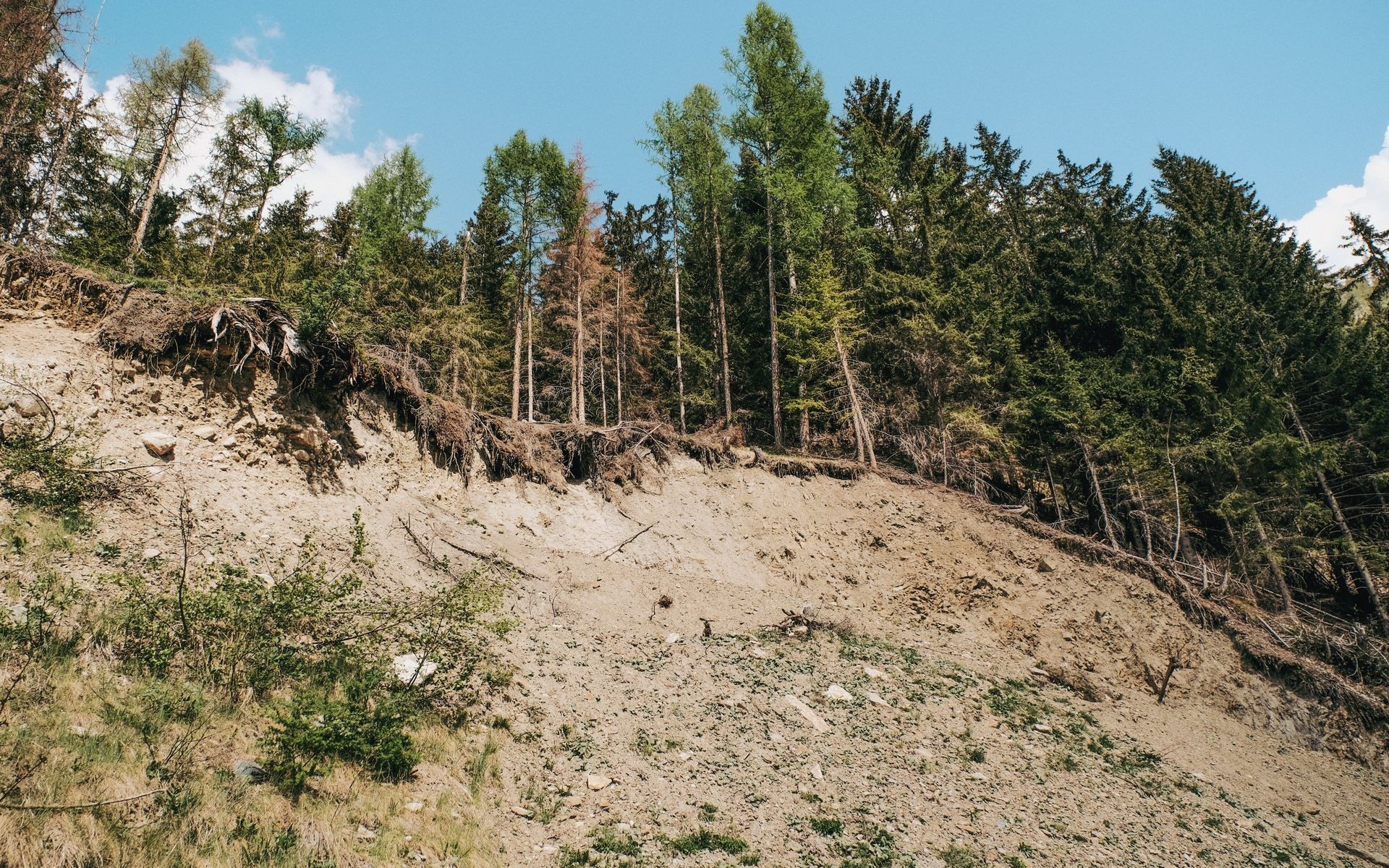
Source: Andreas Schnabl via Pexels, an eroded hillside with exposed tree roots. No location claimed on the source page.
What to do when the trail looks wrong
Stop before the bad section, not on it. Stand on solid ground and look at the whole stretch. If the path has dropped away, narrowed to less than a foot wide, or is covered in fresh debris, do not try to cross it. A collapsed path edge can give way under one person's weight, and the drop beside a terrace path is often a long fall.
Tell your guide straight away, and follow their call. A good guide will not argue with a bad path. They will take you back, find another route, or wait for the path to dry. If you are walking without a guide, turn back the way you came. The village you left is a safe place to wait. Never climb around a fresh slide on the slope above it: that ground is the next part to go, and it is steeper and looser than the path you left.
After the rain, give the hills time
The riskiest time is not during the rain but in the day or two after it. The soil stays soaked long after the sky clears, and a slope can let go on a sunny morning. If it rained hard overnight, ask your guide which paths they checked, and accept a changed route. A shorter walk on a safe path beats a long walk that ends at a collapsed trail.
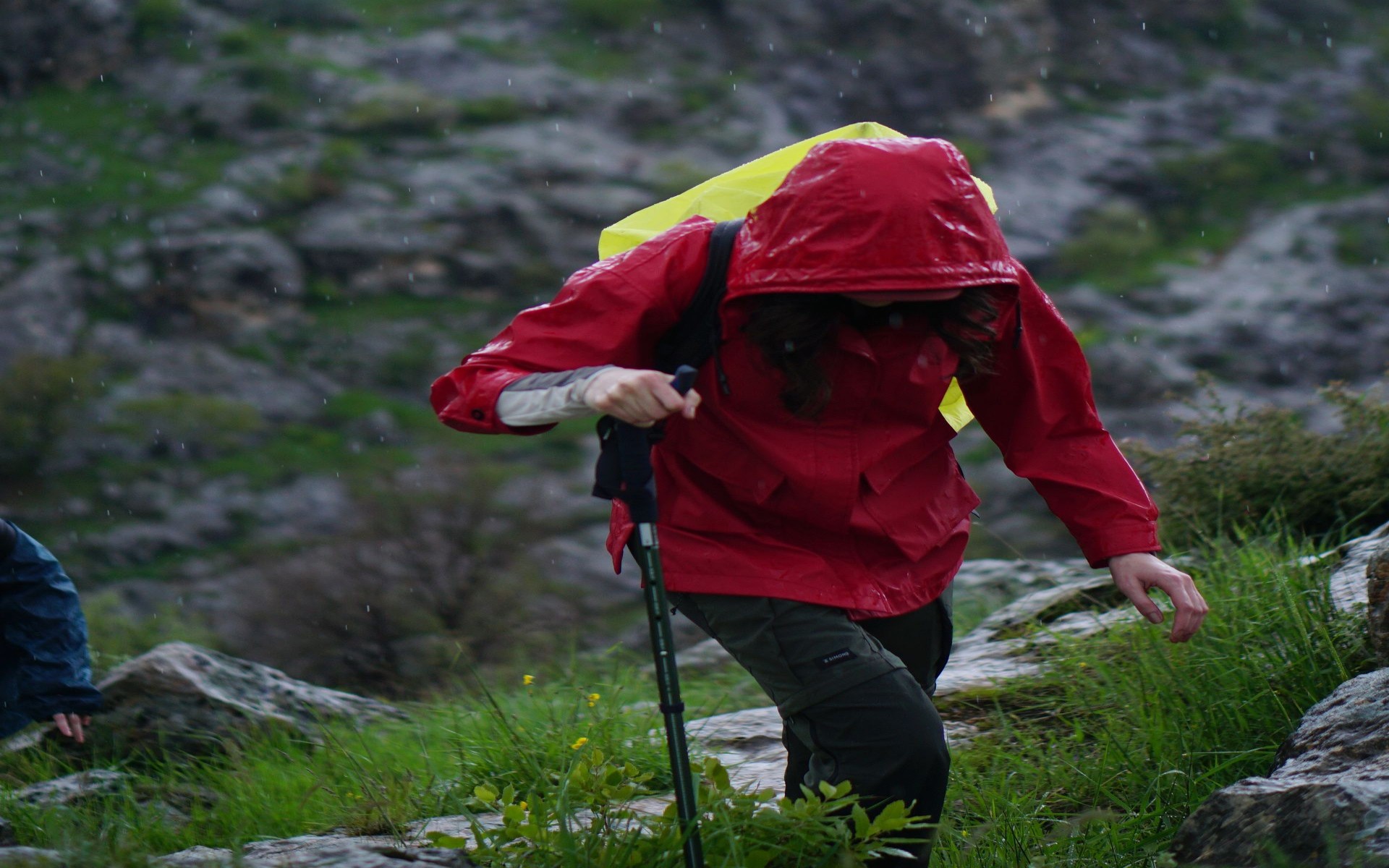
Source: Hasan Hüseyin TURAN via Pexels, a hiker in a red raincoat climbing a rocky mountain path in a rainstorm. No location claimed on the source page.
Your next step
Landslides are part of trekking in a steep, wet landscape, and a local guide is your best protection. Read our Sapa trekking pillar page, and see the classic 1-day Y Linh Ho, Lao Chai, Ta Van trek or the 2-day Ta Van homestay trek. Message Cloud Valley on WhatsApp or Zalo for a quote.
Walk it with us
Every route in these guides ends at Cloud Valley. Sleep where the trail ends, not back in town.
Sapa Trekking Guide · 1 Day Valley Trek · 2 Day Homestay Trek
More guides
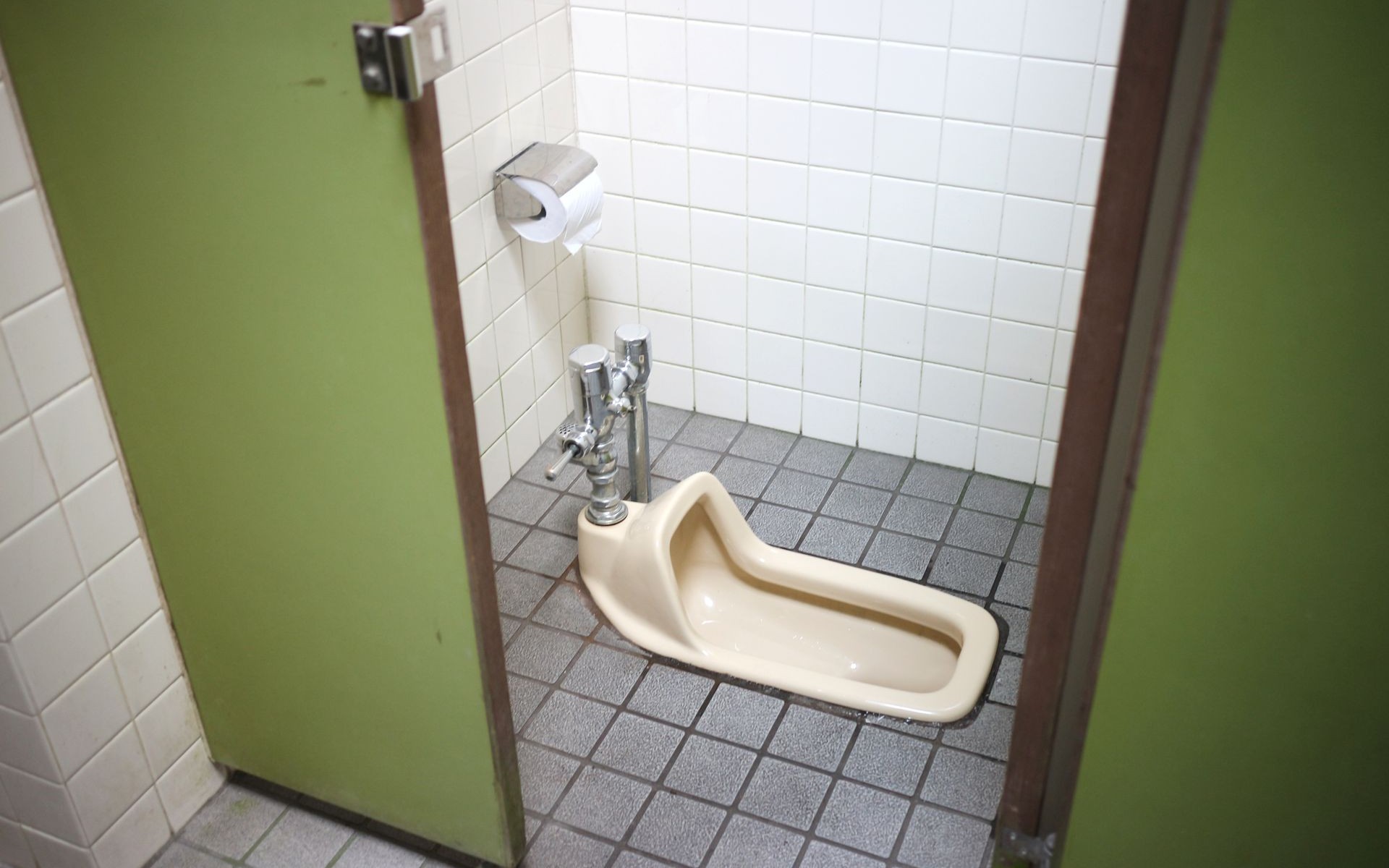
Squat Toilets and Shared Bathrooms: What Homestays Are Really Like
The toilet is the part of a Sapa homestay nobody photographs. Here is what the bathroom is actually like, and the three small things to pack so it never ruins your night.

Booking a Trek Online vs in Town: What Changes
You can book your Sapa trek from home weeks ahead, or walk into an office in Sapa town the day before. Both work. Here is what actually changes with each choice.

Your Luggage While You Trek: Storage Options That Actually Work
You cannot drag a rolling suitcase down muddy terrace steps. Here is where your big bag actually goes while you walk, and what to carry instead.