Hiring a Porter: What to Agree Before You Start Walking
Your pack is heavy, your knees are complaining, and someone offers to carry your bag to the next village. Agree the price, the load, and the meeting point before you hand it over.
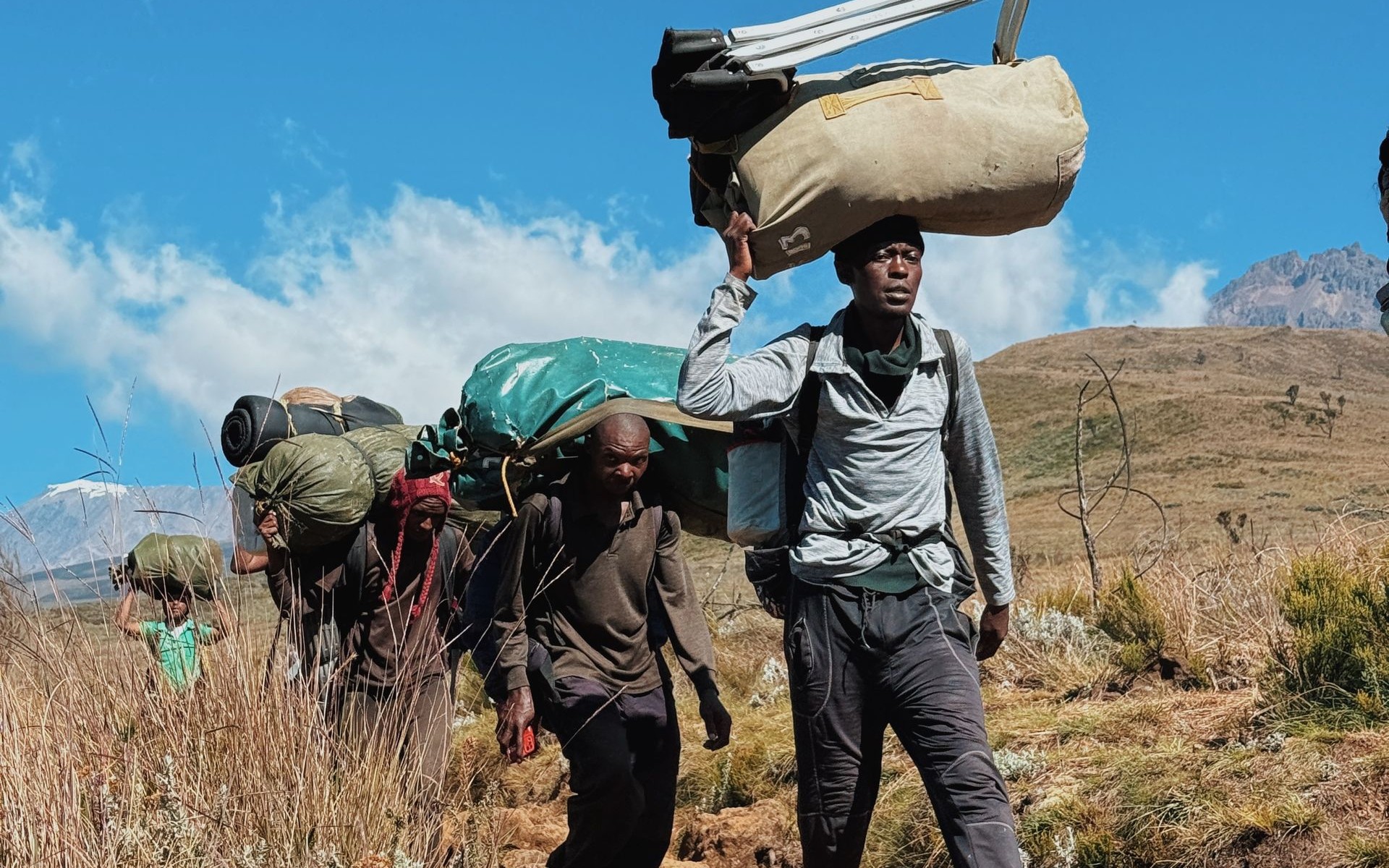
Halfway through the first day your shoulders ache, your pack feels twice as heavy as it did in town, and a local man offers to carry it to the homestay. It sounds like an easy yes. It is, as long as you agree the terms before you hand the bag over. Once the bag is on someone else's back, you have no leverage left, and a small misunderstanding about price or distance can spoil the day.
Do you actually need one?
In Sapa you probably do not need a porter the way trekkers do on a high mountain. The valley walks last one or two days, and most people carry a daypack with water, rain jacket, and a spare shirt. A porter makes sense in three cases: a bag heavy with camera gear, knees or a back that will not take a loaded pack on steep terrace steps, or children whose things you are already carrying. If none of those apply, carry your own pack. A porter is a comfort, not a requirement.
The price, in dong, before you start
Agree the price in dong, for the day, before the bag changes hands. Say the route out loud: this village to that homestay, today only. Ask whether it covers one bag or two, and whether it includes the walk back if the porter returns alone. Pay at the end of the day, in cash and small notes, once the bag is in your room. If bad weather cuts the trek short, agree in advance whether the full day still applies. A short conversation now prevents an argument on a muddy path later.
The load, agreed by lifting it together
Lift the bag together before you start. If it takes two hands and a grunt to get it off the ground, take something out. A fair load is one bag that one person can carry comfortably all day on steep steps. Your camera stays with you, and so does anything you cannot afford to lose. A porter carries clothes and spare gear, not your passport, money, phone, or medicine.
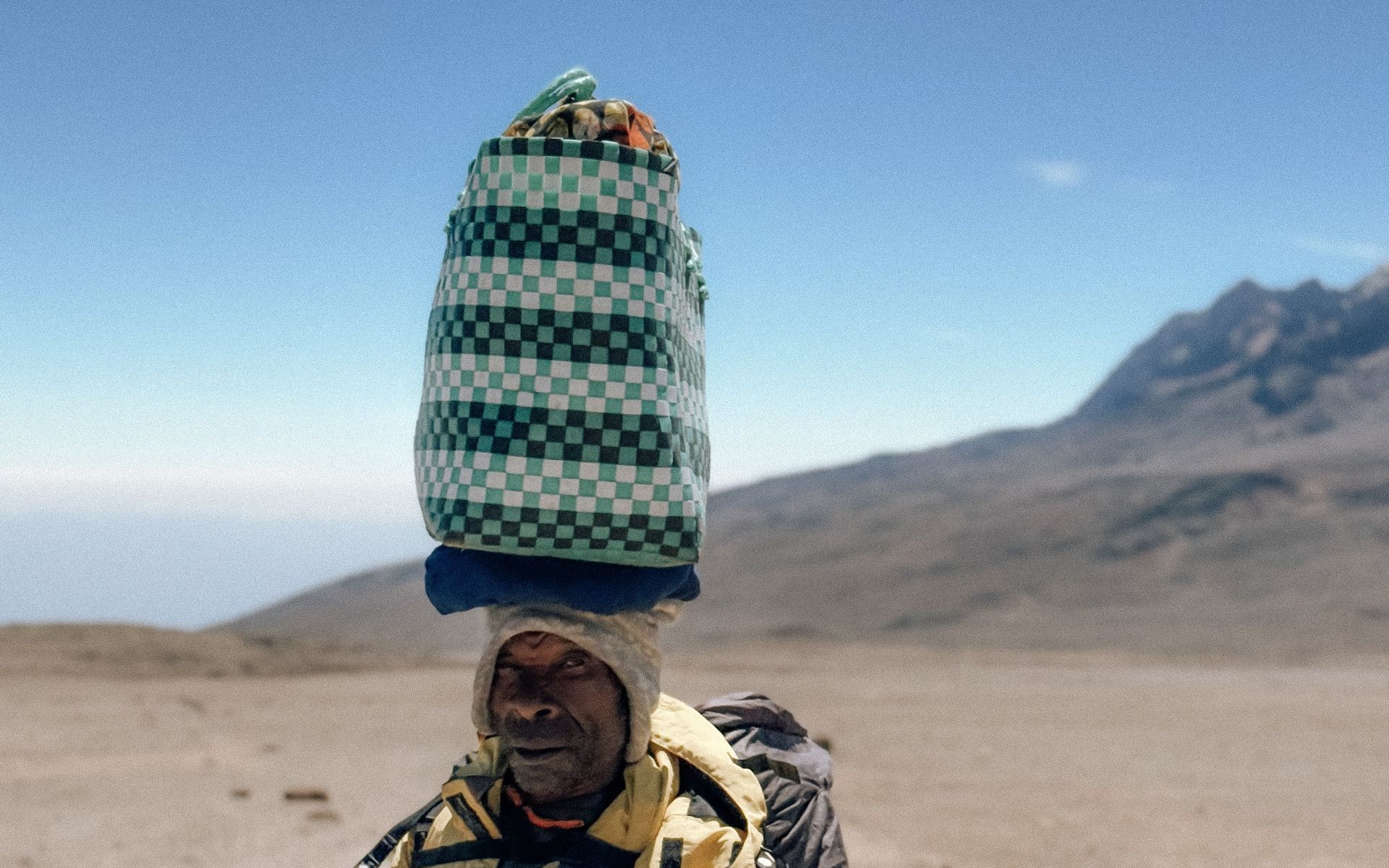
Source: Marina Zvada via Pexels. A porter balancing a load on his head on Mount Kilimanjaro, Tanzania, shown as an illustration of a porter carrying a load, with no location claimed as Sapa.
Where you meet, and what stays with you
Agree where you will meet again: at the lunch stop and at the homestay door, and what happens if one of you arrives first. The porter may walk faster than you, or slower, and on a valley trail you can easily lose sight of each other around a bend. Keep your daypack on your back with water, rain jacket, snacks, and documents. If your bag goes ahead and you twist an ankle, you still need water and your phone in your own hands, not in a bag walking away.
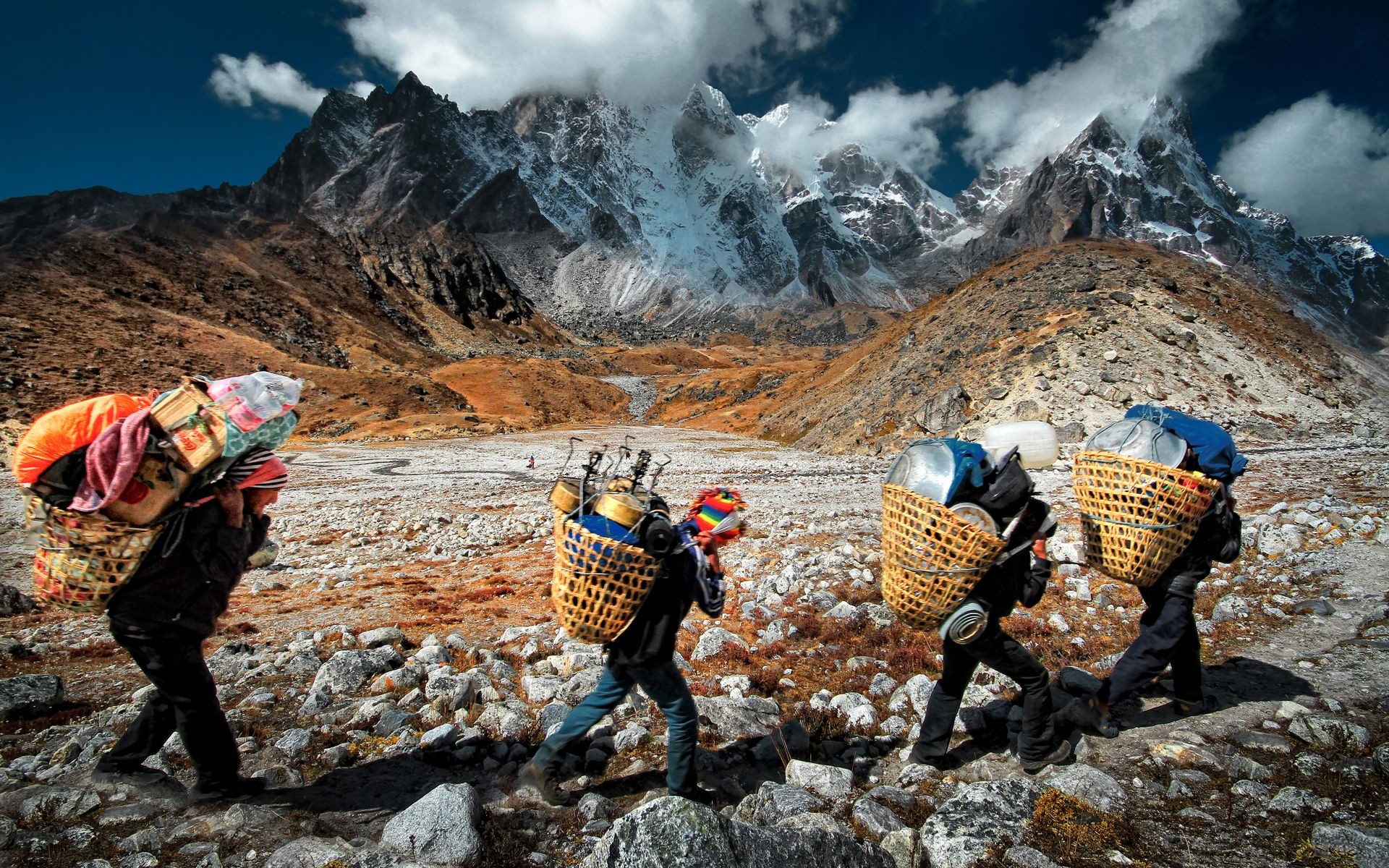
Source: Muhammad Hary via Pexels. Porters carrying woven baskets through rugged Himalayan terrain in Nepal, shown as an illustration of porters carrying heavy loads, with no location claimed as Sapa.
Treat it as a fair deal
A porter is a neighbour earning a day's work, not a pack animal. Offer water at rest stops, walk at a pace that suits you both, and add a tip on top of the agreed price if the work was good. If the load turns out heavier than you thought, take a few things out at the next stop. The arrangement works when both sides know the deal and keep it.
A porter turns a hard second day into an easy walk and puts money into a village household. Agree the price, the bag, and the meeting point before you start, keep your valuables with you, and the deal stays simple. The 2 day Ta Van homestay trek is the walk where a porter makes the most difference. Read the full Sapa trekking guide, then message the house on WhatsApp or Zalo to add a porter when you book.
Walk it with us
Every route in these guides ends at Cloud Valley. Sleep where the trail ends, not back in town.
Sapa Trekking Guide · 1 Day Valley Trek · 2 Day Homestay Trek
More guides
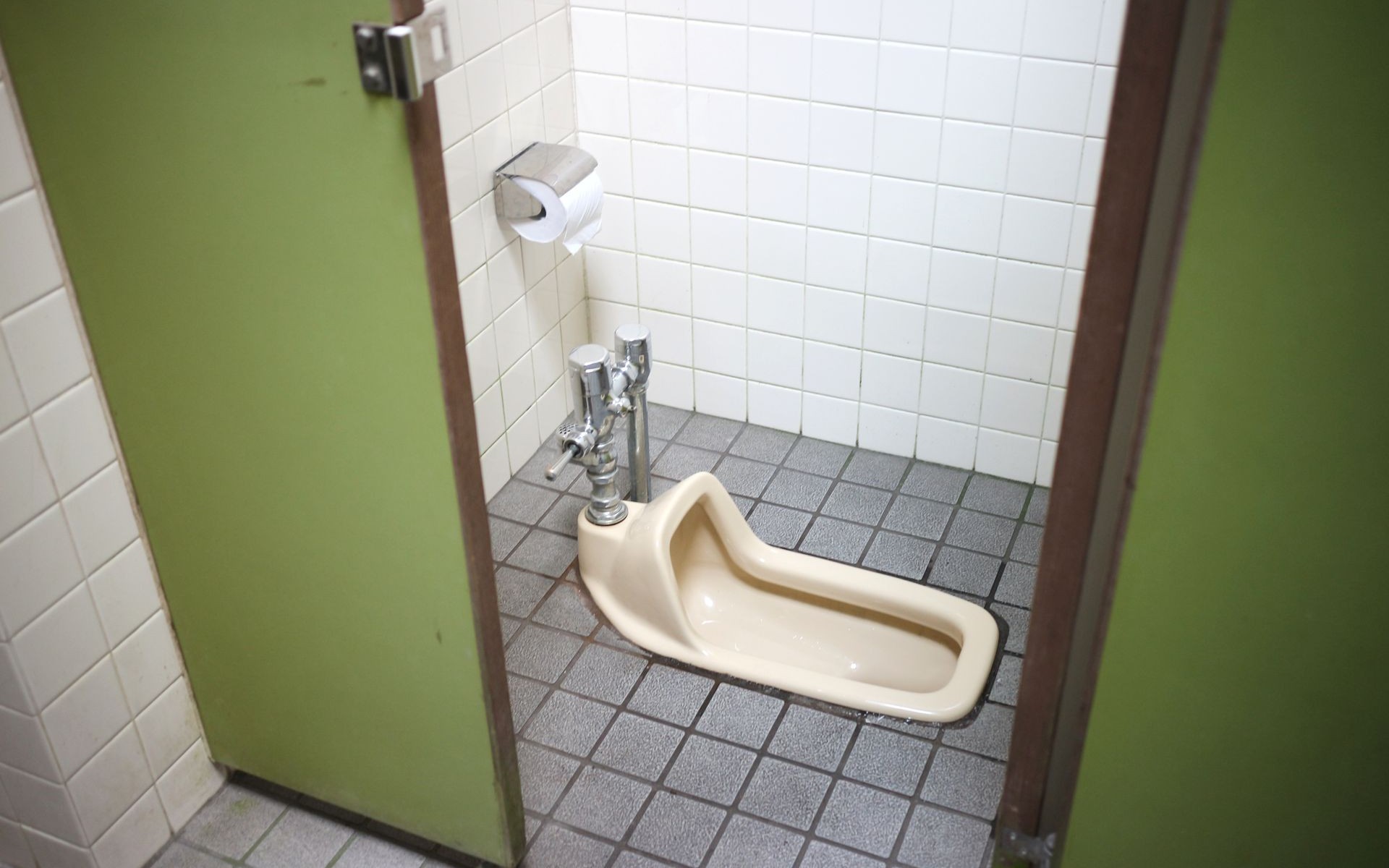
Squat Toilets and Shared Bathrooms: What Homestays Are Really Like
The toilet is the part of a Sapa homestay nobody photographs. Here is what the bathroom is actually like, and the three small things to pack so it never ruins your night.

Booking a Trek Online vs in Town: What Changes
You can book your Sapa trek from home weeks ahead, or walk into an office in Sapa town the day before. Both work. Here is what actually changes with each choice.
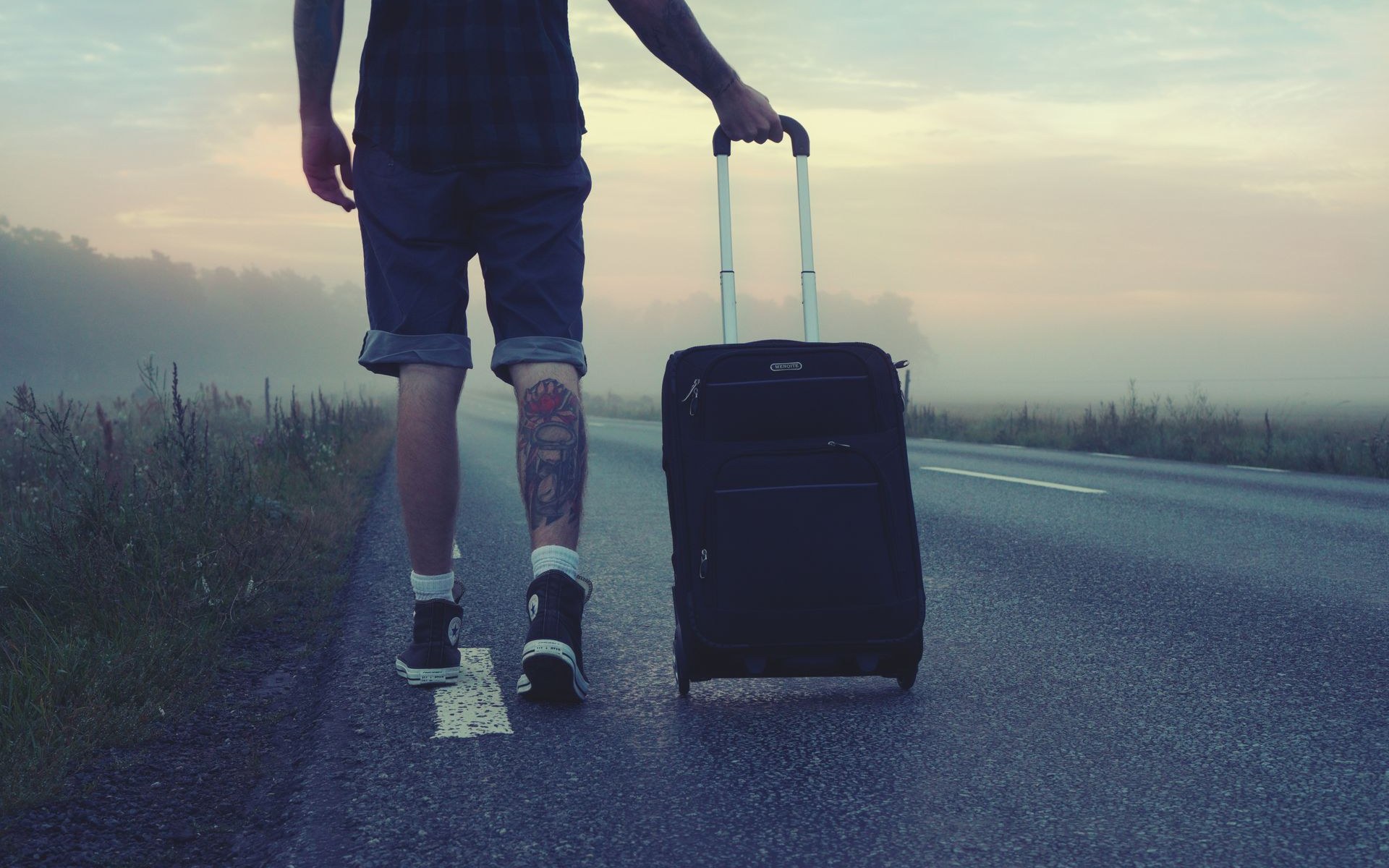
Your Luggage While You Trek: Storage Options That Actually Work
You cannot drag a rolling suitcase down muddy terrace steps. Here is where your big bag actually goes while you walk, and what to carry instead.