What to Wear and Pack for Sapa Trekking
The classic Sapa valley walk is about 12 km on farm paths, not a mountain expedition. Pack for mud, sun, and a change in the weather, and leave the heavy gear at home.
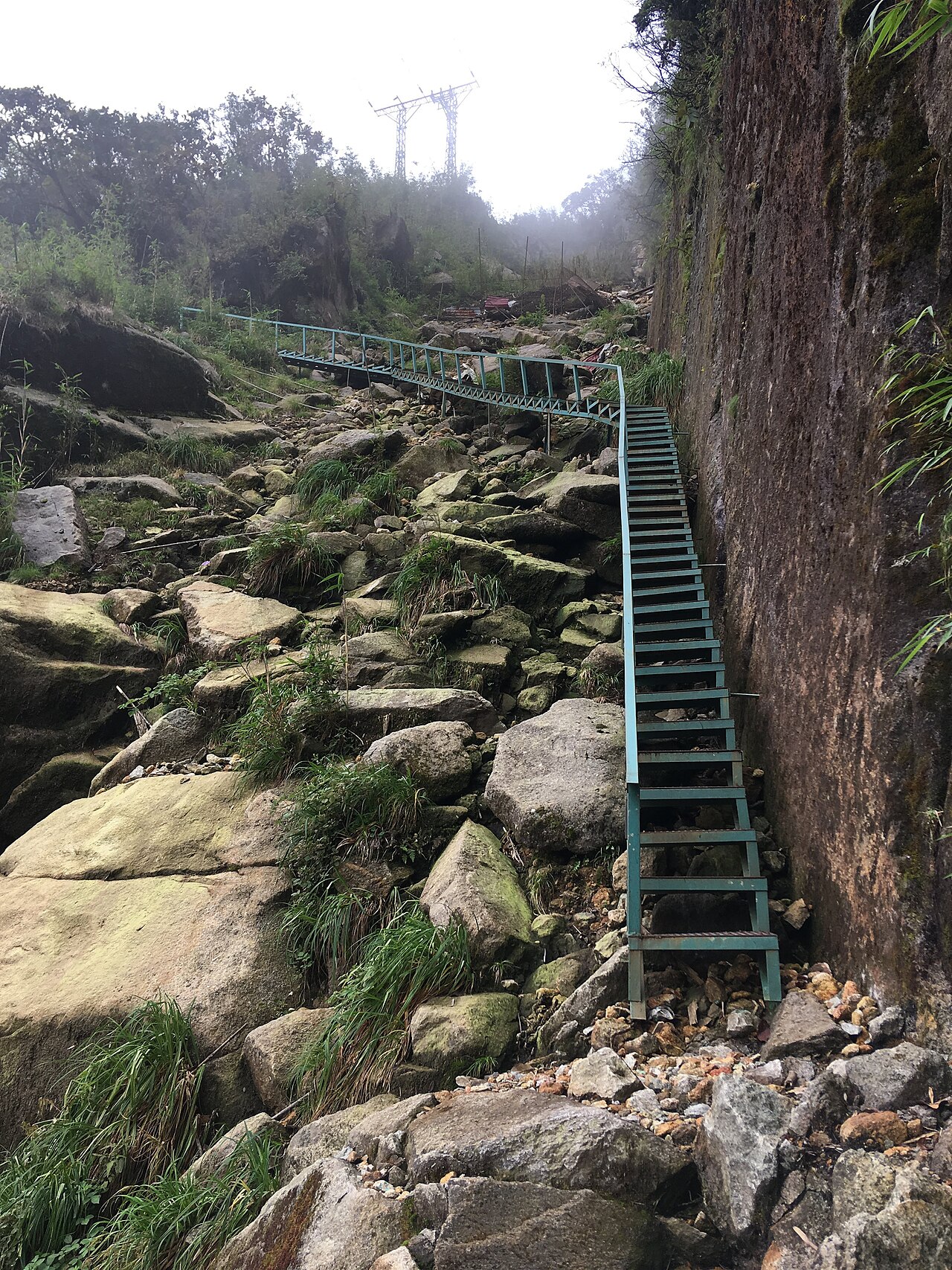
Cover photo: Christophe95 via Wikimedia Commons, CC BY-SA 4.0.

What to Wear and Pack for Sapa Trekking
The short answer is this: wear shoes with real grip, dress in layers you can add and remove, and carry a small daypack with water, sun protection, and a rain layer. Sapa trekking is mostly walking on farm paths between villages, not climbing a mountain, so you do not need expedition gear. What you do need is clothing that copes with mud, sun, and a weather change in the same day.
The classic valley route from Sapa town through Y Linh Ho and Lao Chai to Ta Van is about 12 km, mostly downhill and flat, and it takes 6 to 7 hours with stops. That is the walk this packing list is built for. If you are heading for the Fansipan summit instead, treat that as a separate, harder trip, with a licensed guide, and ask your guide for a summit kit list before you pack.
Start with your shoes
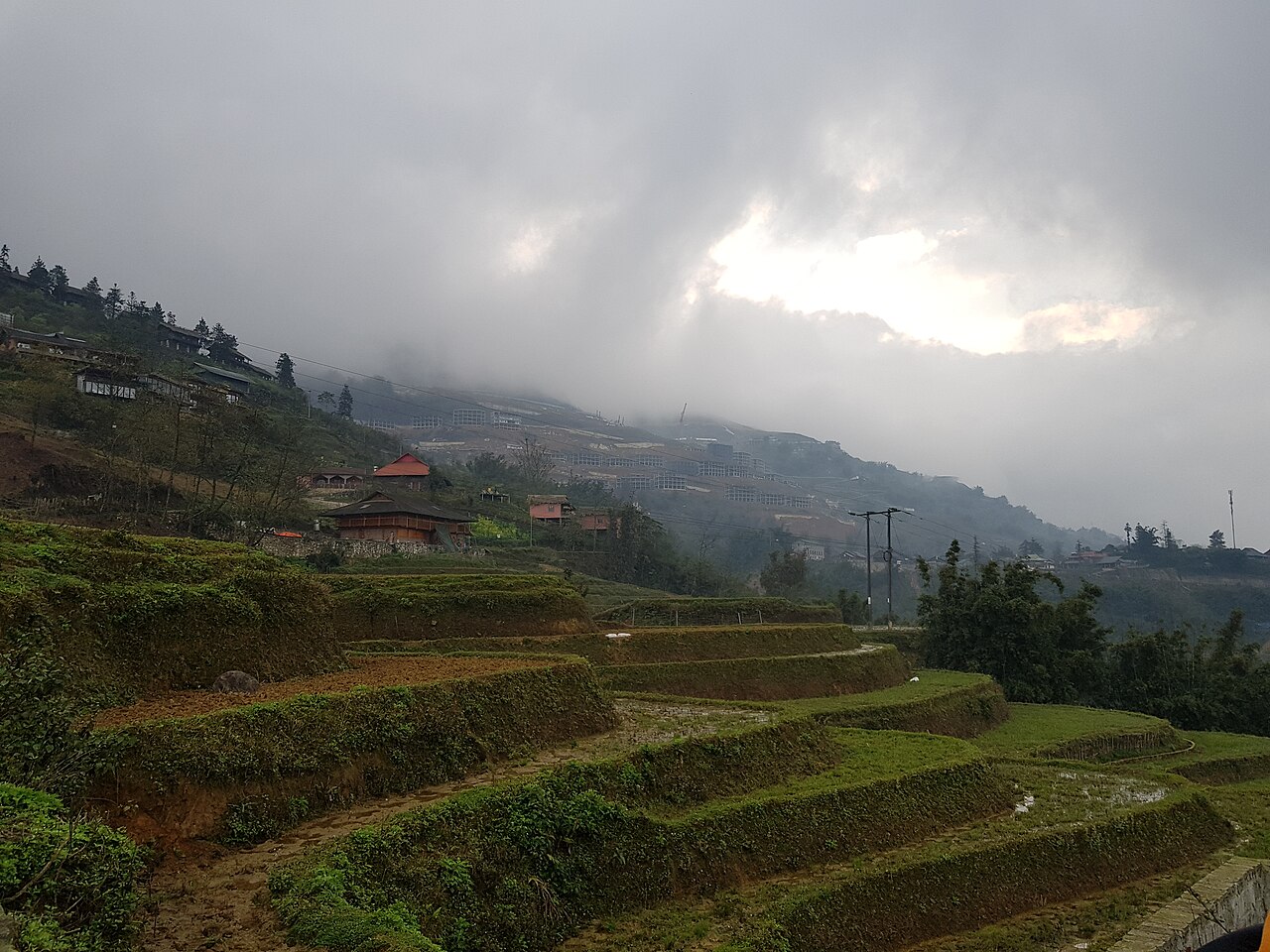
Source: Andre Hospers via Wikimedia Commons, CC BY 4.0.

Shoes matter more than anything else you pack. Sapa's trails are earth paths, stone steps, and terrace edges, and after rain they turn slippery fast. The most common trekking injury here is not exhaustion. It is a slip on wet stone or mud.
Wear walking shoes or light hiking boots with a deep, grippy sole. Trainers with a flat sole will slide on wet stone, and sandals are a bad idea on a full valley day. Your shoes should already be broken in: wear them on a few long walks at home first.
If your shoes are not waterproof, bring a pair of dry socks to change into at lunch. In the wet months, from June to August, waterproof shoes earn their place.
Dress in layers, not in one heavy jacket
Mountain weather in Sapa changes through the day. Mornings in town can be cool and misty, the valley warms up by midday, and a cloud over the ridge can drop the temperature again in minutes. One thick jacket cannot cope with all three. Layers can.
Start with a light, breathable top that dries quickly. Add a fleece or warm mid layer you can tie around your waist when the sun comes out. Top it with a light waterproof jacket, whatever the forecast says. That three layer system covers almost every valley walking day in Sapa.
In winter, from December to February, add a proper warm layer and a hat, because mornings in Sapa town and the high villages get cold. In summer, keep the layers light, but still bring the rain jacket.
Choose trousers you can walk in all day: light trekking trousers, or leggings with a long top for modesty in villages. Avoid jeans: they are heavy when wet, slow to dry, and stiff on stone steps. Shorts are fine on a hot, dry day, but long trousers protect your legs from sun, scratches, and insects, so most valley walkers choose them even in summer.
Rain gear: bring it even when the sky looks clear
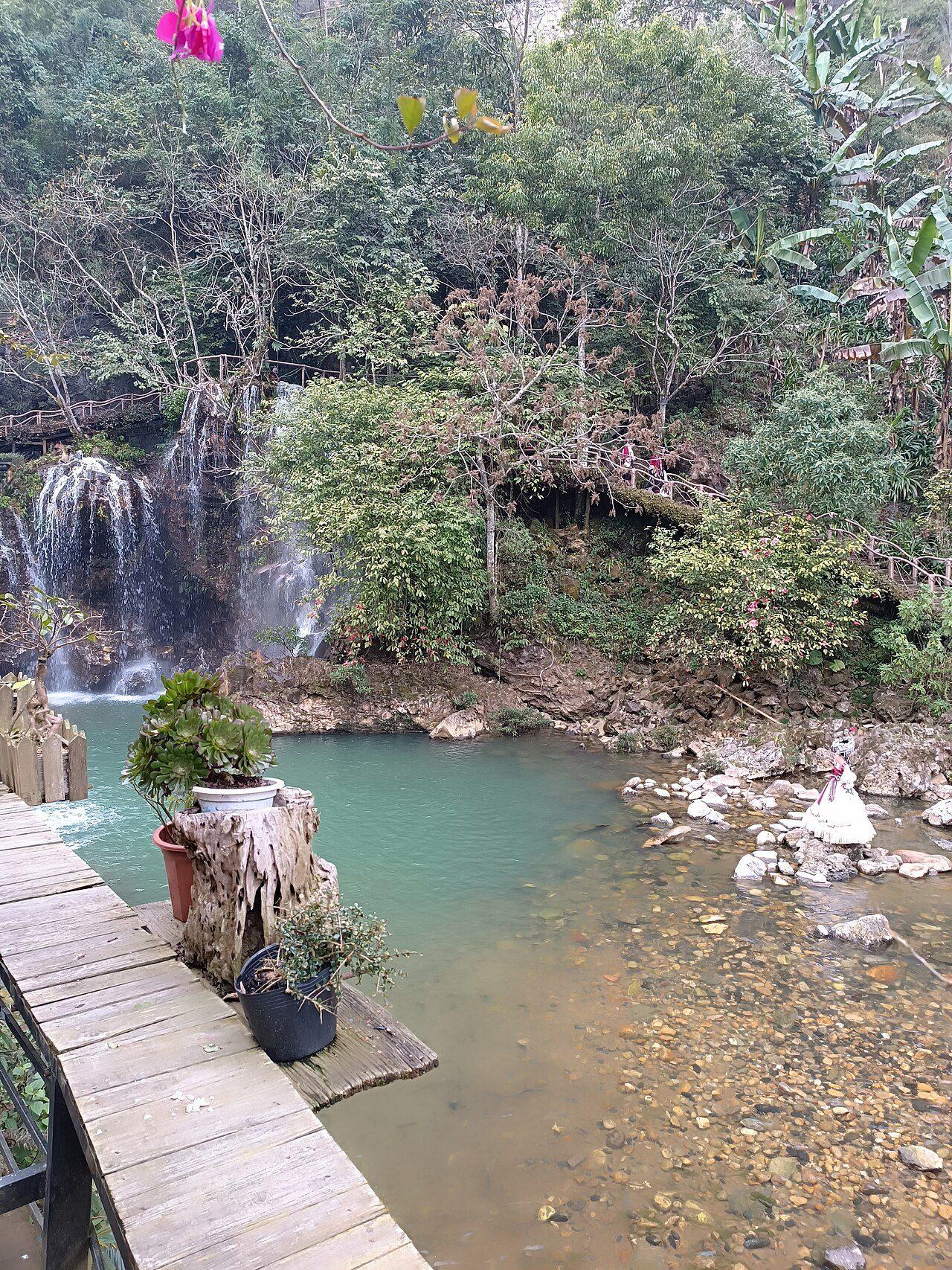
Source: Mickey Dai Phat via Wikimedia Commons, CC BY-SA 4.0.

Sapa's weather has a habit of changing while you are between villages, and there is no shop on the trail to buy a jacket from. A light, packable rain jacket is the single most useful item after your shoes, and it belongs in your daypack on every walk, in every season.
Pack a small dry bag or a plastic bag inside your daypack for your phone and any paper, because a rain jacket keeps you dry but does not protect what is in an open pocket.
If heavy rain is forecast all day, talk to your guide or homestay in the morning before you set out. Light rain does not cancel a valley trek, but heavy rain turns farm paths slick, and a shortened route beats a miserable one.
Your daypack: what goes in it
You do not need a big backpack for a valley day walk. A daypack of about 20 litres is plenty, and on a guided trek your main bag can travel separately to your homestay in Ta Van, so you carry only the day's needs.
Pack more water than you think you need, especially on a warm day. Add snacks for the stretches between villages: nuts, fruit, or energy bars. Lunch is usually in a family home on the classic route, but a snack at a viewpoint keeps the group happy.
Sun protection matters even on a cloudy day, because mountain sun is strong. Pack sunscreen, a sun hat or a cap, and sunglasses. Add insect repellent, a small first aid kit with plasters for blisters, any personal medication, and a charged phone with an offline map downloaded before you leave town, because mobile signal is patchy in parts of the valley.
Finally, bring cash in small notes. There is no card machine on the trail, and you will want it for drinks, snacks, and a small tip for your guide. Keep it in a zipped pocket, not loose in your daypack.
What to leave behind
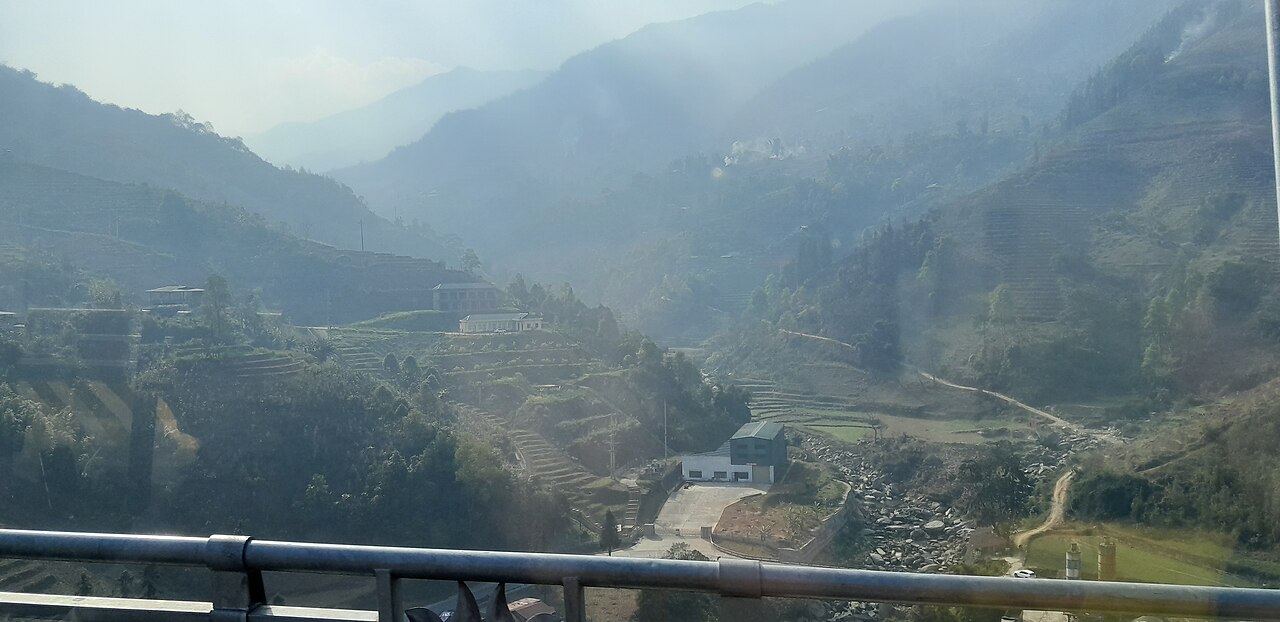
Source: JakobHosp via Wikimedia Commons, CC BY 4.0.

Packing light is a kindness to yourself on a 12 km walk. Leave the heavy camera bag unless photography is the point of your trip, and leave the laptop, the extra shoes, and the just in case outfits at your hotel or homestay. If you are staying in Ta Van after the walk, your main bag will be waiting for you there, so there is no need to carry your whole trip on your back.
Leave valuables you do not need on the trail at your accommodation. On the walk, you need your phone, your water, your layers, and your cash for the day, and not much else. Nobody on the trail cares about brands: comfort, grip, and dry feet matter.
Adjusting for the season
Spring, from March to May, is the easiest packing season: light layers, a rain jacket, and shoes with grip cover most days. Summer, from June to August, means rain gear first, quick drying clothes, and shoes that cope with mud. Autumn, from September to November, is the clearest walking season, but mornings stay cool, so keep that mid layer in the pack. Winter, from December to February, is the one season where packing changes properly: bring a warm jacket, a hat, and gloves for the morning. If you are unsure about your dates, ask your homestay what the trail underfoot is like that week. A local answer beats a generic forecast.
Your next step
Pack for the walk you are actually doing. Shoes with grip, layers you can adjust, rain gear in the pack, and a light daypack will carry you comfortably through the classic valley day.
Read our Sapa trekking pillar page for the full picture of the valley routes and seasons, then look at the classic 1-day Y Linh Ho, Lao Chai, Ta Van trek to see the route this list was written for. If you would rather talk it through first, message Cloud Valley on WhatsApp for a per-group quote and advice on what to pack for your dates.
Walk it with us
Every route in these guides ends at Cloud Valley. Sleep where the trail ends, not back in town.
Sapa Trekking Guide · 1 Day Valley Trek · 2 Day Homestay Trek
More guides
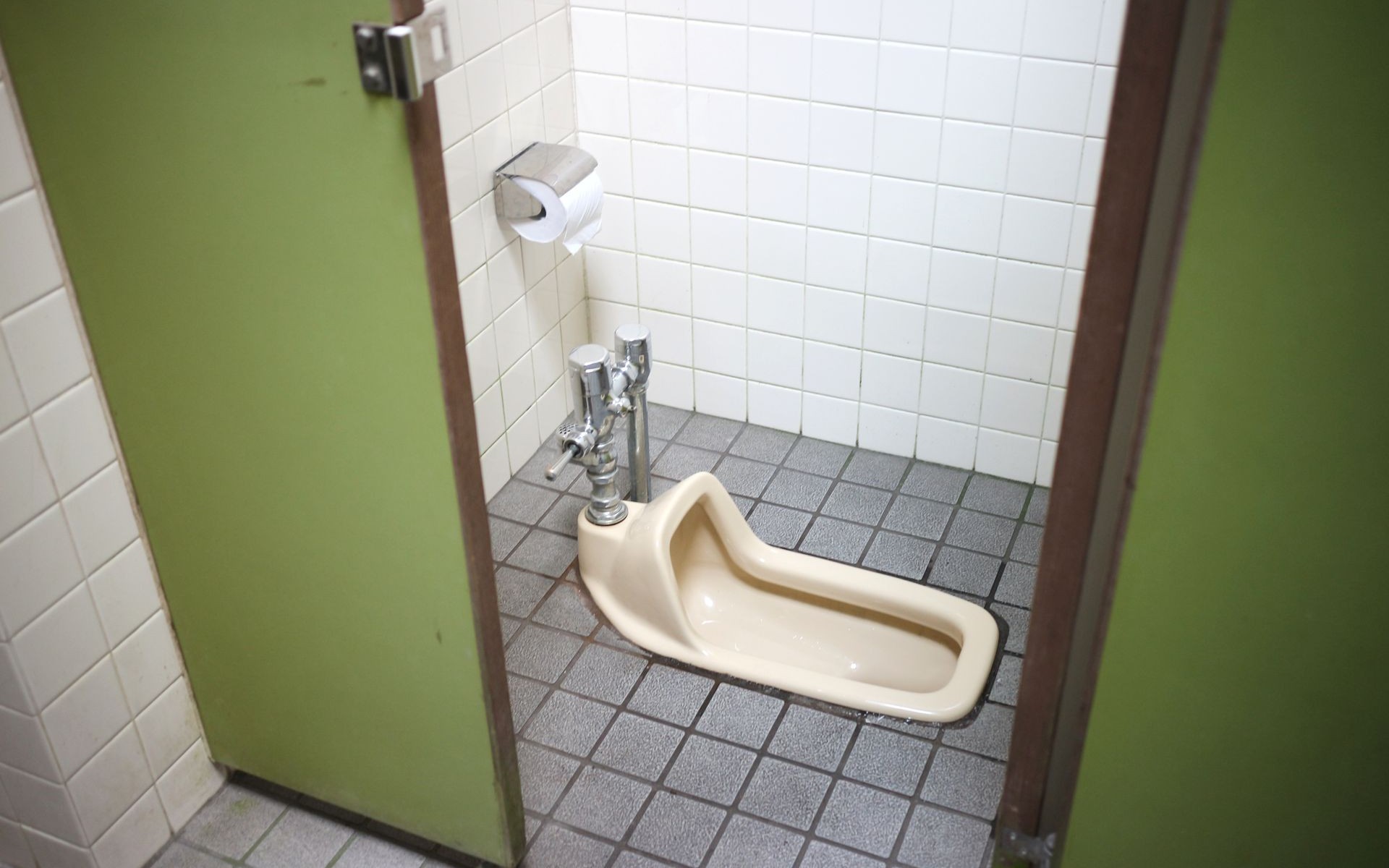
Squat Toilets and Shared Bathrooms: What Homestays Are Really Like
The toilet is the part of a Sapa homestay nobody photographs. Here is what the bathroom is actually like, and the three small things to pack so it never ruins your night.

Booking a Trek Online vs in Town: What Changes
You can book your Sapa trek from home weeks ahead, or walk into an office in Sapa town the day before. Both work. Here is what actually changes with each choice.

Your Luggage While You Trek: Storage Options That Actually Work
You cannot drag a rolling suitcase down muddy terrace steps. Here is where your big bag actually goes while you walk, and what to carry instead.