How Difficult Is Sapa Trekking, Really?
Most Sapa treks are village walks, not mountain climbs, but the difficulty depends on the route you pick. Here is an honest scale, from the easy 12 km valley day to the hard Fansipan summit, and how to tell which one fits you.

Cover photo: Minh Bách Trương via Unsplash.
How Difficult Is Sapa Trekking, Really?
The answer depends on the route, and the range is wider than most first time visitors expect. The classic valley walk from Sapa town through Y Linh Ho and Lao Chai to Ta Van is an easy day walk for a reasonably fit person. The climb to the Fansipan summit, at 3,143 m, is a hard mountain day that belongs in a different category altogether. Most confusion about Sapa difficulty comes from treating those two walks as if they were the same activity. They are not.
Start with the route, not with a general idea of fitness. Pick the right one and the same legs will enjoy every hour of it.
The difficulty scale, route by route
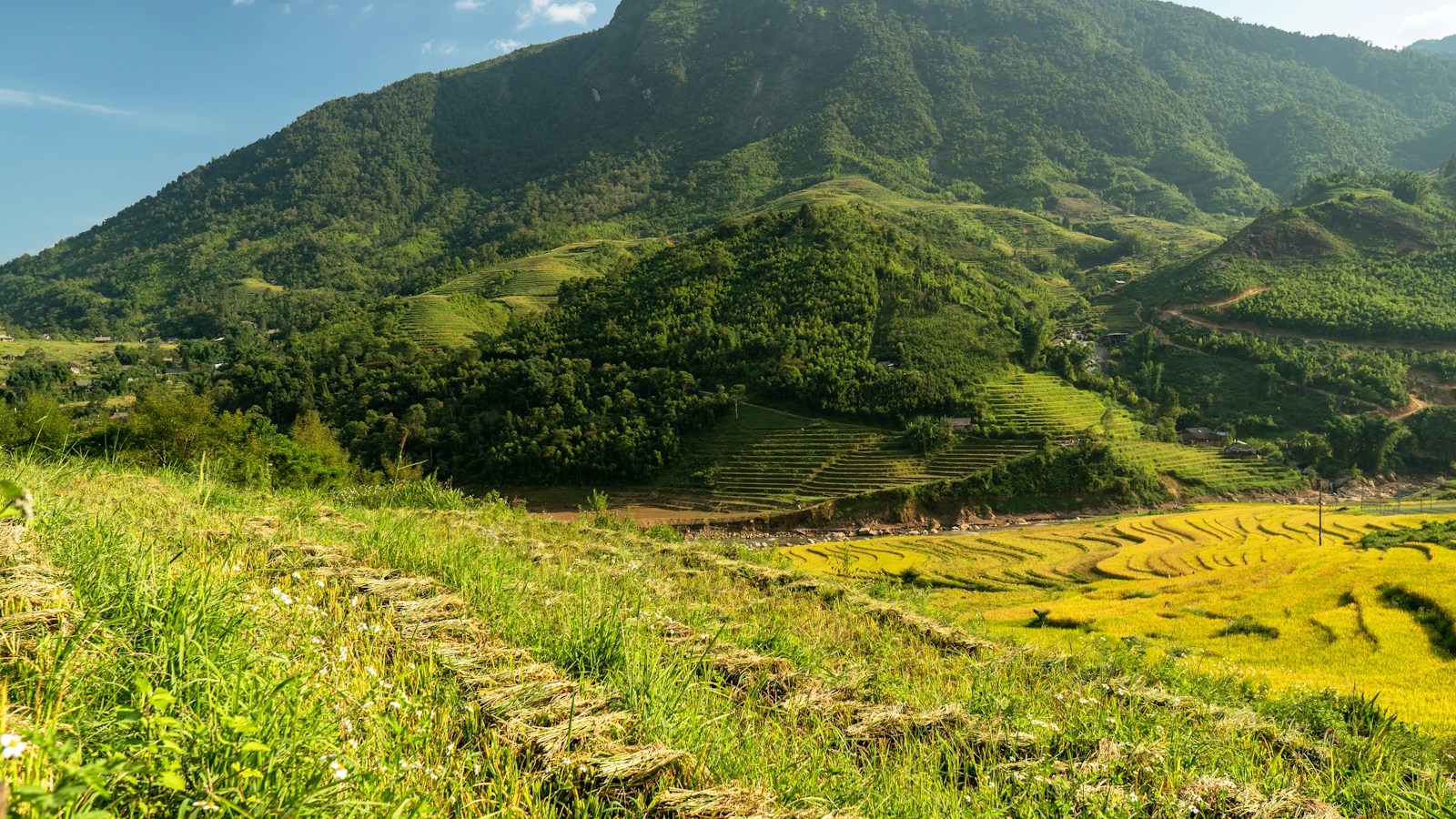
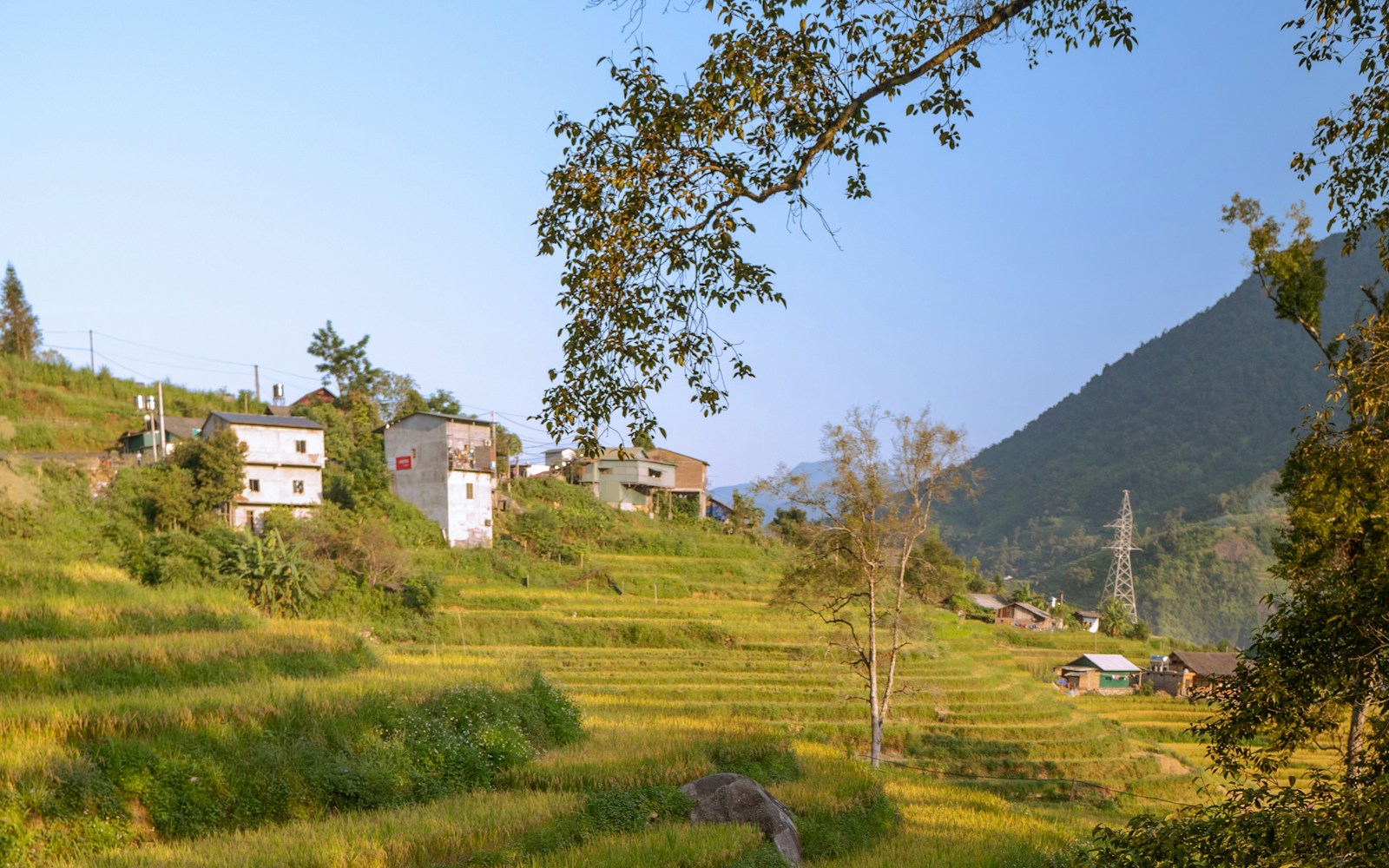
Easy means a valley day with no summit climb. The classic 12 km route from Sapa town to Ta Van takes 6 to 7 hours with stops, and it is mostly downhill and flat. The short Cat Cat and Sin Chai walk, about 7 km, is shorter still and suits a first walk or a family with young children. On an easy route, the challenge is the length of the day on your feet, not steep climbing.
Moderate means higher villages, longer days, or more up and down. The high village routes around Sa Seng, Hang Da, and Hau Thao, and the Ta Van to Giang Ta Chai to Su Pan loop, run 10 to 18 km over one or two days, with climbs between villages and quieter, rougher paths. You need steadier legs and a full day of walking behind you before you try these, but you do not need mountaineering experience.
Hard means Fansipan. The summit trek from Tram Ton climbs 11.2 km uphill to 3,143 m, through cloud forest and bamboo, on steep stone steps. It takes one very long day, or two days with a night on the mountain, and it requires a licensed guide and registration. There is no solo option for Fansipan, and anyone who suggests one is cutting a corner with your safety. If you mean Fansipan when you ask whether Sapa trekking is hard, the answer is yes, and you should train for it.
Source: Denis Sobnakov via Unsplash.
What actually makes a Sapa walk hard
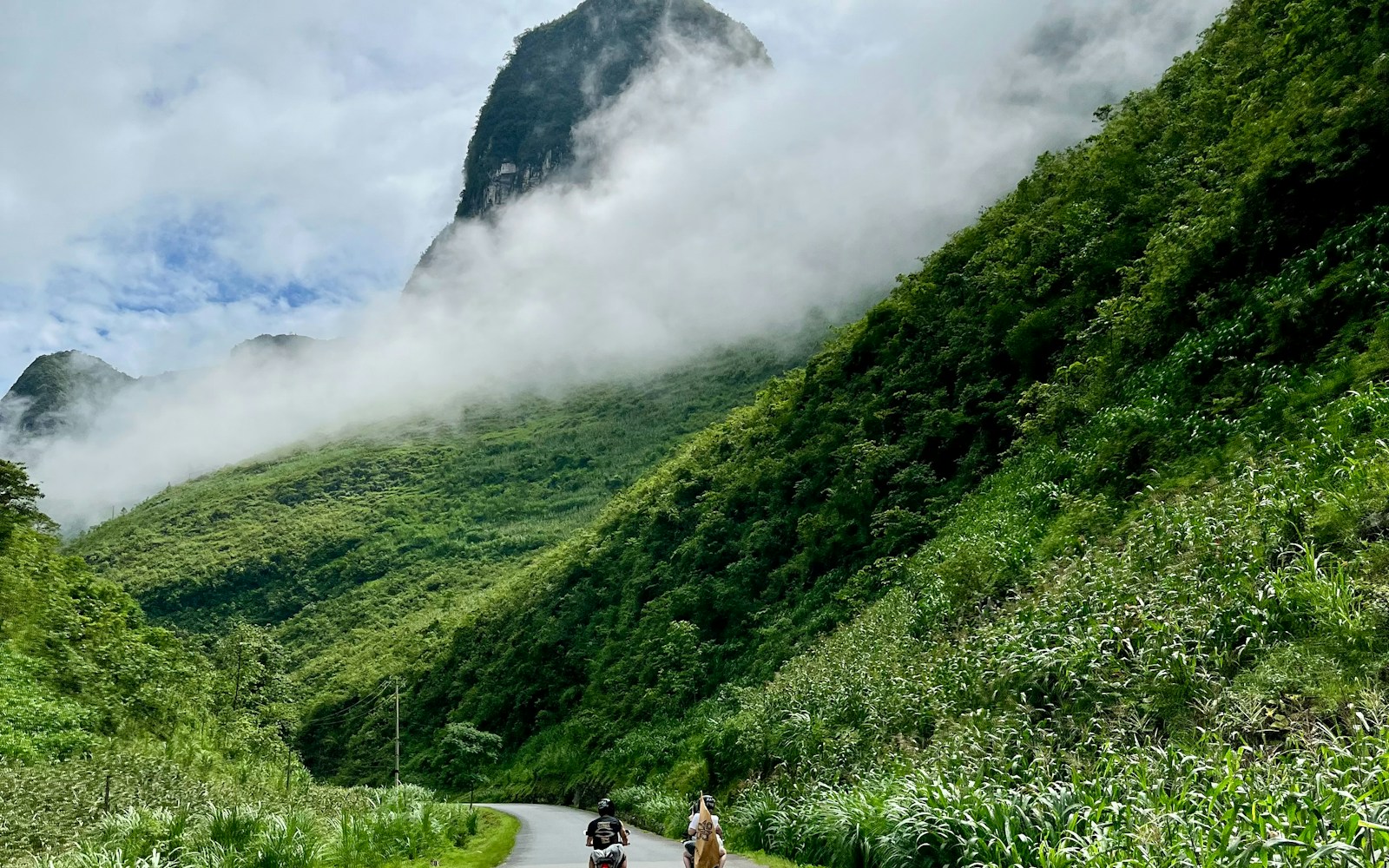
Distance is rarely the hardest part. On the valley routes, the ground under your feet decides how the day feels. Stone steps are uneven, earth paths turn to mud after rain, and narrow concrete lanes between houses are slippery when wet. The first descent from Sapa town to Y Linh Ho is the steepest part of the classic day, and it is downhill, which surprises many walkers. Downhill walking loads the knees and the toes in a way that flat walking does not, and it is the part that leaves legs sore the next morning.
Time on your feet is the second factor. A 12 km valley day sounds modest until you add photo stops, a family lunch in Lao Chai, and the slow pace of a group walking village paths. Six to 7 hours outdoors, with a daypack, in sun or rain, is a full day even for people who walk regularly at home.
Weather is the third factor, and it changes the difficulty more than distance does. Summer rain makes every earth section slick. Winter mornings in Sapa town are cold, and mist can hide the views that make the walk rewarding. Heat in the middle of the day, especially on open terrace sections with little shade, drains energy faster than any climb. A guide who shortens a route in heavy rain is not spoiling your day. That call is what keeps a hard day from becoming a miserable one.
A simple fitness check before you book
You do not need to be an athlete for a valley trek, but a quick self check saves disappointment. If you can walk for three hours at an easy pace with breaks, climb several flights of stairs without stopping for long, and spend a full day outdoors without feeling wiped out, you can do the classic 12 km valley route. If a single flight of stairs leaves you breathless, or a long walk leaves you sore for days, start with the shorter Cat Cat walk, or ask for a private trek at your own pace.
Knees deserve a special mention. Walkers with sore knees often manage flat distance well but struggle on the downhill start of the classic route. Tell your guide honestly before you start, not halfway down the steps. A slower descent, walking poles, and extra breaks help far more than pushing through pain to keep up with a group. The same honesty applies the other way: strong walkers who want a harder day should say so too, so the guide can pick a route with more climbing.
Source: ruben snuverink via Unsplash.
How to make any route easier
Start early. Morning mist often clears by mid morning, and an early start leaves a comfortable margin for the afternoon, so the last hour is never a rush. Wear shoes with real grip, not smooth soled trainers, because grip matters more than fitness on wet steps. Carry water, a rain layer, and a small daypack, and leave the heavy bag behind: on a trek that ends in Ta Van, your main bag can travel to the homestay by road.
Walk slowly on the descent, especially the first hour out of Sapa town. Slow, steady steps beat rushing, and they save the knees for the rest of the day. Change socks if your shoes got wet, refill water at the lunch stop, and eat properly at midday instead of skipping lunch to save time.
So, which route fits you?
If you walk regularly and want the classic Sapa day, the 12 km valley route to Ta Van is the right difficulty: a full, satisfying day. If you rarely walk, or you are walking with young children or older relatives, start shorter, go private, and let the guide set a pace that leaves energy for dinner. If you want a challenge, train for Fansipan and book the summit trek as the mountain day it is, not as an extension of a valley walk.
Source: Denis Sobnakov via Unsplash.
Difficulty in Sapa is not a single label. It is a choice between a gentle valley day, a longer high village walk, and a hard summit climb, and the right choice is the one that matches your legs, your knees, and the weather on the day. Choose honestly, and Sapa gives you a walk you will remember for the terraces and the villages, not for the soreness.
Your next step
Read our Sapa trekking pillar page for the full comparison of all five routes, from easy to hard, and see the classic 1-day Y Linh Ho, Lao Chai, Ta Van trek for the easy valley day described here. If you would rather talk it through first, message Cloud Valley on WhatsApp or Zalo for a per-group quote and advice on which route fits your group.
Walk it with us
Every route in these guides ends at Cloud Valley. Sleep where the trail ends, not back in town.
Sapa Trekking Guide · 1 Day Valley Trek · 2 Day Homestay Trek
More guides
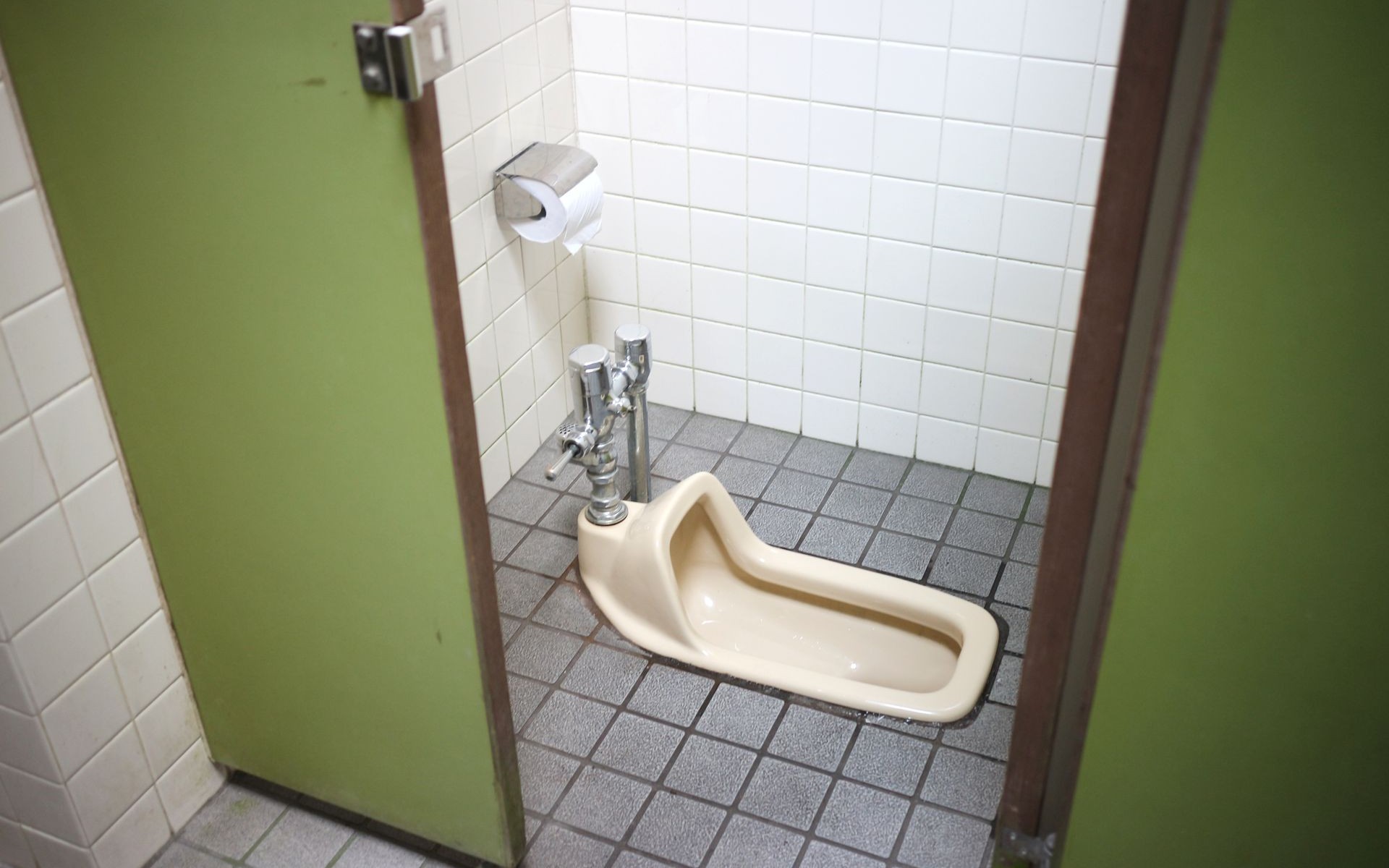
Squat Toilets and Shared Bathrooms: What Homestays Are Really Like
The toilet is the part of a Sapa homestay nobody photographs. Here is what the bathroom is actually like, and the three small things to pack so it never ruins your night.

Booking a Trek Online vs in Town: What Changes
You can book your Sapa trek from home weeks ahead, or walk into an office in Sapa town the day before. Both work. Here is what actually changes with each choice.

Your Luggage While You Trek: Storage Options That Actually Work
You cannot drag a rolling suitcase down muddy terrace steps. Here is where your big bag actually goes while you walk, and what to carry instead.