The "Entrance Fee" on the Path: What Is Real and What Is Not
Someone stops you on a Sapa trail and asks for an entrance fee. Sometimes that fee is real. Sometimes it is not. Here is how to tell the difference before you hand over any cash.

Someone steps onto the path in front of you, holds out a hand, and asks for an entrance fee. You are halfway between two villages, there is no booth, no sign, and no ticket in sight. You have no idea whether this is official or not.
Here is the short answer: on the valley trails between Sapa villages, there is no entrance fee. A real fee is collected at a real entrance, with a booth and a ticket. Cash demanded on an open path is not one.
Where a real fee exists
A few places around Sapa do charge visitors, openly. Cat Cat village, just outside Sapa town, has a proper entrance with a ticket booth, and you pay there before you walk in. That is what a real fee looks like: a fixed point and a ticket you can hold.
The valley walks most trekkers do, down through Lao Chai and into Ta Van, work differently. Those are working paths between villages, used every day by the people who live there. Nobody pays to walk them.

Source: Gia via Pexels. Heaven Gate in Sapa, a marked gate on the mountain road, shown as an illustration of a real entrance.
What the shakedown looks like
The version to watch for is simple. A person stands on the path and asks for money to continue. There is no booth, no uniform, no printed ticket, and no sign saying what the fee is for. The amount may change when you hesitate. That is the tell: a real fee is the same for everyone.
It usually happens on the busier stretches. It is a request you can decline, and most trekkers who decline simply walk on.

Source: 50k.jpe via Pexels. A Hmong woman carrying vegetation on a dirt path in Lao Cai, Vietnam, shown as an illustration of the people who use the village paths every day.
What to do in the moment
Do not hand over cash on the path. If someone asks, the calm answer is a polite no and to keep walking. You do not need to explain yourself, and you do not need to negotiate. A smile and a short "no, thank you" is enough.
If you are with a guide, let the guide handle it. A local guide knows who is official and who is not, speaks the language, and can settle the question in a few words. Walking without a guide, the rule still holds: a fee with no booth and no ticket is not a fee you have to pay.
One exception: some places do collect a small fee at a marked entrance, and refusing that one is just refusing to enter. If there is a booth, a sign, and a ticket, pay it. If there is only a person and an outstretched hand, you are being asked, not charged.
Before you set out
Ask your guide, or the person who booked your trek, one question the evening before: are there any entrance fees on tomorrow's route, and where are they collected? The answer takes ten seconds. You will know in advance which stops charge, so nobody on the path can surprise you.
If you do pay a real fee, keep the ticket. It is your proof if anyone else asks further down the path: you already paid, here is the ticket.
The 2 day Ta Van homestay trek is the walk this is written for: two days in the valley, one night in Ta Van. Read the full Sapa trekking guide, then message the house on WhatsApp or Zalo.
Walk it with us
Every route in these guides ends at Cloud Valley. Sleep where the trail ends, not back in town.
Sapa Trekking Guide · 1 Day Valley Trek · 2 Day Homestay Trek
More guides
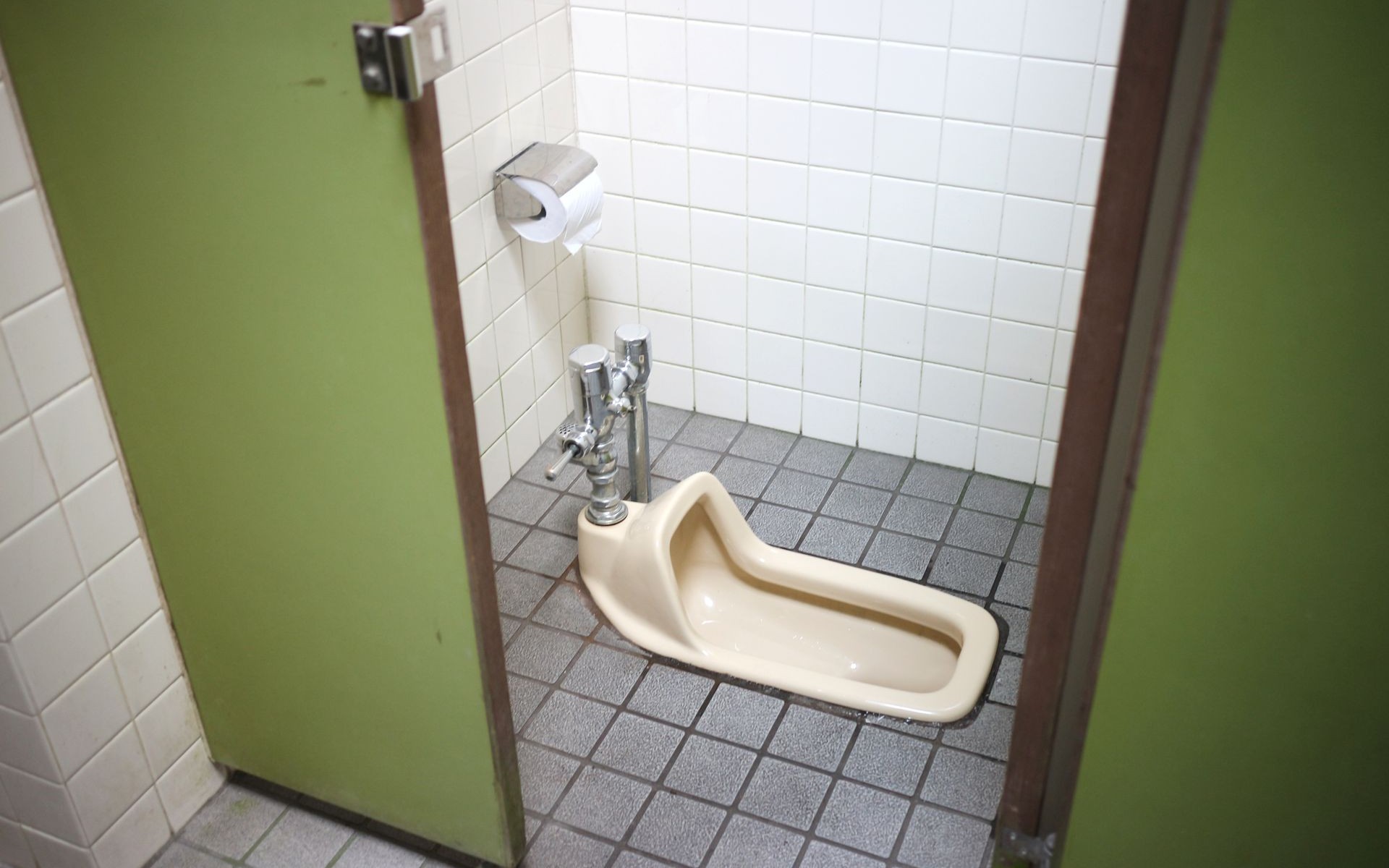
Squat Toilets and Shared Bathrooms: What Homestays Are Really Like
The toilet is the part of a Sapa homestay nobody photographs. Here is what the bathroom is actually like, and the three small things to pack so it never ruins your night.

Booking a Trek Online vs in Town: What Changes
You can book your Sapa trek from home weeks ahead, or walk into an office in Sapa town the day before. Both work. Here is what actually changes with each choice.

Your Luggage While You Trek: Storage Options That Actually Work
You cannot drag a rolling suitcase down muddy terrace steps. Here is where your big bag actually goes while you walk, and what to carry instead.