Altitude in Sapa: Will You Feel It, and What Helps
Sapa town sits around 1,500 metres, the valley lower, Fansipan above 3,000. Most trekkers feel the climbs in their legs and lungs, not true altitude sickness. Here is what to actually expect, and what helps.
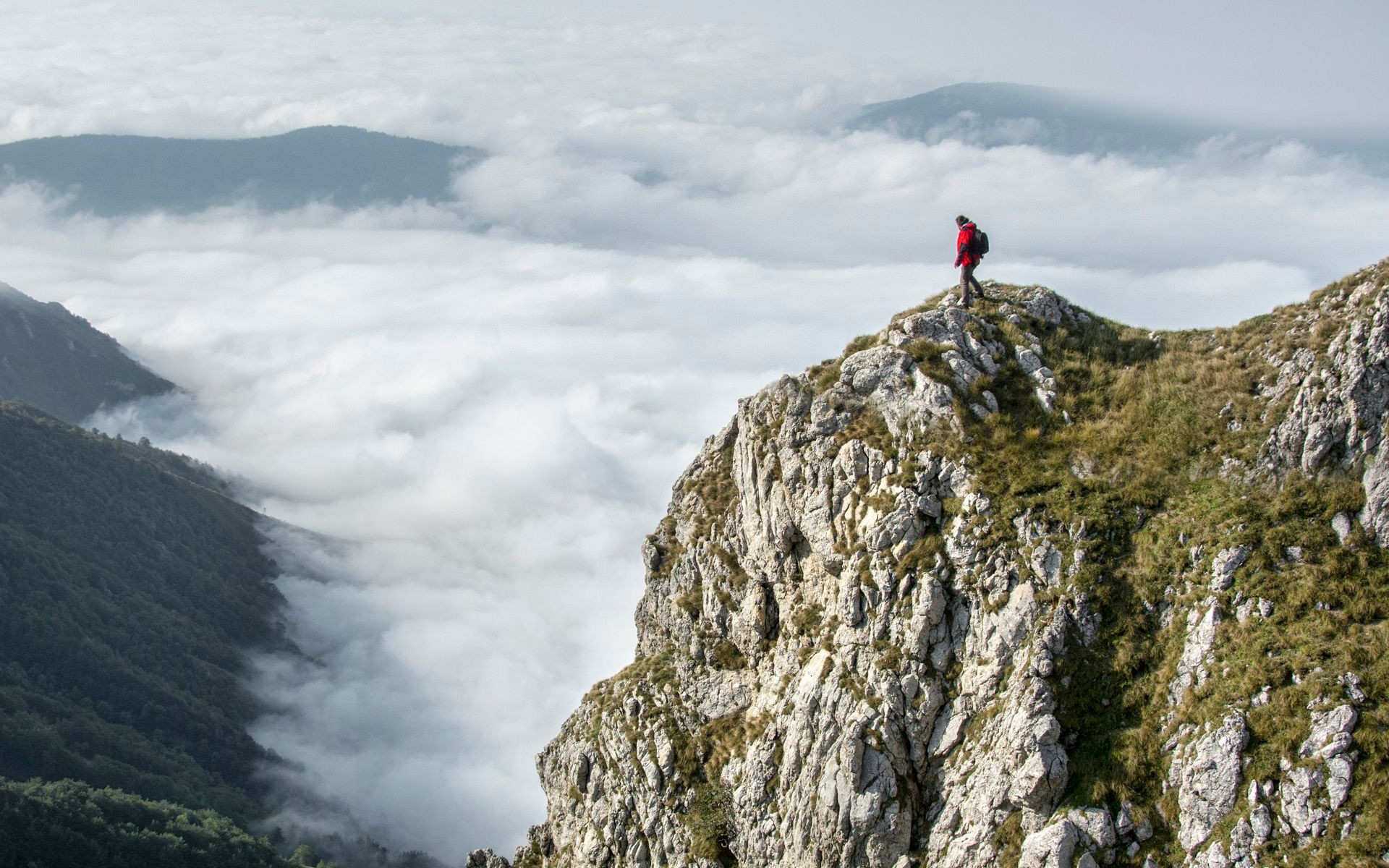
You will feel the climbs in Sapa. What you almost certainly will not feel is altitude sickness.
Sapa town sits around 1,500 metres above sea level. The valley villages below it, Lao Chai and Ta Van, sit lower, around 1,000 metres. That is high enough for the air to feel thinner than at sea level, and high enough for a steep climb to leave you breathing hard, but it is well below the height where true altitude sickness normally starts, which is around 2,500 metres.
So if you arrive from sea level and feel puffed on the first hill out of town, that is not altitude sickness. That is a steep, humid climb with a backpack on. It happens to fit people too, and it passes.
What it actually feels like
On a normal valley trek, the feeling is simple: your legs work harder than you expected, your breathing gets loud on the climbs, and you want to stop more often than you planned. None of that is dangerous. It is your body doing honest work on a steep path.
The one exception is Fansipan. The summit stands at 3,147 metres, above the line where mild altitude symptoms can appear: a headache, light nausea, or broken sleep the night before the summit. A valley trek does not take you anywhere near that height.
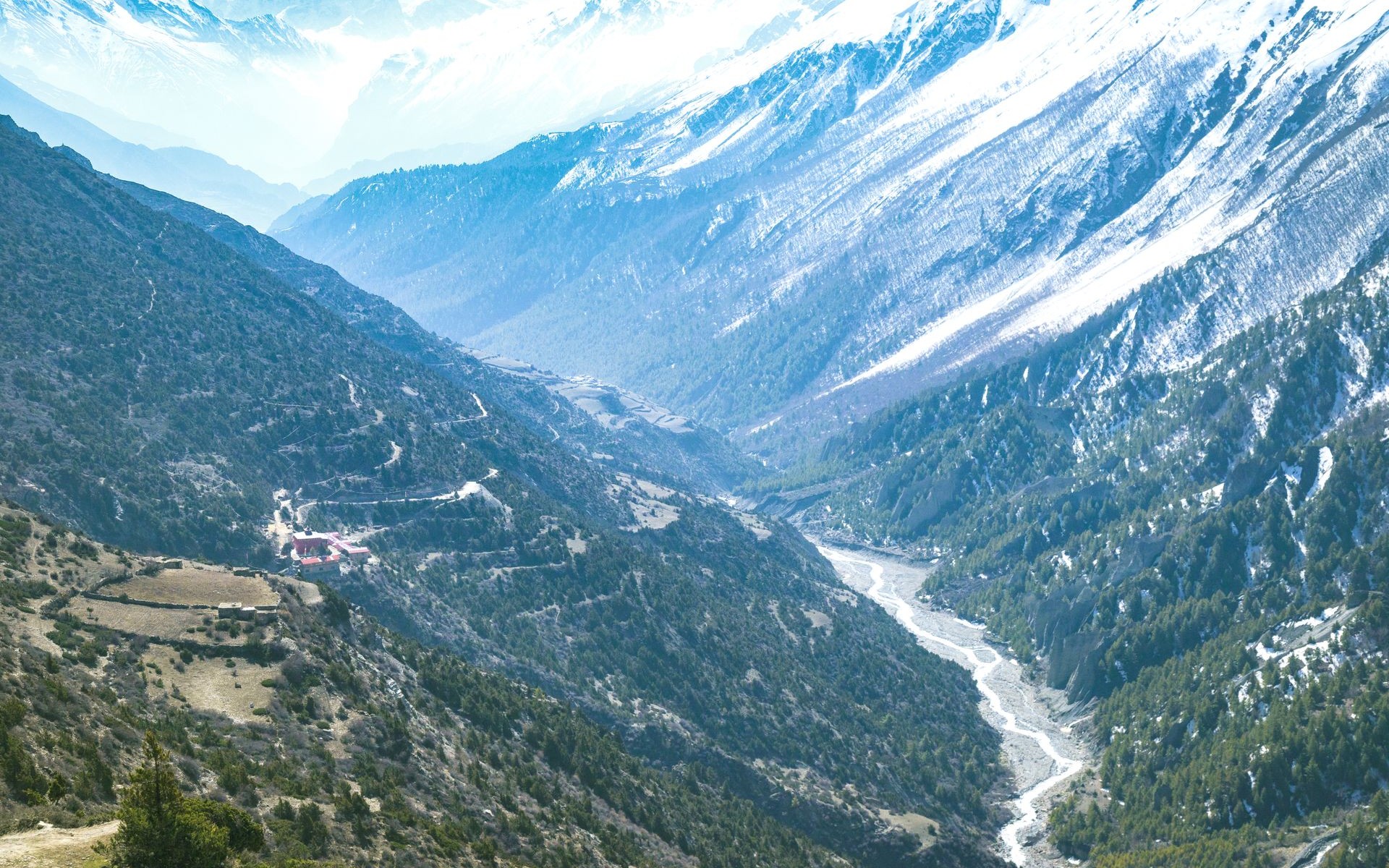
Source: Ashok J Kshetri via Pexels. The Manang valley in Nepal, shown as an illustration of high mountain country, not Sapa.
What helps on the climbs
Slow down before you need to. Walk at a speed where you can still talk in short sentences. When you cannot, stop, breathe, and let your heart rate settle before you go on.
Drink water often, in small amounts, rather than waiting until you are thirsty. Sapa's humidity makes you sweat more than you notice, and dehydration makes every climb feel harder. Sip at every rest.
Eat properly at breakfast and lunch: a trekker who skips breakfast will feel it by the second climb of the morning. Sleep matters too. If you arrived on a night bus, your first day will feel harder than it should, because you are tired, not because you are high. A slow first morning is the honest fix.
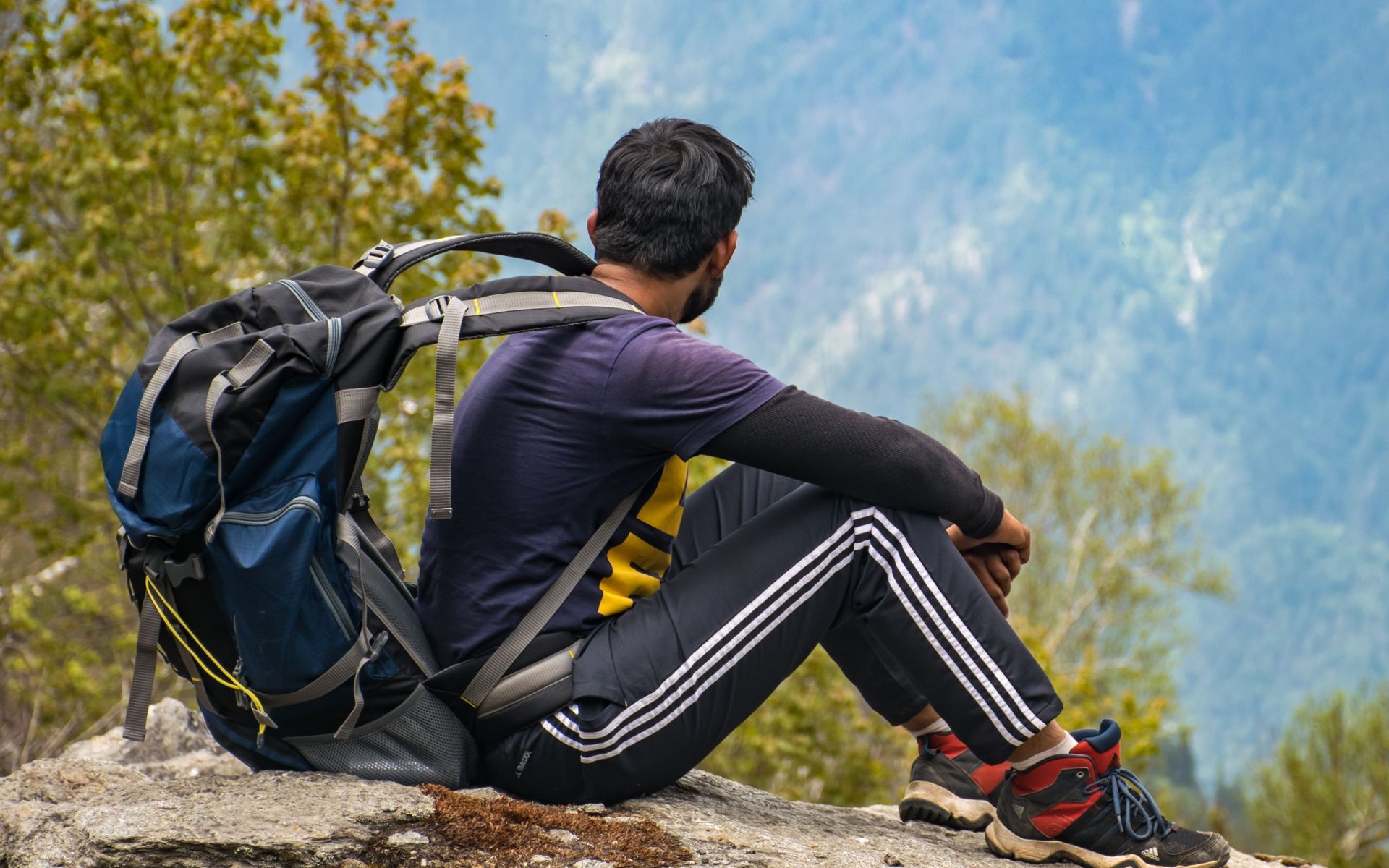
Source: Guduru Ajay bhargav via Pexels. A hiker resting on a rock with his backpack; the Pexels page states no location, so none is claimed.
When to worry, and what to do
On a valley trek, worry only if something feels wrong in a way that does not match tired legs. A headache that will not lift after rest and water, nausea, or dizziness on flat ground are worth telling your guide about at once. Guides see this rarely in the valley.
If you are heading for Fansipan, the rules change. Climb slowly, and tell your guide about any headache or nausea early, while it is still mild. Do not push on to the summit hoping it passes. Coming back down is the treatment.
If you take medicine for blood pressure, asthma, or a heart condition, bring it, tell your guide you carry it, and ask your doctor before the trip whether a climb to 3,147 metres suits you. A valley trek is a different question from a Fansipan summit, and your doctor is the one to answer the second one.
The honest summary: in the valley, the altitude is a fact, not a problem. The climbs are steep, the air is thinner than home, and a slow pace with water and food covers nearly everything. Save your worry for Fansipan, and climb that one the slow way.
The 2 day Ta Van homestay trek is the walk this is written for: two days in the valley, one night in Ta Van. Read the full Sapa trekking guide, then message the house on WhatsApp or Zalo.
Walk it with us
Every route in these guides ends at Cloud Valley. Sleep where the trail ends, not back in town.
Sapa Trekking Guide · 1 Day Valley Trek · 2 Day Homestay Trek
More guides
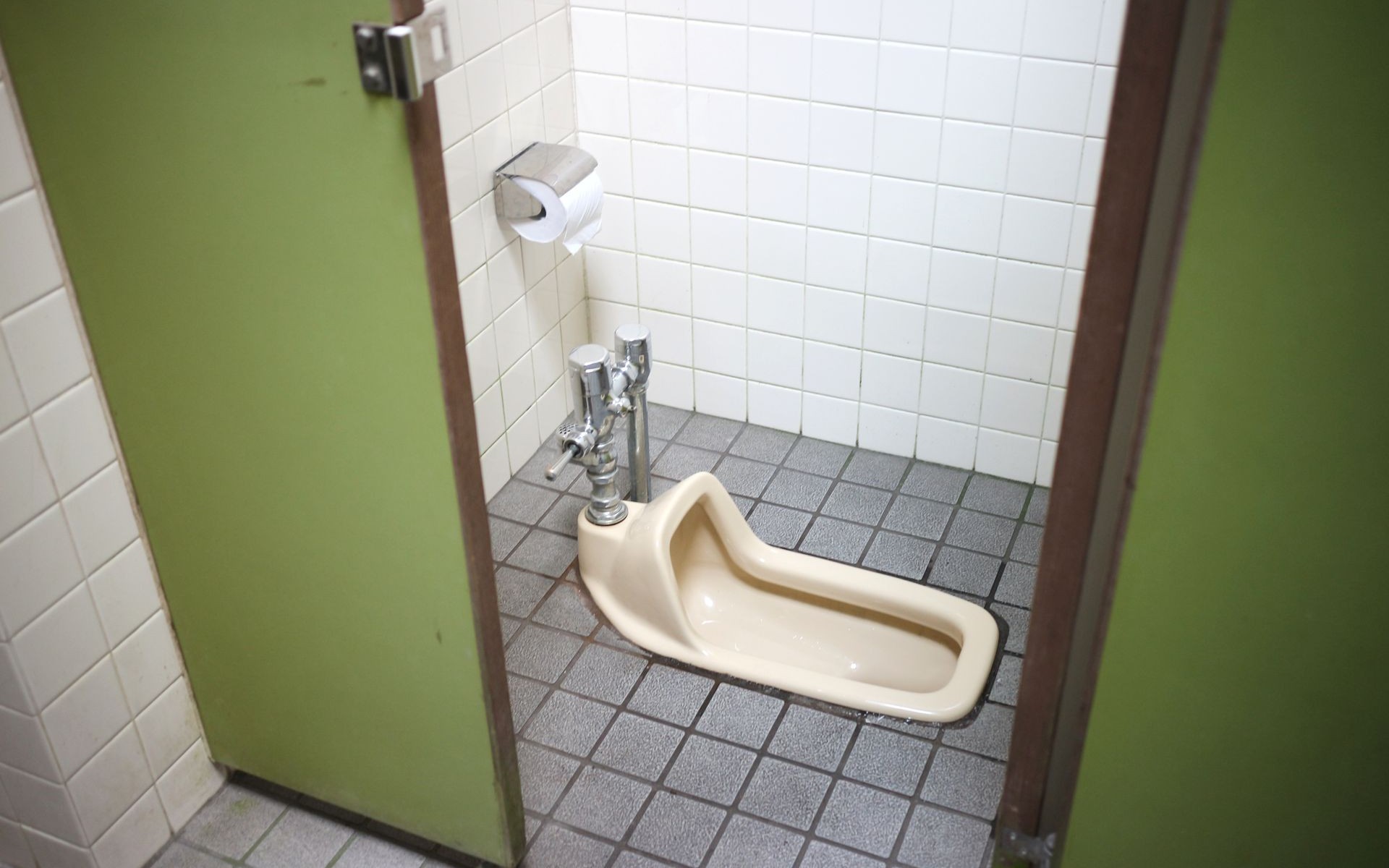
Squat Toilets and Shared Bathrooms: What Homestays Are Really Like
The toilet is the part of a Sapa homestay nobody photographs. Here is what the bathroom is actually like, and the three small things to pack so it never ruins your night.

Booking a Trek Online vs in Town: What Changes
You can book your Sapa trek from home weeks ahead, or walk into an office in Sapa town the day before. Both work. Here is what actually changes with each choice.
Your Luggage While You Trek: Storage Options That Actually Work
You cannot drag a rolling suitcase down muddy terrace steps. Here is where your big bag actually goes while you walk, and what to carry instead.