Sick or Hurt on a Sapa Trail: What Actually Happens Next
You twist an ankle or feel sick halfway down a Sapa valley path. Tell your guide straight away. Minor problems mean rest and a slower walk. Serious ones mean a motorbike to the road and a ride back to Sapa town.
Sick or Hurt on a Sapa Trail: What Actually Happens Next
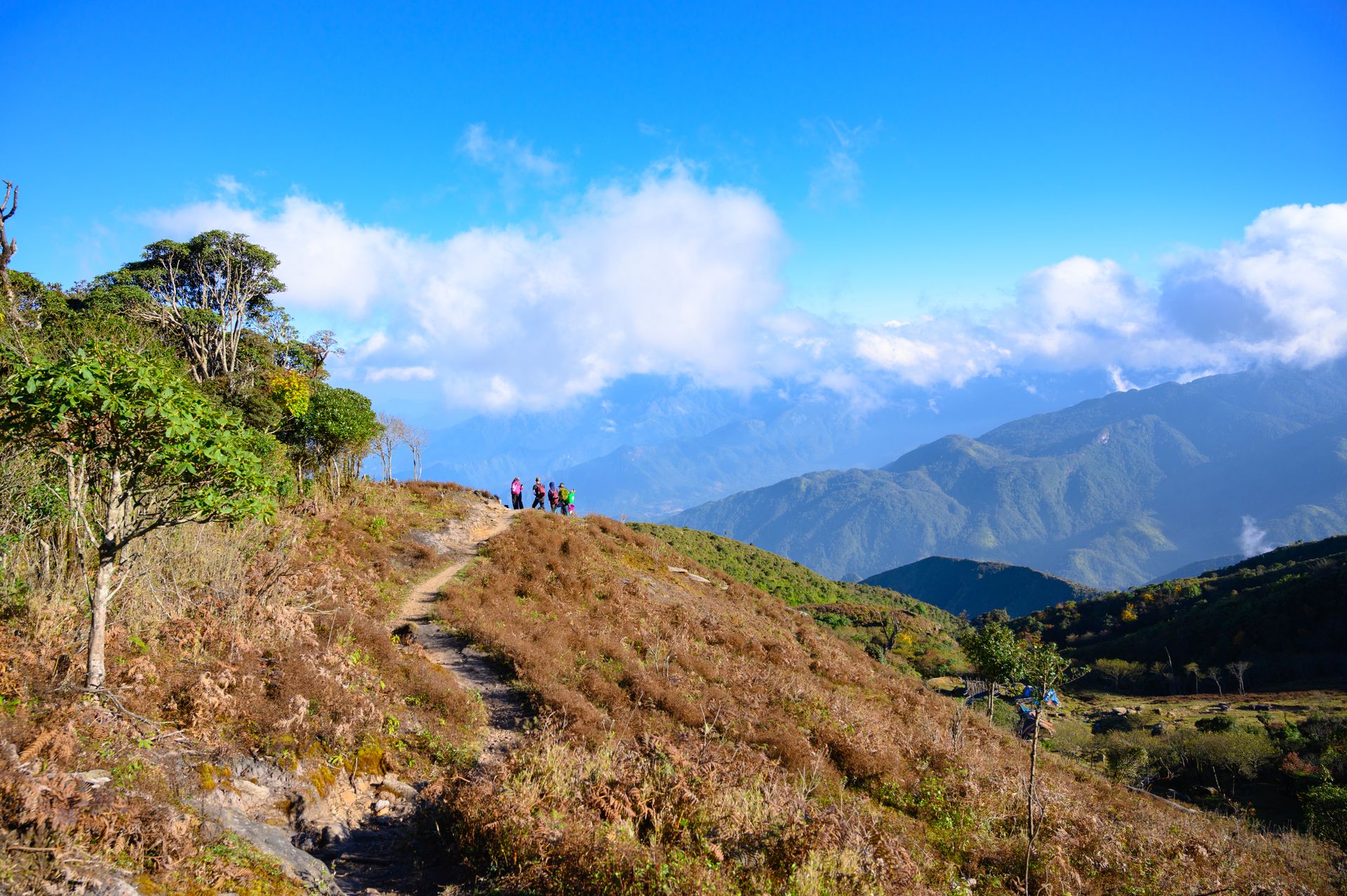
Cover photo: Manh Pham via Pexels, hikers on a mountain trail in Lao Cai, Vietnam.
You are halfway down a valley path when your ankle twists on a wet stone, or your stomach turns after lunch. The path ahead looks long, and you wonder what happens now. The short answer: tell your guide immediately, and let the guide decide the next step. Trekkers get into trouble by walking on in silence, not by stopping early.
Tell your guide straight away
Do not wait to see if it passes. A twisted ankle, a bad blister, dizziness, or stomach trouble all change the plan. Describe exactly what happened and what hurts.
For a minor problem, the usual answer is rest, not rescue. Sit down, drink water, and let your guide look at the ankle or blister. A twisted ankle often means a slower walk with more breaks, or a shorter route to the next village. A blister means tape, a change of socks, and a steadier pace.
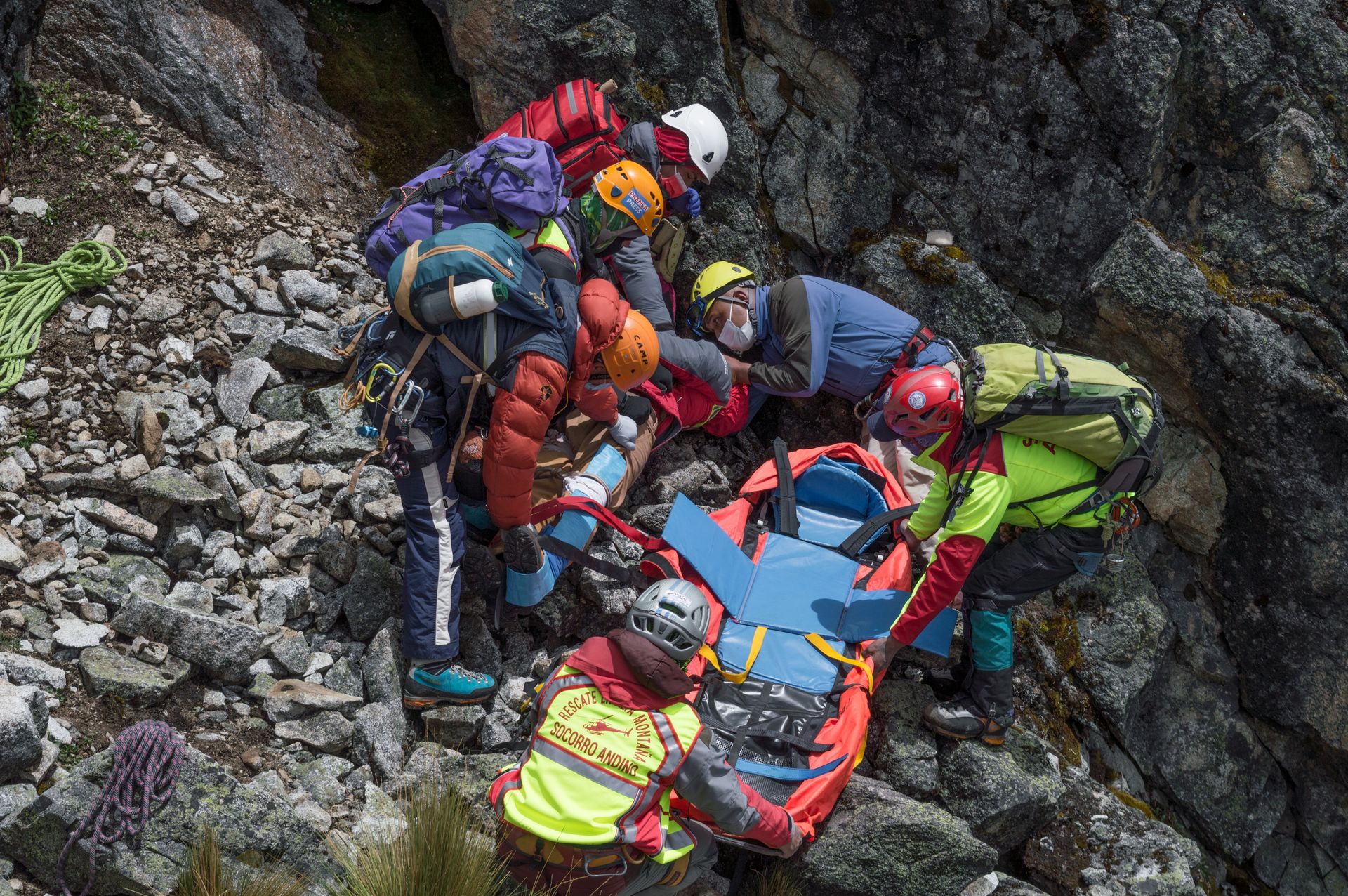
Source: Roman Apaza via Pexels, a rescue team assisting an injured hiker on a rocky mountainside. This photo shows a mountain rescue elsewhere, not a Sapa village path.
When walking on stops being sensible
Some signs mean the walk is over for the day. If you cannot put weight on a foot, feel faint, vomit more than once, or have pain that gets worse as you walk, say so plainly. A good guide will not push you on. Turning back is not failure.
Your guide will then work out the nearest way out. That is usually not the way you came. The shortest exit is often forward to the next village, where a road or a motorbike can reach you. Follow the guide on this.
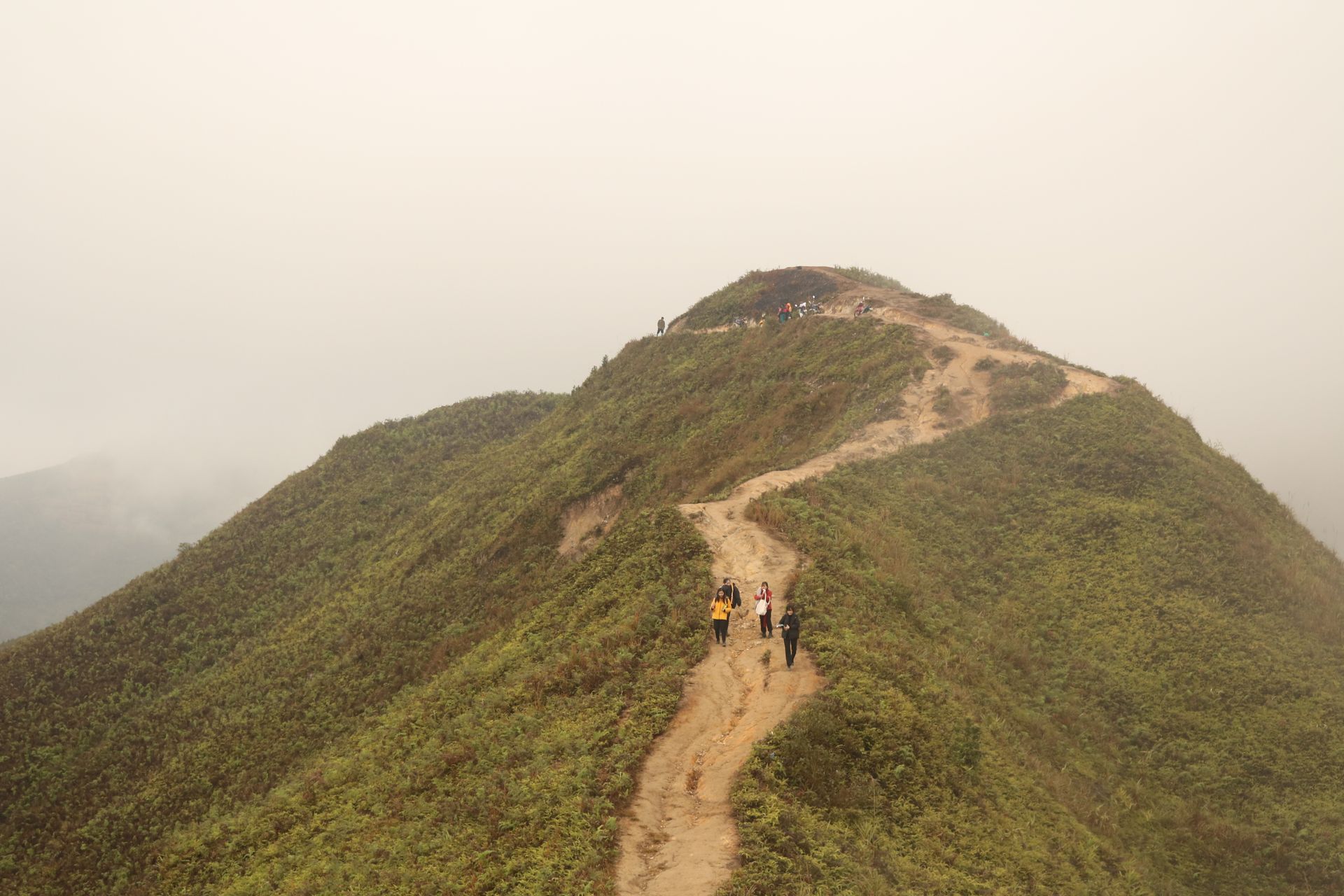
Source: Hoàng Huy via Pexels, hikers on a mountain trail in Son La, Vietnam, not Sapa.
How you actually get back to town
There is no ambulance waiting on a terrace path. The usual chain is simple. Your guide helps you to the nearest village or road, often slowly on foot. From there, a motorbike or car takes you to Sapa town, where you can see a doctor and decide whether to rest or change your travel plans.
This is why a local guide matters so much. The guide knows the shortcuts, knows who in the village has a motorbike, and can phone ahead while you rest. If you trek without a guide, tell your homestay host your route and expected return time before you leave.
What to carry so a bad day stays manageable
Pack a small first aid kit: plasters, blister tape, pain relief you normally use, any regular medication, and a bandage for an ankle or knee. Carry water and a snack, because a forced wait on a path is much harder when you are hungry and thirsty. Keep your phone charged, but do not count on signal in every valley. Tell your guide about any medical condition or allergy before the trek starts, not after something goes wrong. Also carry your travel insurance details, on your phone and on paper.
Your next step
Getting sick or hurt on a Sapa trail is usually an interrupted walk, not an emergency. The system that gets you out is your guide, a village road, and a ride to Sapa town. Tell your guide early, accept a slower pace or an early finish, and the problem ends with rest in town.
Read our Sapa trekking pillar page, and see the classic 1-day Y Linh Ho, Lao Chai, Ta Van trek or the 2-day Ta Van homestay trek. Message Cloud Valley on WhatsApp or Zalo for a quote.
Walk it with us
Every route in these guides ends at Cloud Valley. Sleep where the trail ends, not back in town.
Sapa Trekking Guide · 1 Day Valley Trek · 2 Day Homestay Trek
More guides
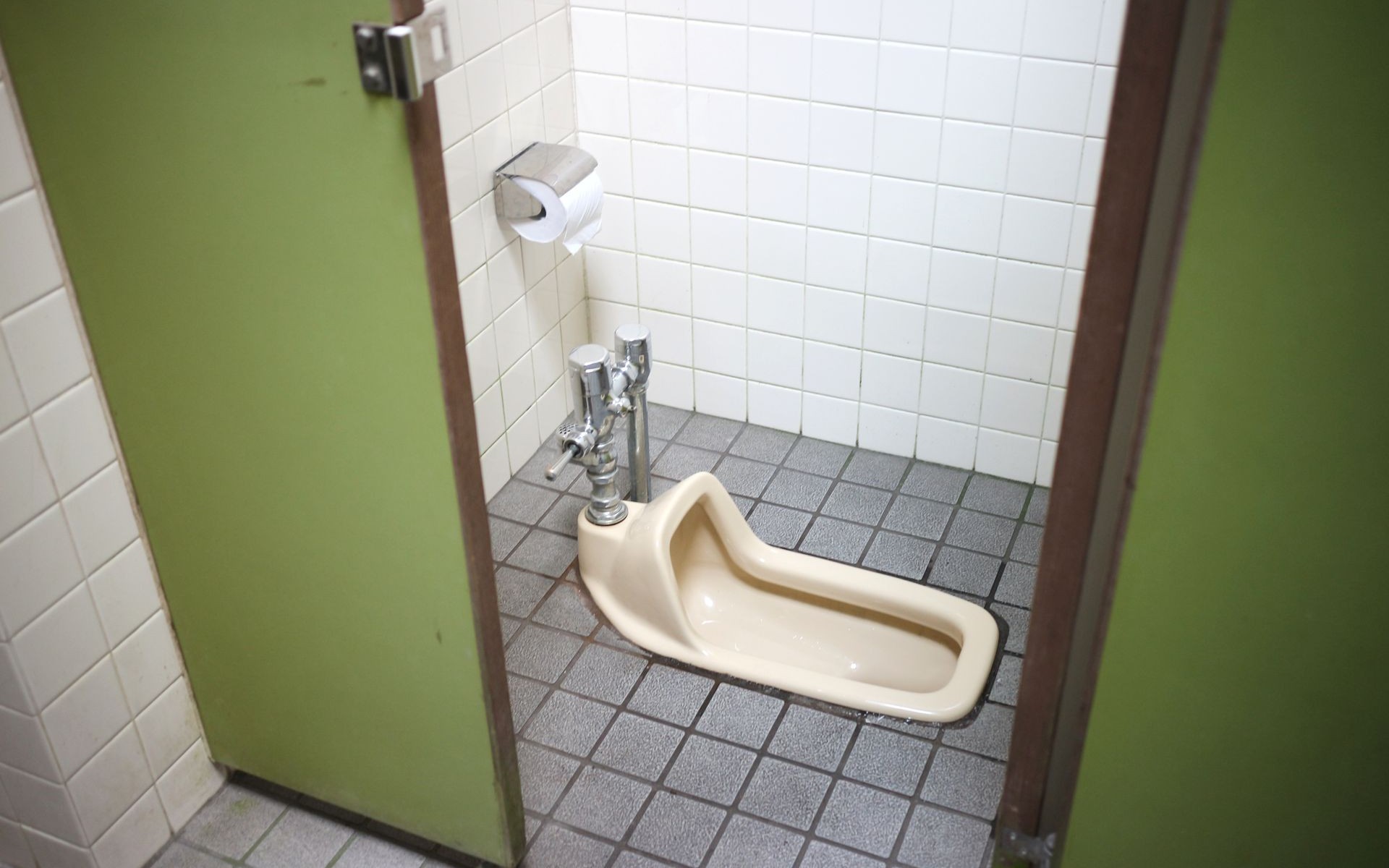
Squat Toilets and Shared Bathrooms: What Homestays Are Really Like
The toilet is the part of a Sapa homestay nobody photographs. Here is what the bathroom is actually like, and the three small things to pack so it never ruins your night.

Booking a Trek Online vs in Town: What Changes
You can book your Sapa trek from home weeks ahead, or walk into an office in Sapa town the day before. Both work. Here is what actually changes with each choice.

Your Luggage While You Trek: Storage Options That Actually Work
You cannot drag a rolling suitcase down muddy terrace steps. Here is where your big bag actually goes while you walk, and what to carry instead.