Motorbike Taxis at the Trailhead: How to Avoid a Bad Deal
A motorbike taxi at the trailhead can save you a long walk back to town, or it can turn into an argument about the fare. Agree the price before you get on, and the ride is simple.
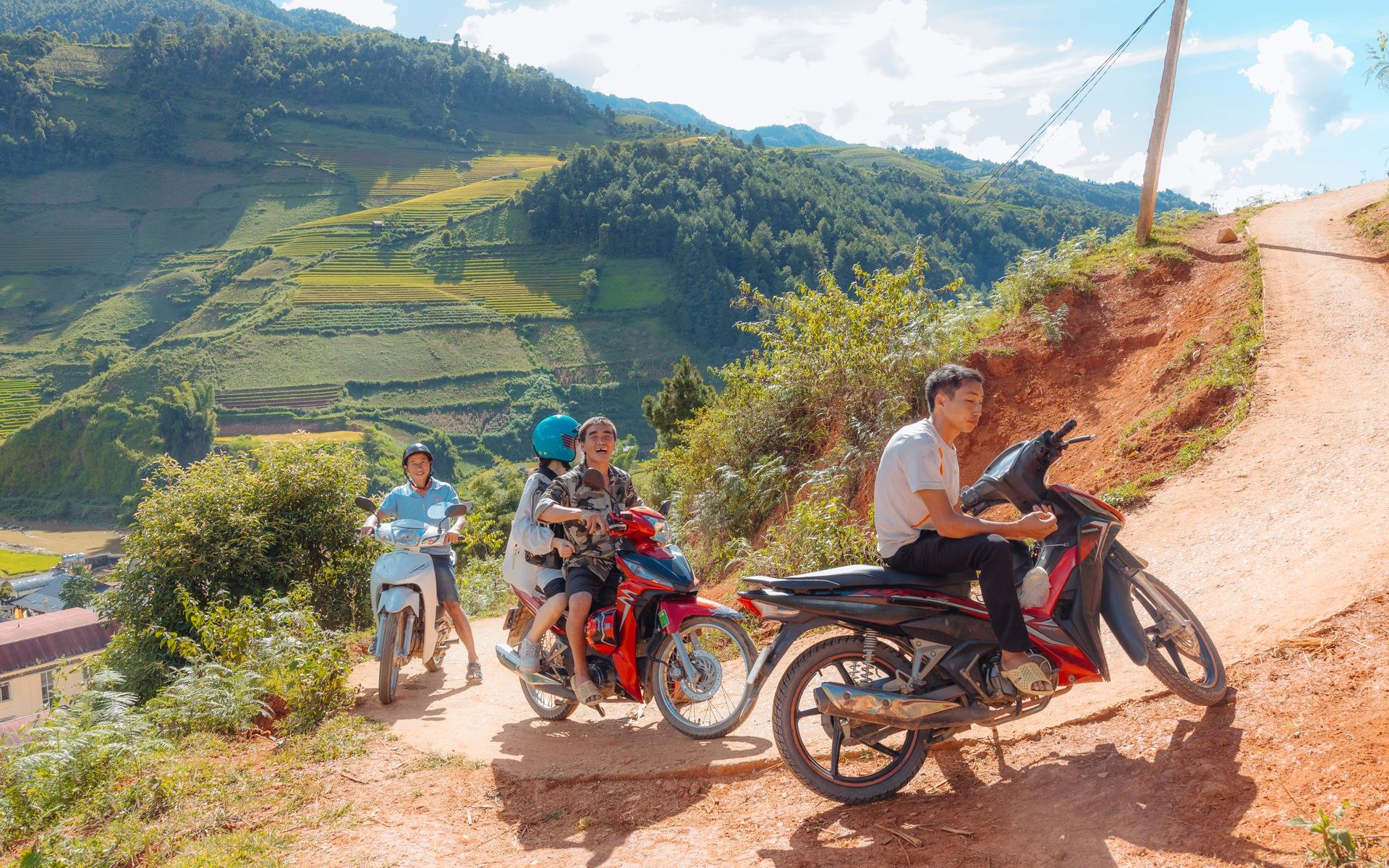
You step off the trail at the end of a long day, muddy and tired, and three drivers are waiting by their bikes. One calls out a price before you have even said where you are going. You nod, climb on, and halfway to town the price has changed.
That is the whole problem, and it is easy to avoid. Agree the fare before you get on the bike, in dong, for the ride to the place you name. Once you are sitting on the back, you have lost your leverage.
Where you will meet them
Xe om, the Vietnamese word for a motorbike taxi, wait wherever trekkers appear: at trailheads above the valley, at the edge of villages, and on the road back into Sapa town. After a valley walk that ends away from town, a bike is often the quickest way back. Your guide or homestay host can also call one for you, with the price agreed through someone you trust.
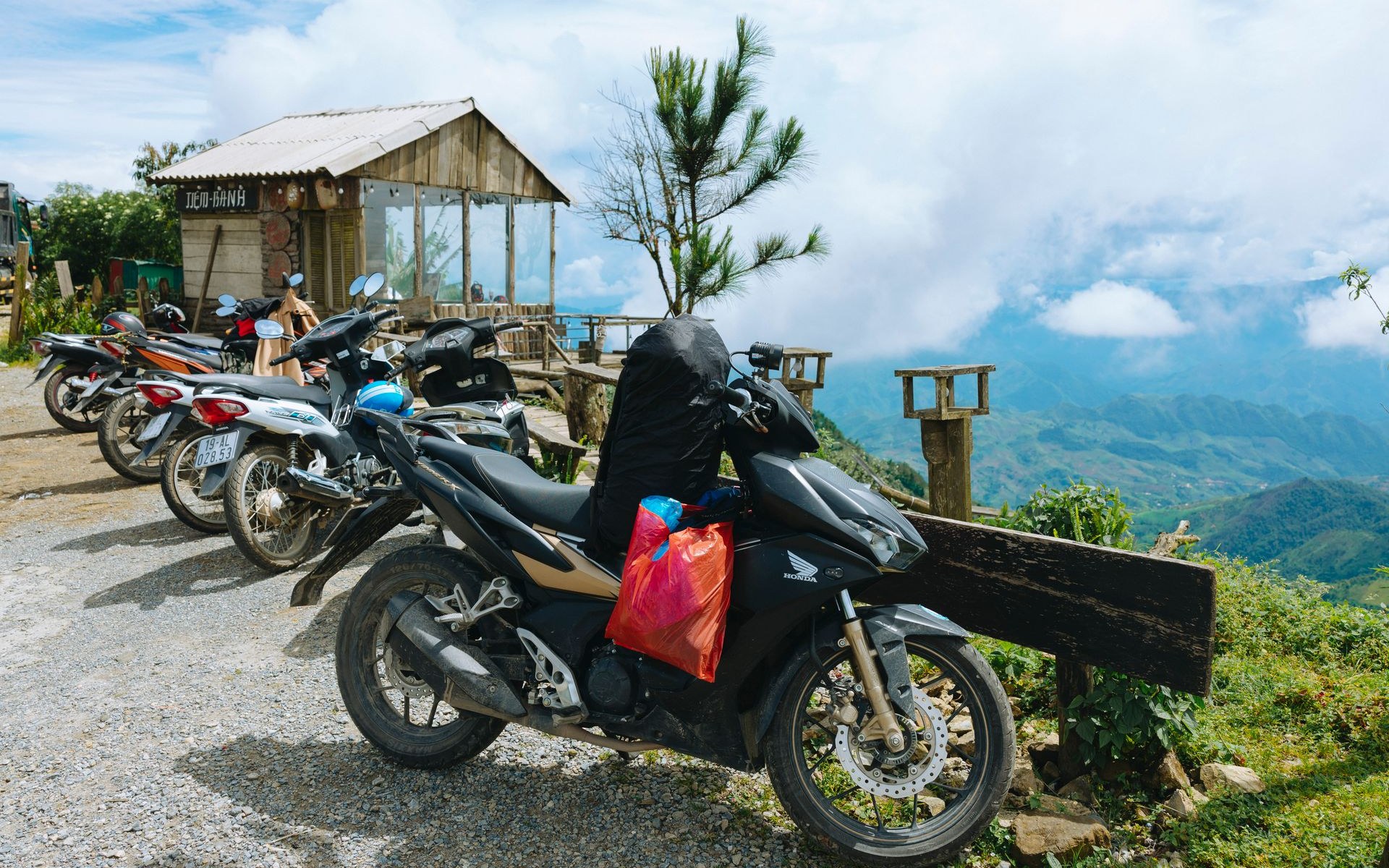
Source: HONG SON via Pexels. Motorbikes parked at a mountain rest stop in Vietnam, shown as an illustration of bikes waiting at a roadside stop, with no location claimed as Sapa.
Agree it before you get on
Say the destination first, by name. "Ta Van to Sapa town" is a destination. "Back to town" is not, and a vague destination is how a fare grows on the way. Then agree the price in dong, out loud, before you touch the bike. If the driver will not name a price until you are seated, walk to the next bike.
Check what the price covers: one price for the ride, or per person? Does it include your backpack? Ask it all in one short exchange, while your feet are still on the ground. A driver with a fair price answers straight away. One who is testing you will stall, wave a hand, and say "okay, okay, get on."
Carry small notes. A driver who has to find change for a large note at the end of a ride may suddenly have none, and the round number he suggests instead is rarely in your favour.
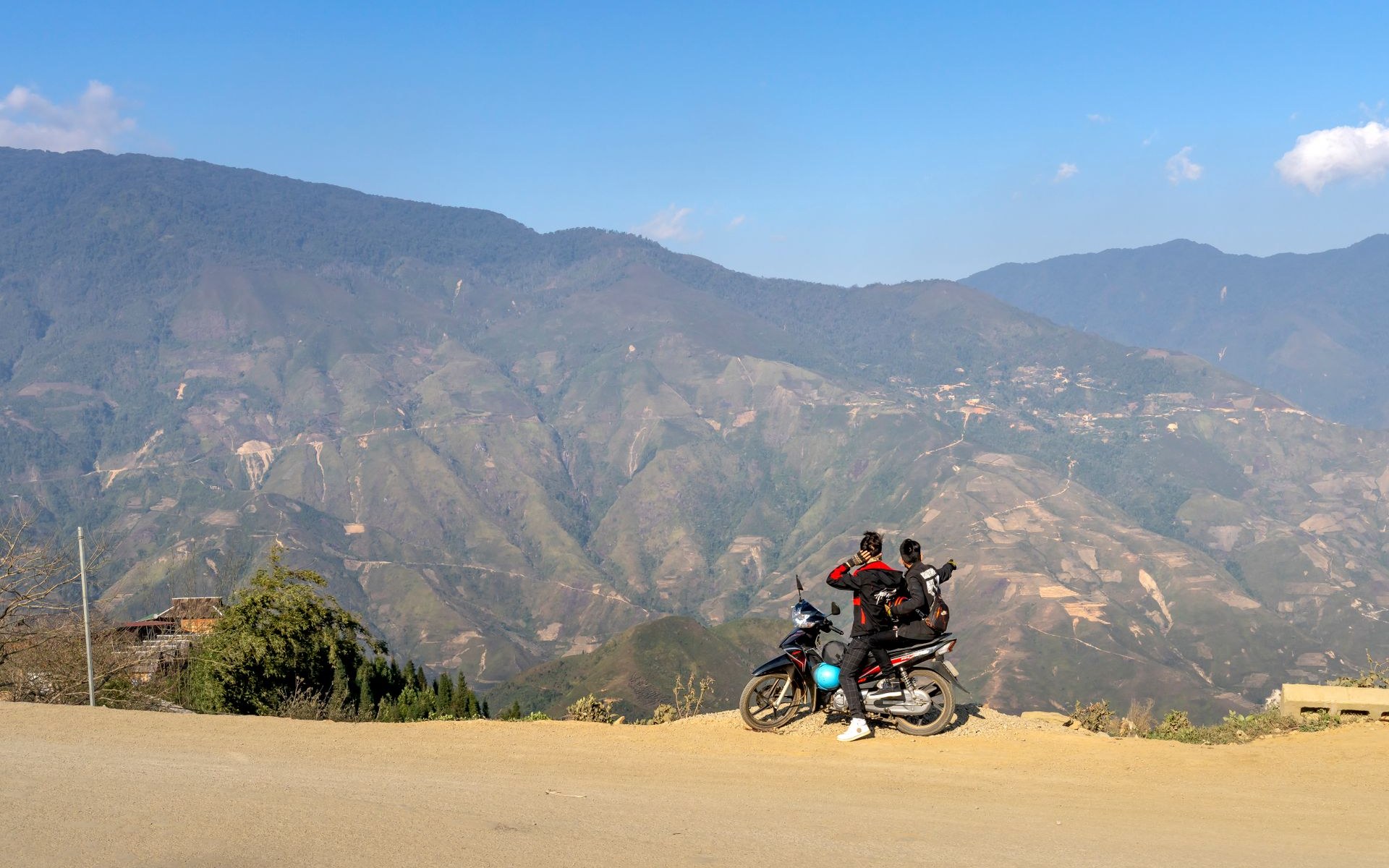
Source: Quang Nguyen Vinh via Pexels. Two riders sitting on a motorbike on a mountain road in Vietnam, shown as an illustration of riding pillion on a mountain road, with no location claimed as Sapa.
The signs of a bad deal
The fare changes after you sit down. The driver takes a different road and calls it a longer trip. He stops at a shop or a viewpoint you never asked for, then adds it to the price. He asks for the money up front, in full, before the bike moves.
None of these is a disaster. You can still say no, get off, and find another driver: there are almost always more bikes than passengers at a trailhead. The only moment you cannot walk away is after the ride, when you are already at your hotel and the argument is about the bill.
Riding safely
Take the helmet, every time, even for a short ride. Hold the rail or the driver, not your phone. Keep your backpack strapped tight, not loose on one shoulder. A bike on a wet mountain road is no place for a bag swinging into the wheel.
If the driver is riding too fast for a muddy road, say so. A good driver slows down without a fuss. If he does not, get off at the next safe place and find another bike. There will be one.
A motorbike taxi turns a long road walk into a short ride, and it puts money in the pocket of someone who lives in the valley. It only goes wrong when the price is left until afterwards. Name the place, agree the fare, then get on.
The 2 day Ta Van homestay trek ends in the valley. Read the full Sapa trekking guide, then message the house on WhatsApp or Zalo.
Walk it with us
Every route in these guides ends at Cloud Valley. Sleep where the trail ends, not back in town.
Sapa Trekking Guide · 1 Day Valley Trek · 2 Day Homestay Trek
More guides
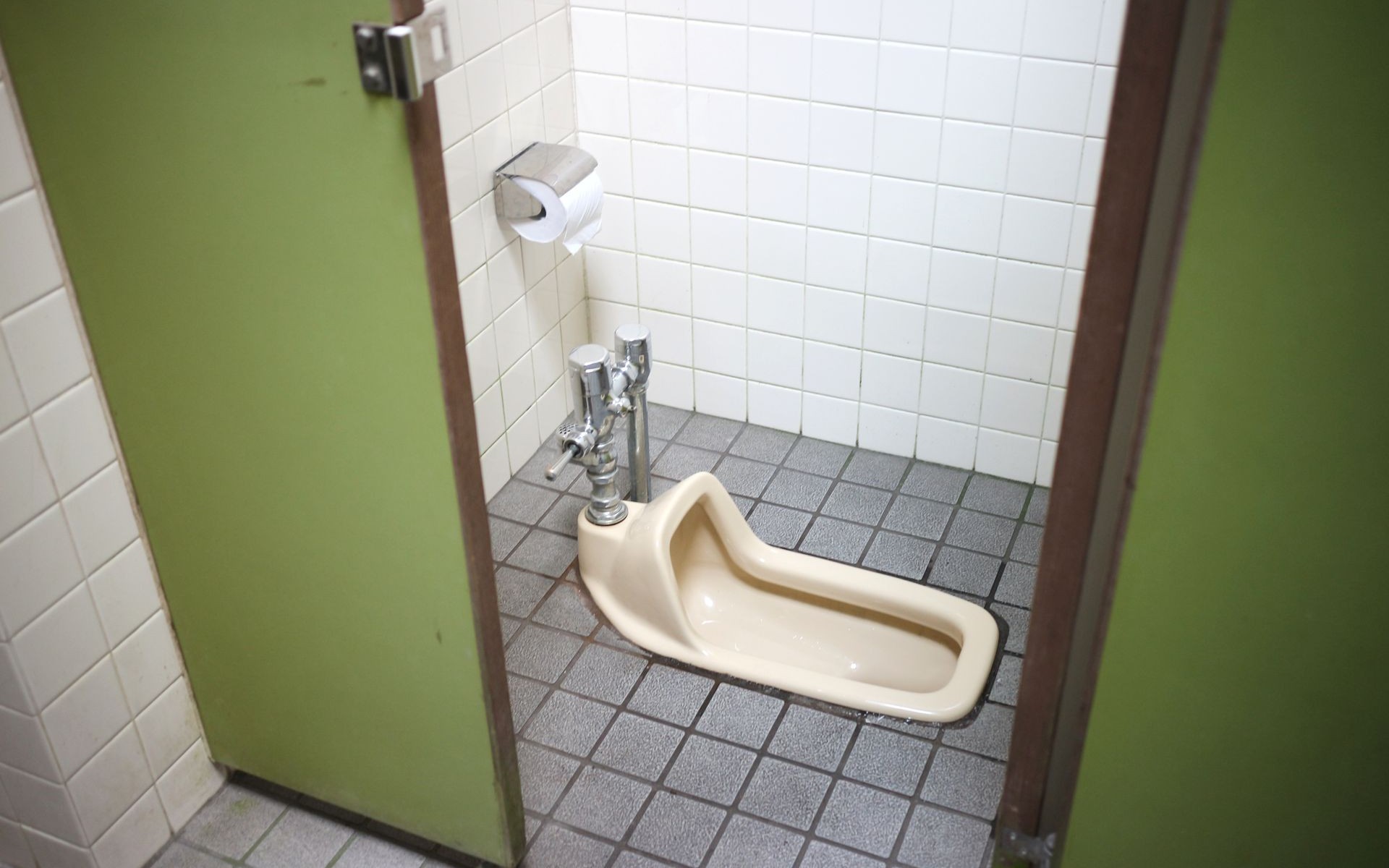
Squat Toilets and Shared Bathrooms: What Homestays Are Really Like
The toilet is the part of a Sapa homestay nobody photographs. Here is what the bathroom is actually like, and the three small things to pack so it never ruins your night.

Booking a Trek Online vs in Town: What Changes
You can book your Sapa trek from home weeks ahead, or walk into an office in Sapa town the day before. Both work. Here is what actually changes with each choice.

Your Luggage While You Trek: Storage Options That Actually Work
You cannot drag a rolling suitcase down muddy terrace steps. Here is where your big bag actually goes while you walk, and what to carry instead.