Trekking in the Rain in Sapa: When to Walk On and When to Turn Back
Rain starts halfway down a Sapa terrace path and you have to decide fast: keep walking, or turn back. Light rain on a firm path is fine. Thunder, a rising stream, or a path that has turned to slick clay is not.
Trekking in the Rain in Sapa: When to Walk On and When to Turn Back
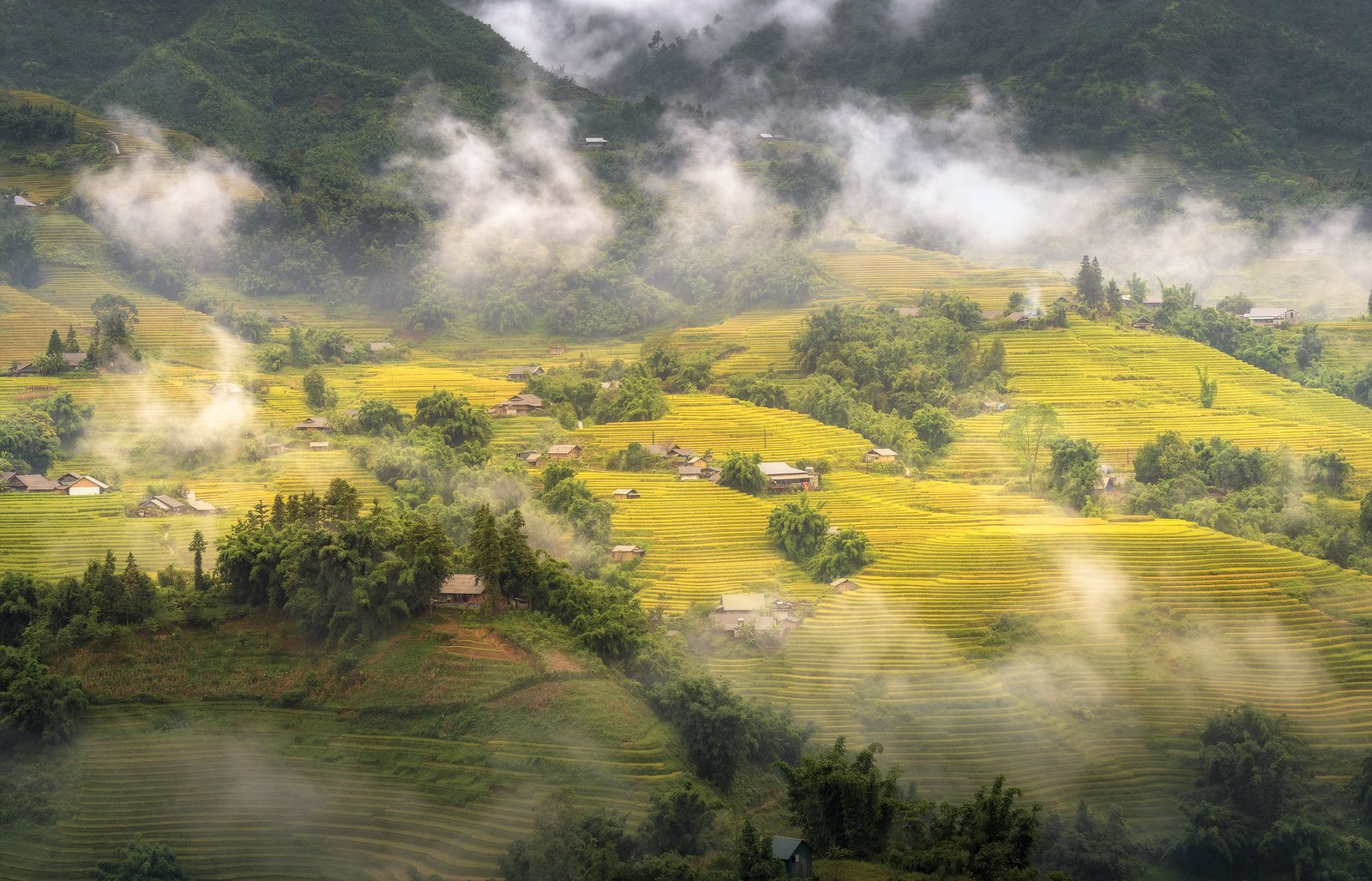
Cover photo: Linh Tran via Pexels, misty terraced valley in Sa Pa, Lao Cai.
You are halfway down a terrace path in Sapa when the rain starts. The steps get slick, the valley disappears into mist, and you must decide: keep walking, or turn back.
Walk on in light, steady rain if the path still grips, you can see the next bend, and no stream crossing lies ahead. Turn back if you hear thunder, if a stream is rising or turning brown and fast, if the clay path will not hold your foot, or if your guide says stop.
Light rain: keep walking, slowly
Light rain is normal in Sapa and does not have to end a walk. Slow down, take shorter steps, and plant your whole foot flat. On terrace steps, step onto the flat of each step, not the edge, where the clay is slickest. Keep your hands free, and use poles on descents. Keep your phone in a sealed bag.
Turn back at these four signs
Thunder or lightning comes first. Open terraces and ridges give you no shelter, and a metal pole or an umbrella makes things worse. If you hear thunder, get off high open ground and head back, not under a lone tree.
Second, a rising stream. Before any crossing, look at the water, not just at the bridge or stepping stones. If the water is brown, fast, and higher than before, do not cross. Streams here can rise quickly after rain upstream, even if the rain over your head feels light.
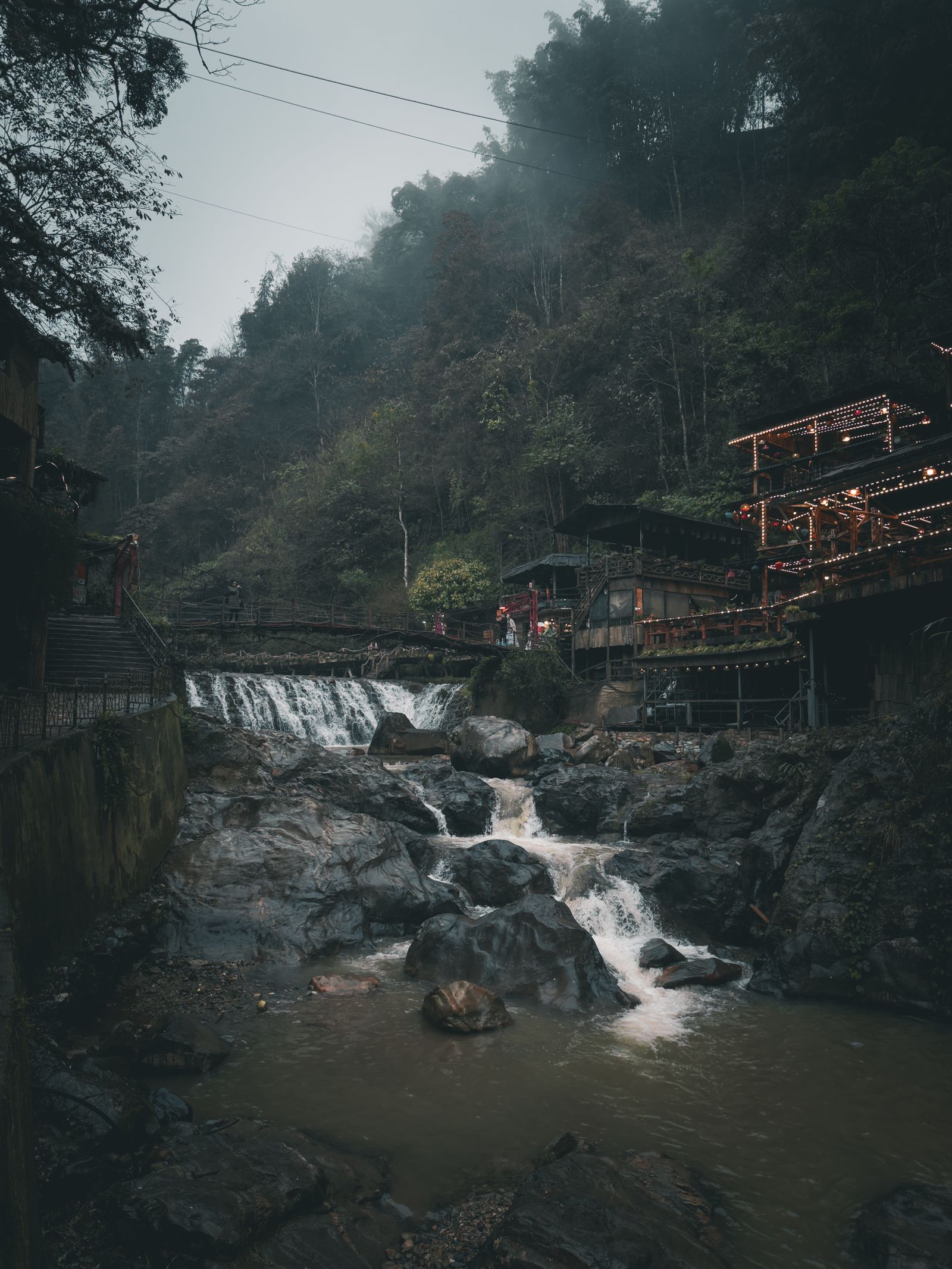
Source: Andrew Wong via Pexels, a foggy stream in Lao Cai.
Third, a path that has lost its grip. Test it on a flat section before a descent. If every step skids, or the path has turned into a smooth chute of wet clay beside a drop, that descent is not worth it. Go back the way you came.
Fourth, fresh signs of a slide: cracked earth above the path, small stones falling, or water pouring down a bank in a new place. Do not walk under it to check. Go back.
If you turn back, do it properly
Turning back is not failing. It is the decision experienced walkers make most often. Retrace the route you already walked, and do not cut across a new slope to save time. Head for the nearest village, and tell your guide or homestay you are coming back early. If rain is heavy between villages, shelter and wait for the path to drain.
What actually helps in Sapa rain
A cheap poncho beats a fancy jacket here, because it covers your pack and vents heat on a climb. Shoes matter more than any jacket: trainers with smooth soles slide on wet clay, while shoes with deep tread hold. Wring out wet socks at a rest stop, since wet socks blister faster. Pack dry clothes in a sealed bag for the homestay. Arriving wet is fine. Sleeping wet is miserable.
Your next step
Rain is part of trekking in Sapa, not a reason to avoid it. Learn to read the path, the stream, and the sky, and you will walk safely on most wet days and know when to stop on the rest. Read our Sapa trekking pillar page, and see the classic 1-day Y Linh Ho, Lao Chai, Ta Van trek or the 2-day Ta Van homestay trek. Message Cloud Valley on WhatsApp or Zalo for a quote.
Walk it with us
Every route in these guides ends at Cloud Valley. Sleep where the trail ends, not back in town.
Sapa Trekking Guide · 1 Day Valley Trek · 2 Day Homestay Trek
More guides
Squat Toilets and Shared Bathrooms: What Homestays Are Really Like
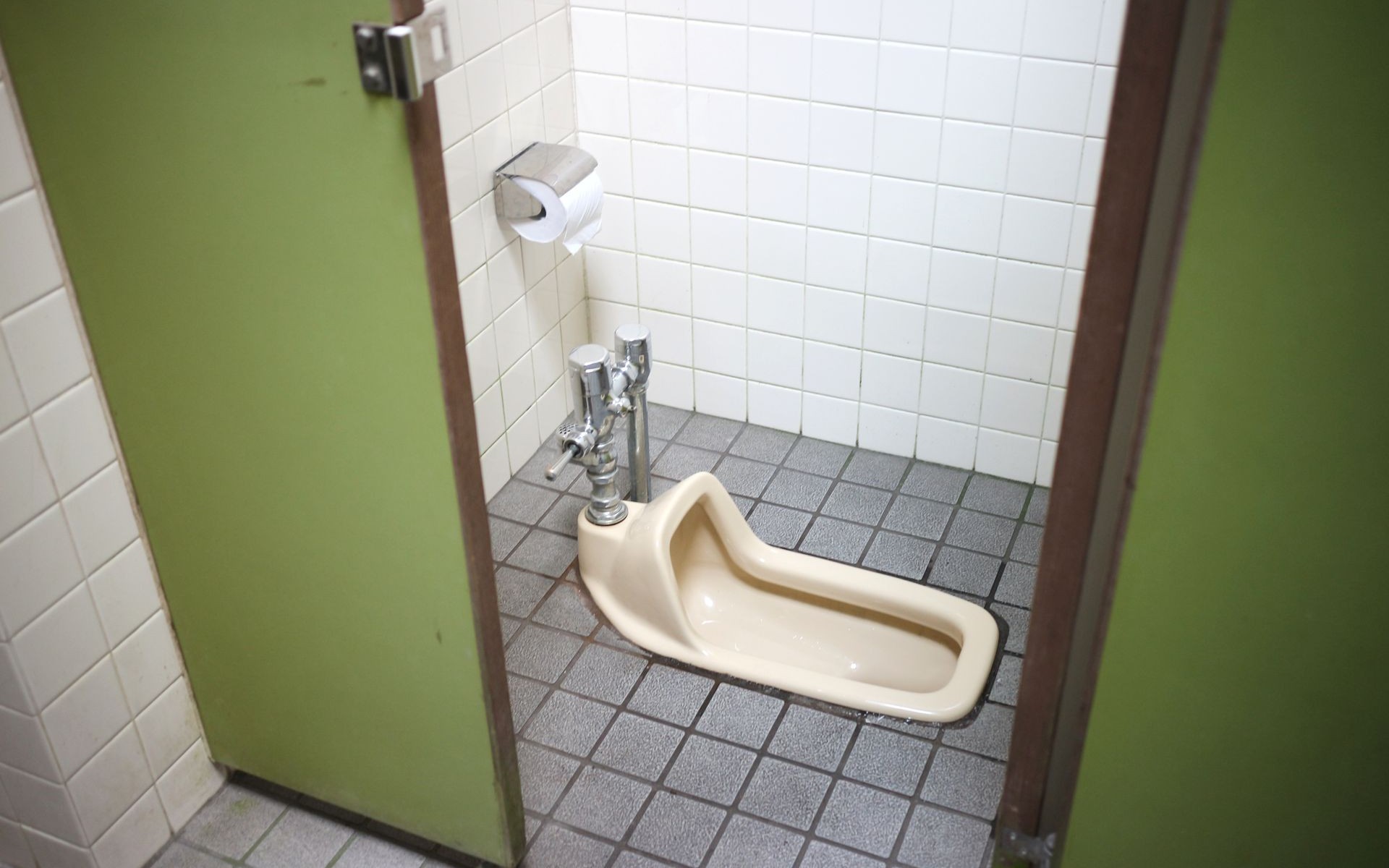
The toilet is the part of a Sapa homestay nobody photographs. Here is what the bathroom is actually like, and the three small things to pack so it never ruins your night.

Booking a Trek Online vs in Town: What Changes
You can book your Sapa trek from home weeks ahead, or walk into an office in Sapa town the day before. Both work. Here is what actually changes with each choice.
Your Luggage While You Trek: Storage Options That Actually Work
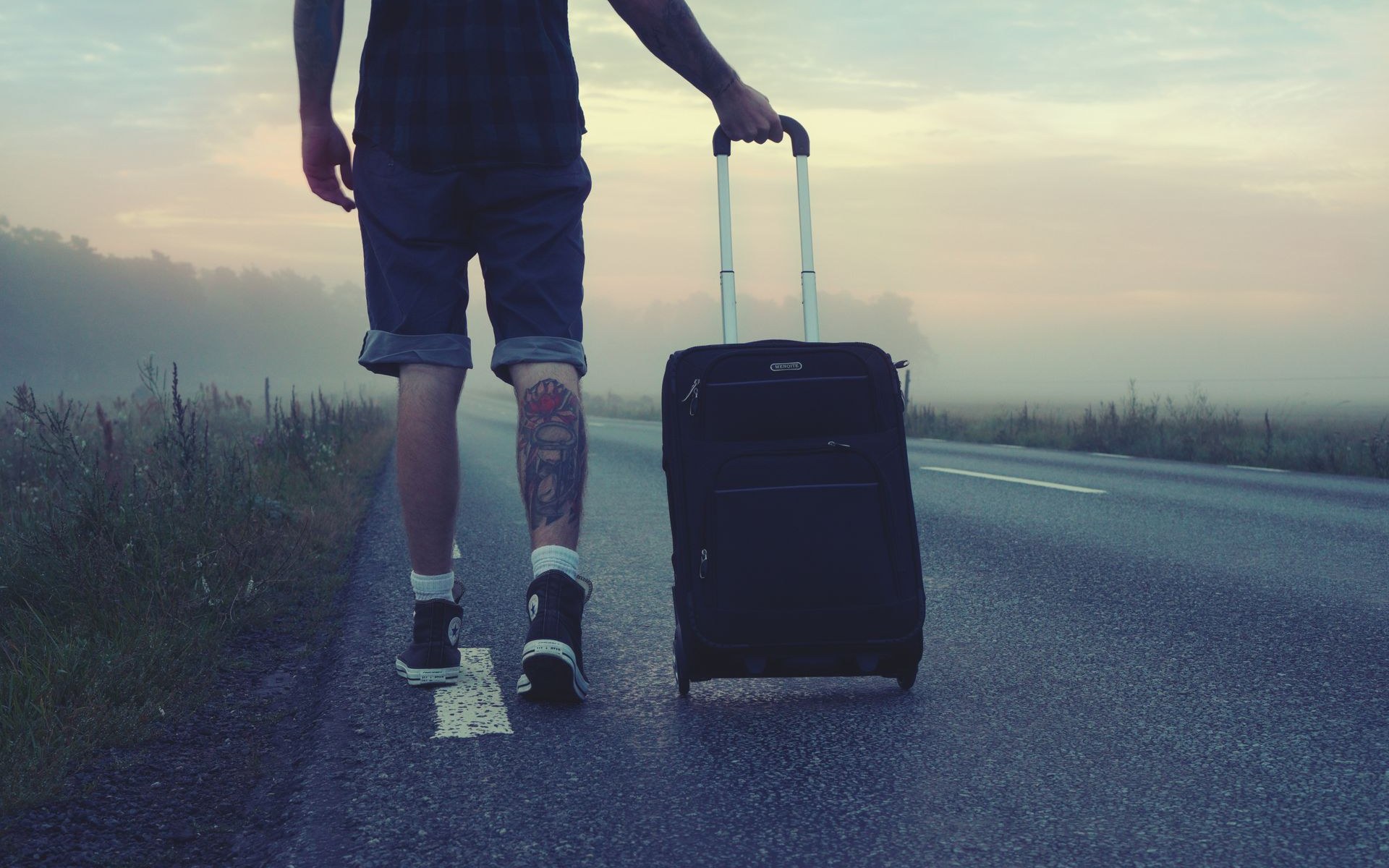
You cannot drag a rolling suitcase down muddy terrace steps. Here is where your big bag actually goes while you walk, and what to carry instead.