A Night in a Ta Van Homestay: Cold Rooms, No Hot Water, What to Really Expect
A night in a Ta Van homestay can be cold, noisy, and short on hot water, even after a good day on the trail. Pack one warm layer, ask about the bathroom before you book, and the night is easy to handle.
A Night in a Ta Van Homestay: Cold Rooms, No Hot Water, What to Really Expect
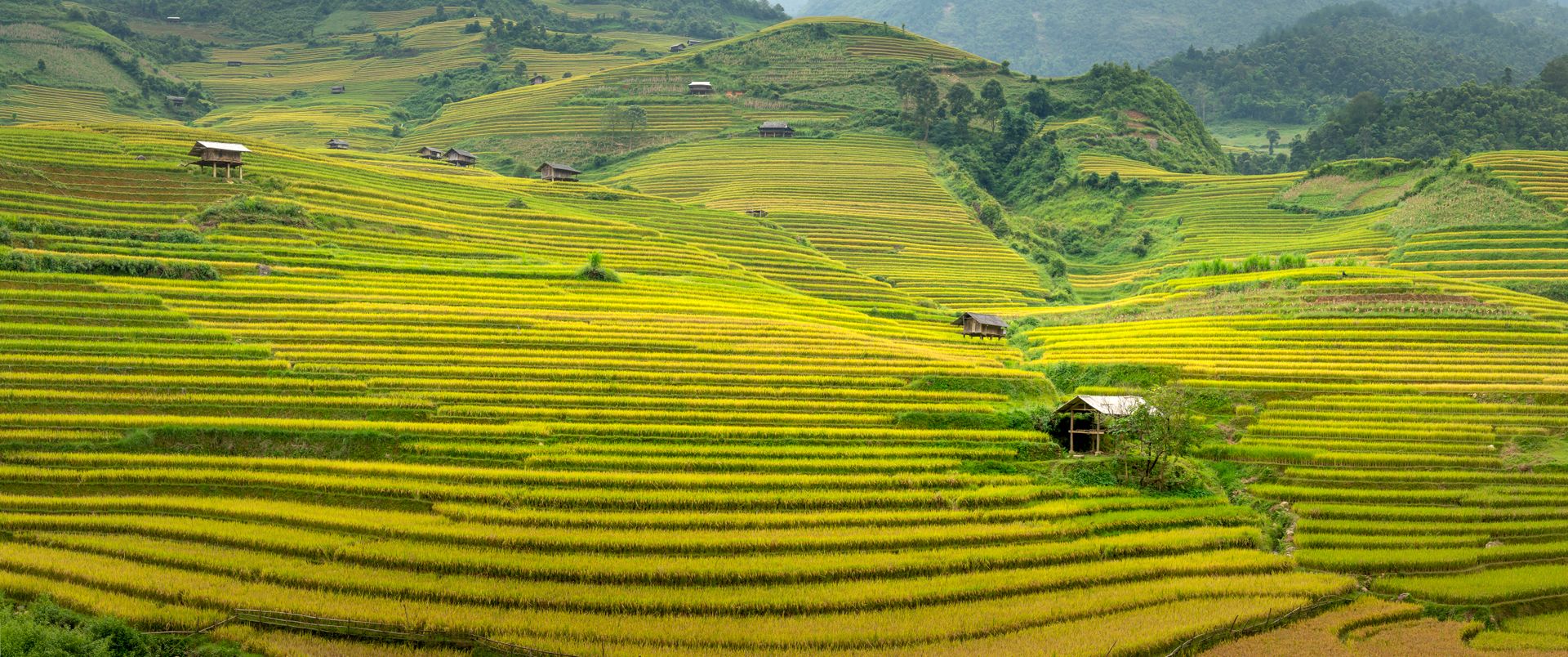
Cover photo: Quang Nguyen Vinh via Pexels, wooden houses on hills among rice terraces in Sapa, Vietnam, not claimed as Ta Van itself.
You arrive in Ta Van tired, muddy, and ready for a warm room and a hot shower. Then the room is colder than you expected, the shower runs lukewarm for a minute and then cold, and a rooster starts at 4 in the morning. None of this means the homestay is bad. It means a village house is not a hotel, and a little preparation changes the whole night.
The cold room
Ta Van sits in a valley, and valley nights cool fast, even after a warm day. Many village houses are built of wood with thin walls and gaps that let in drafts. There is often no central heating. A thick blanket is usually provided, but one blanket on a cold night in winter can still leave you shivering.
The fix belongs in your daypack, not in your main luggage back in Sapa town. Bring one warm layer to sleep in, plus warm socks, and put the layer on before you feel cold. Ask your guide before you book whether the room has extra blankets, so you know whether to bring a sleeping bag liner.
The hot water problem
This is the part that surprises most trekkers. Some village homestays have hot water, some have it only at certain hours, and some have a solar heater that runs out after the first few showers. If you arrive late and everyone showers before you, you may get cold water.
Shower early if you can, and keep it short. Wash off the trail mud, change into dry clothes, and save a full wash for your return to Sapa town. If hot water matters to you, ask when you book: is there hot water in the evening, and is the bathroom private or shared?
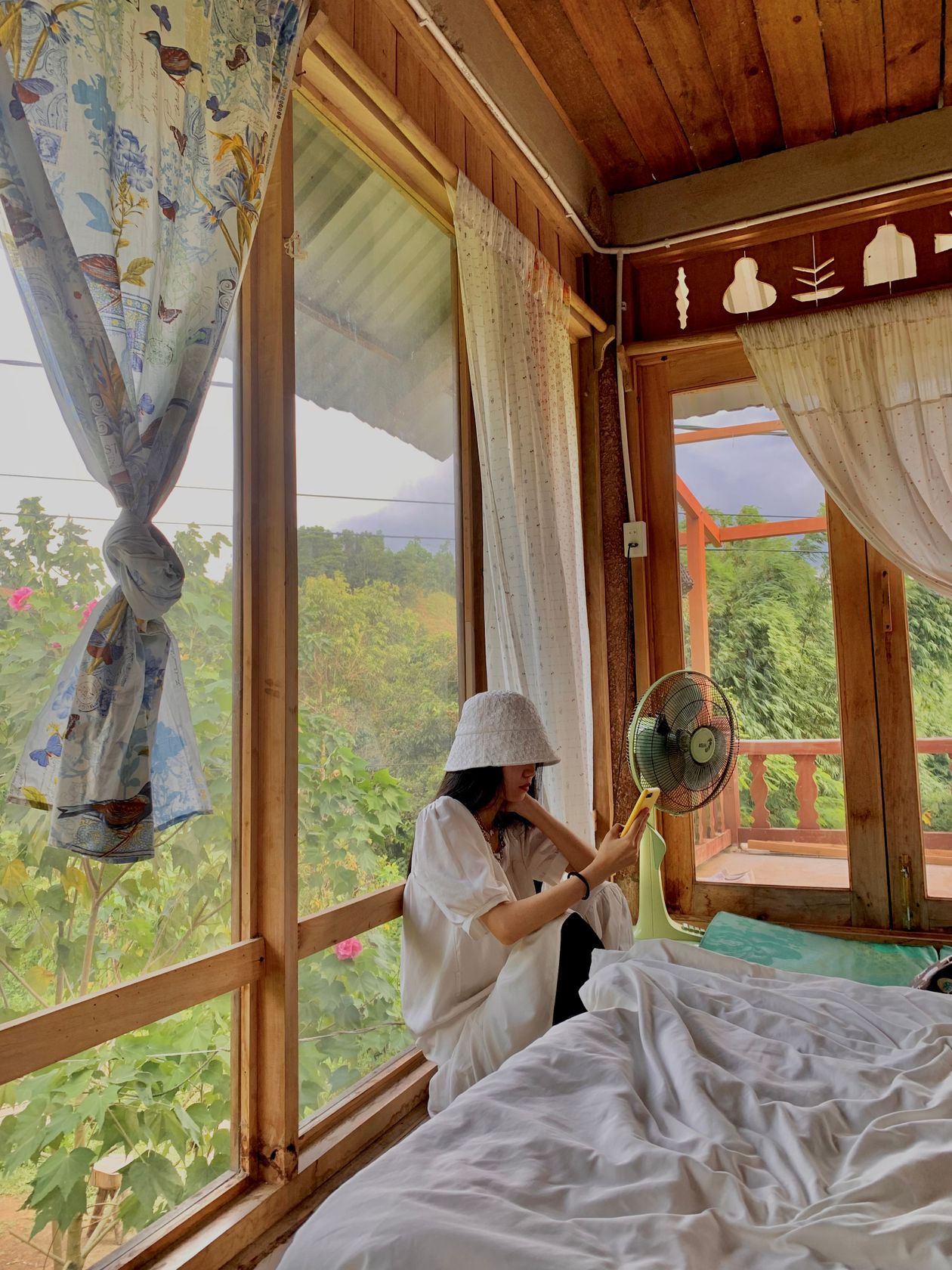
Source: Minnie Lee via Pexels, a cozy Vietnamese room in Thua Thien Hue, Vietnam, illustrating a wooden homestay room in general, not a room in Ta Van.
Bathrooms, noise, and sleep
Bathrooms vary. Some rooms have a private bathroom, many have a shared one down the corridor or outside the house. Bring a small torch and sandals for a night trip, and keep toiletries in one bag.
Village nights are not quiet. Roosters, dogs, and early risers are part of the place. Earplugs weigh nothing and help a lot. Go to bed early, because the house wakes early too, and the valley in first light is the quietest hour of the trek.
What to pack for the night
One warm sleeping layer, warm socks, earplugs, a small torch, sandals, and a bag for wet clothes cover almost all of it. Leave the extra comfort items in Sapa town. You need warmth, dry clothes, and sleep, not a hotel kit.
Your next step
A cold room and a lukewarm shower do not ruin a Ta Van night. They are the trade for sleeping in the valley itself, waking to terraces outside the window, and starting the next day already on the trail. Ask about blankets, hot water, and the bathroom before you book, pack one warm layer, and the night feels like part of the trek, not a problem in it.
Read our Sapa trekking pillar page, and see the classic 1-day Y Linh Ho, Lao Chai, Ta Van trek or the 2-day Ta Van homestay trek. Message Cloud Valley on WhatsApp or Zalo for a quote.
Walk it with us
Every route in these guides ends at Cloud Valley. Sleep where the trail ends, not back in town.
Sapa Trekking Guide · 1 Day Valley Trek · 2 Day Homestay Trek
More guides
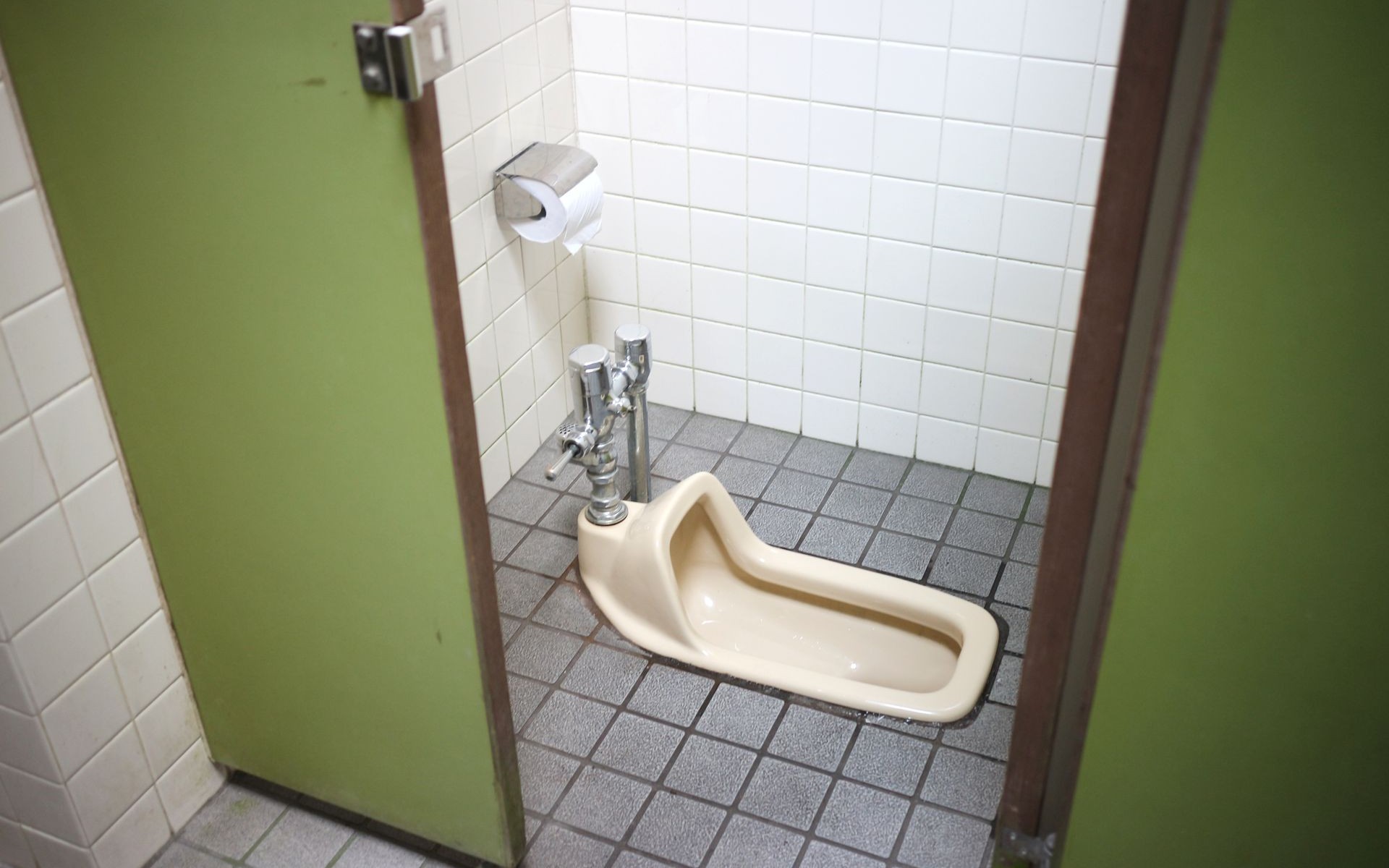
Squat Toilets and Shared Bathrooms: What Homestays Are Really Like
The toilet is the part of a Sapa homestay nobody photographs. Here is what the bathroom is actually like, and the three small things to pack so it never ruins your night.

Booking a Trek Online vs in Town: What Changes
You can book your Sapa trek from home weeks ahead, or walk into an office in Sapa town the day before. Both work. Here is what actually changes with each choice.

Your Luggage While You Trek: Storage Options That Actually Work
You cannot drag a rolling suitcase down muddy terrace steps. Here is where your big bag actually goes while you walk, and what to carry instead.