Real Local Guide vs Tout: How to Tell the Difference in Sapa Town
Someone stops you in Sapa town and offers a trek. A real local guide names the route, the villages, and what is included before you walk. A tout pressures you, stays vague, and hands you to someone else.

Real Local Guide vs Tout: How to Tell the Difference in Sapa Town
Cover photo: Huỳnh Như Mavi via Pexels, a bustling street in Sapa, Vietnam.
You step off the bus in Sapa town, and within minutes someone offers you a trek. They are friendly and promise a great walk tomorrow. The problem: you cannot tell from a smile whether that person will actually walk with you, knows the route, or is just selling you to someone else for a cut.
A real local guide talks about the walk, not the sale
A real guide starts with the route. They name the villages you will pass, how long the walk takes, where you will eat, and where you will sleep on an overnight trek. Ask which village they are from. Most genuine local guides live in one of the valley villages and walk these paths every week.
A real guide also answers direct questions without dodging. Ask who will walk with you tomorrow, and expect one name, not "my friend" or "my team." Ask what is included, and expect a clear list.
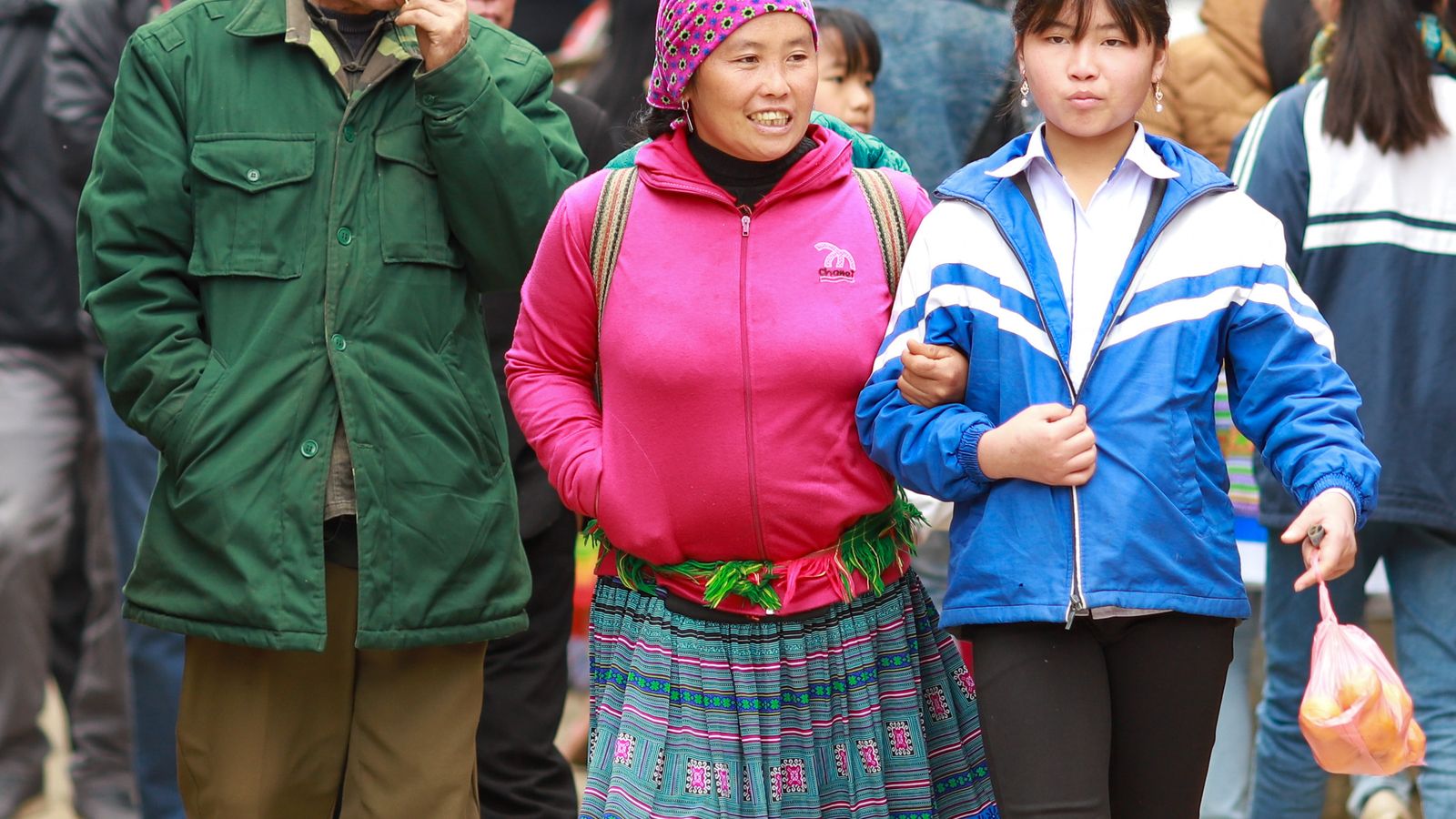
Source: Son Hoa Nguyen via Pexels, a vibrant scene at Sapa market, Lao Cai.
A tout pressures you and stays vague
A tout works differently. They follow you, repeat the offer after you say you need time, and push for a decision on the spot. They talk in general words: beautiful views, nice village, best trek. They cannot name the exact route, or they change it when you ask again.
Watch for the handover. A tout often agrees the walk, then passes you to a different person on the morning of the trek. If the person selling the trek will not walk with you, ask why, and treat a vague answer as a warning. Another warning is a deal that keeps changing: the route gets longer, or the transport back is suddenly extra.
Five questions to ask before you agree
Use these in town, before money changes hands. A good guide welcomes them. A tout rushes past them.
- Which villages will we walk through, in order?
- Who exactly will be my guide tomorrow?
- What is included, and what is not?
- Where will we eat, and where will we sleep on an overnight trek?
- What happens if the weather turns bad?
Then agree it in writing, even if it is just a message with the route, the guide's name, what is included, and the meeting time and place. If someone refuses to put it in writing, walk away.
How to walk away politely
You do not need an argument. Say you are still deciding, thank them, and keep walking. Do not accept a "free" walk to a shop as a way to decide, because that visit is often where the pressure increases. If someone follows you, step into a cafe and wait.
If you already agreed and feel uneasy, confirm the meeting point and route the same day. If the answers do not match what you were sold, cancel early. It is easier to change plans in town than halfway down a valley path.
Your next step
The best guide is usually someone from the valley itself, who names the route plainly, walks with you personally, and agrees the details before you start. Take ten minutes in town to ask the questions above.
Read our Sapa trekking pillar page, and see the classic 1-day Y Linh Ho, Lao Chai, Ta Van trek or the 2-day Ta Van homestay trek. Message Cloud Valley on WhatsApp or Zalo for a quote.
Walk it with us
Every route in these guides ends at Cloud Valley. Sleep where the trail ends, not back in town.
Sapa Trekking Guide · 1 Day Valley Trek · 2 Day Homestay Trek
More guides
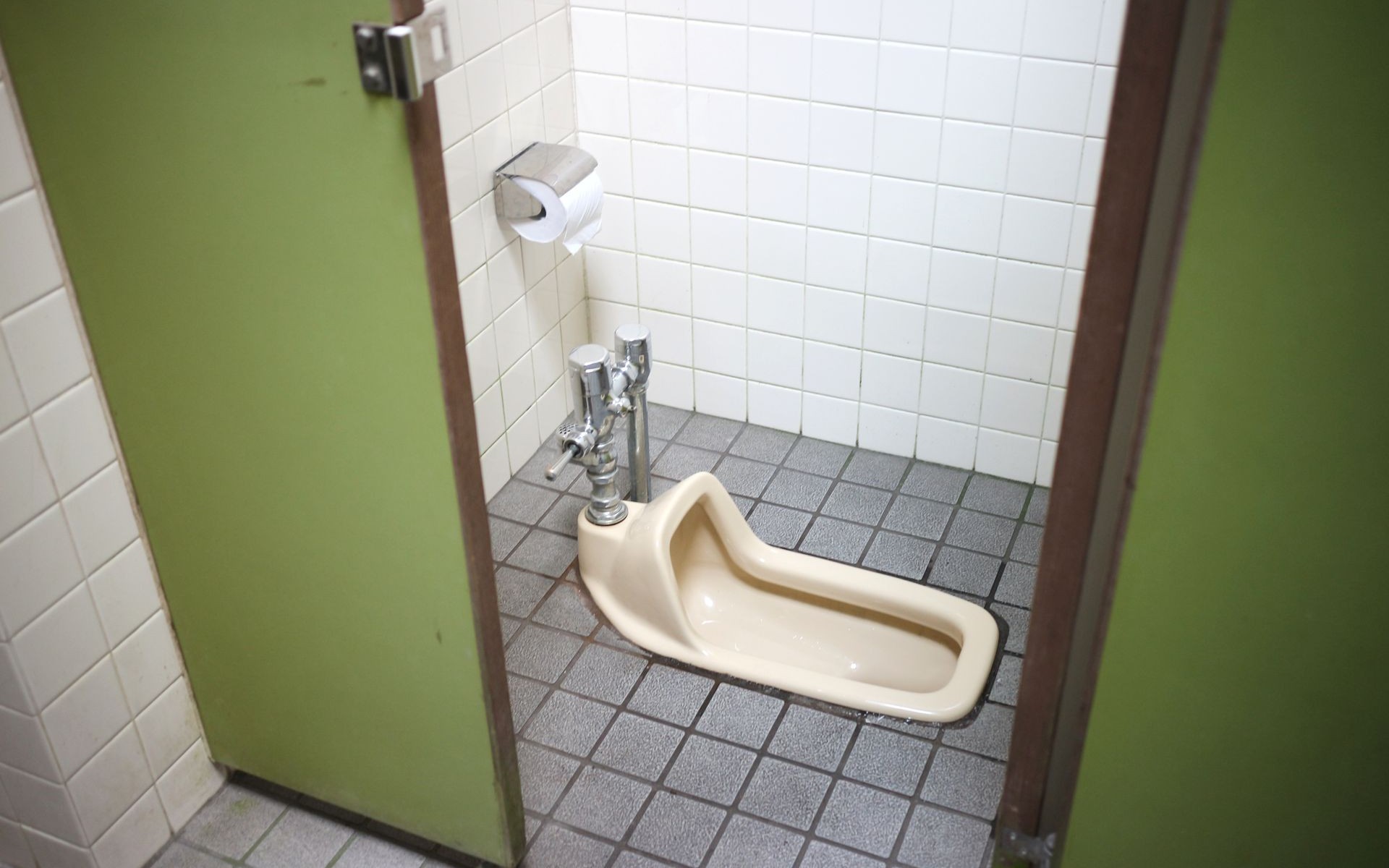
Squat Toilets and Shared Bathrooms: What Homestays Are Really Like
The toilet is the part of a Sapa homestay nobody photographs. Here is what the bathroom is actually like, and the three small things to pack so it never ruins your night.

Booking a Trek Online vs in Town: What Changes
You can book your Sapa trek from home weeks ahead, or walk into an office in Sapa town the day before. Both work. Here is what actually changes with each choice.

Your Luggage While You Trek: Storage Options That Actually Work
You cannot drag a rolling suitcase down muddy terrace steps. Here is where your big bag actually goes while you walk, and what to carry instead.