Cash or Card in the Villages: How Money Actually Works Off the Road
You reach Ta Van with a wallet full of cards and no cash. The homestay has no card terminal, the fruit stall takes dong notes, and your guide is waiting for a tip. In the villages below Sapa town, money works differently, and the time to learn that is before you leave town.

You step off the trail into Ta Van with a wallet full of cards and no cash. The homestay has no card terminal. The woman selling bananas at the path junction takes dong notes, not Visa. Your guide is waiting for a tip, and your phone has no signal. In the villages below Sapa town, money works differently, and the time to learn that is before you leave town.
Cash is the only money that works in the valley
Down in Ta Van, Lao Chai, and the smaller villages between them, almost everything is paid in cash, in Vietnamese dong. Homestays, guides, porters, market stalls, and the small shops along the path do not take cards. There is no card terminal at a village house and no ATM on a terrace path. A card is useful in Sapa town, where hotels, larger restaurants, and tour offices take it, but once you walk down into the valley, it has no job to do.
How much cash to carry
Carry enough for the whole walk, not just the first day. That means the trek fee if you are paying it in cash, food and drinks at the homestay, tips for your guide and porter, and anything you might buy on the path, like fruit, water, or a woven bracelet. A good test before you leave town: if you lost your card on day one, could you still finish the walk? If not, you are carrying too little.

Source: Phan Cuong via Pexels. A woman using an ATM in Ho Chi Minh City, Vietnam, shown as an illustration of withdrawing cash in town before a trek, with no location claimed as Sapa.
Small notes are worth more than big ones
A 500,000 dong note is hard to spend in a village. A stall selling bananas or a cold drink may not have change for it, and a guide handed one big note cannot split it with a porter. Break big notes in Sapa town before you leave, at a hotel reception, a restaurant, or a shop. Carry a mix of 10,000, 20,000, 50,000, and 100,000 notes, and keep the small ones in a separate pocket.

Source: Pham Huynh Tuan Vy via Pexels. A pho street stall in Vietnam, where cash is the usual way to pay, with no location claimed as Sapa or Ta Van.
Keep it dry and keep it safe
Rain, sweat, and river crossings are hard on paper money. A zip-lock bag or a dry pouch keeps your notes usable at the end of a wet day. Keep the day's cash in a pocket you can reach without opening your pack, and the rest deeper in your bag. Do not leave cash lying on a bed in a shared homestay room.
What if you run out
Ask your guide first. A local guide can usually change a note with a shopkeeper, or lend you enough to reach the next village. If you have phone signal, a bank transfer to your host is sometimes possible, but do not count on it, because signal in the valley comes and goes. The reliable fix is to walk back to Sapa town, where the ATMs are, or ask your guide to arrange a lift.
Your card still has a job
None of this means you should leave your card at home. Use it in town: pay the hotel, withdraw cash at an ATM, and settle any booking that takes a card. Just do not expect it to work once the road turns to a dirt path. Cash for the valley, card for the town, and the two days go smoothly.
Money in the villages is simple: cash, in dong, in small notes, carried before you leave Sapa town. The 2 day Ta Van homestay trek is the walk where this matters most. Read the full Sapa trekking guide, then message the house on WhatsApp or Zalo to book.
Walk it with us
Every route in these guides ends at Cloud Valley. Sleep where the trail ends, not back in town.
Sapa Trekking Guide · 1 Day Valley Trek · 2 Day Homestay Trek
More guides
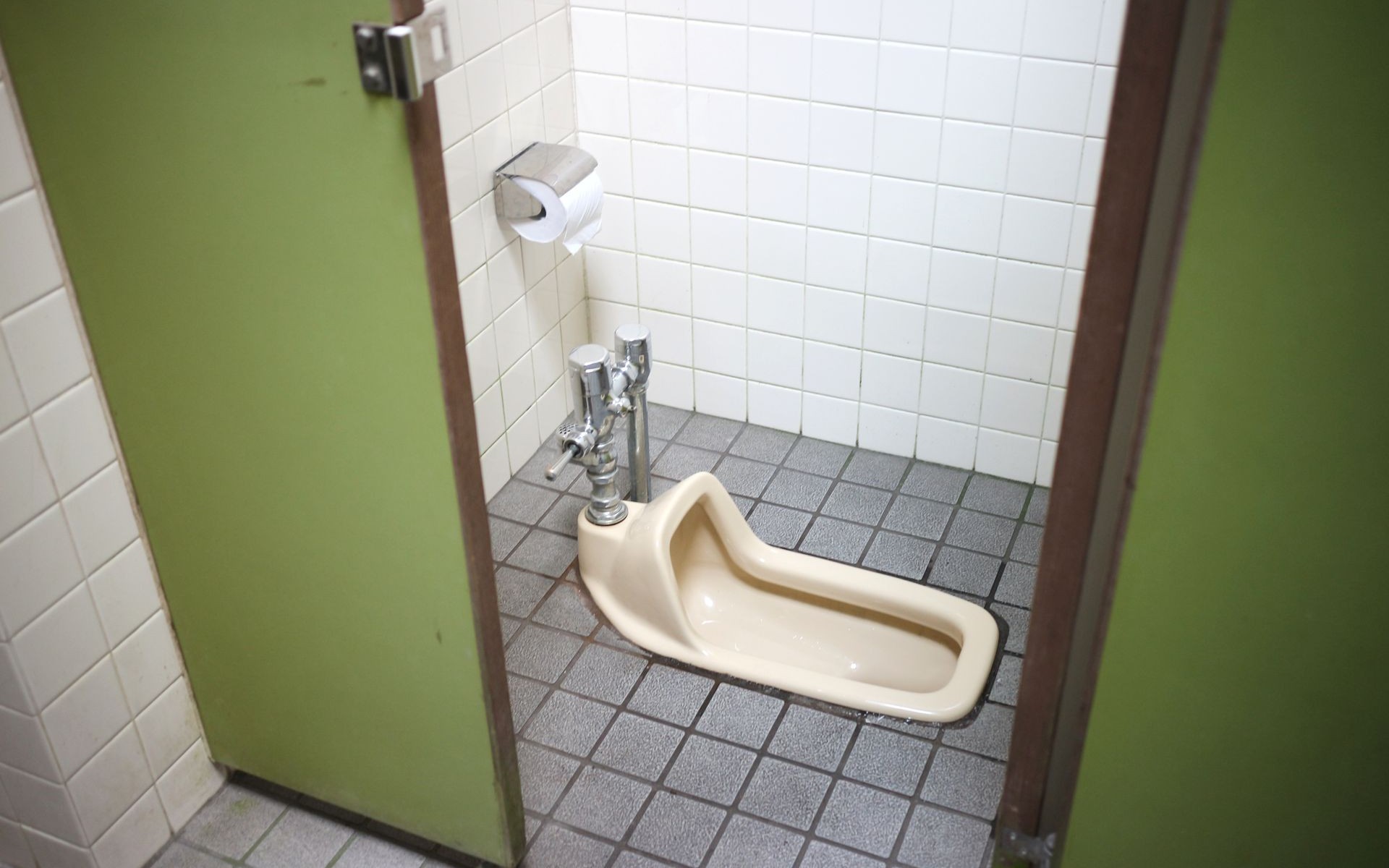
Squat Toilets and Shared Bathrooms: What Homestays Are Really Like
The toilet is the part of a Sapa homestay nobody photographs. Here is what the bathroom is actually like, and the three small things to pack so it never ruins your night.

Booking a Trek Online vs in Town: What Changes
You can book your Sapa trek from home weeks ahead, or walk into an office in Sapa town the day before. Both work. Here is what actually changes with each choice.

Your Luggage While You Trek: Storage Options That Actually Work
You cannot drag a rolling suitcase down muddy terrace steps. Here is where your big bag actually goes while you walk, and what to carry instead.