Allergies in a Village Kitchen: How to Communicate Them
A village kitchen cooks one shared meal for everyone at the table, and nobody there speaks your language. Tell your host about your allergy before you arrive, in writing and in Vietnamese, and the meal stays safe.
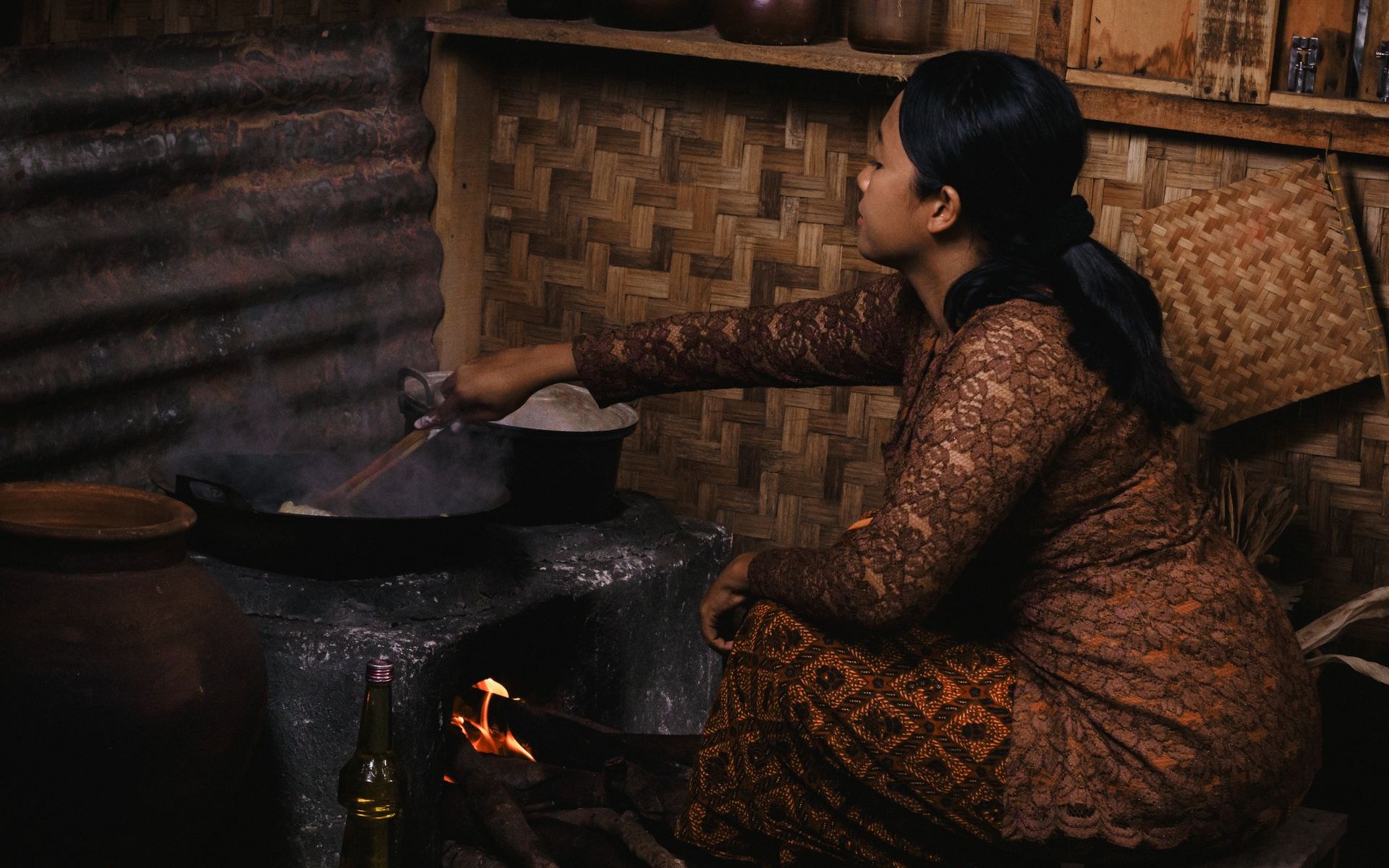
You sit down to dinner in a village house in Ta Van. The table is full of shared dishes, and nobody at the table speaks your language. You are allergic to peanuts, or shrimp, or eggs, and you have no way to say so.
Here is the short answer: tell your host about your allergy before you arrive, in writing and in Vietnamese. A note your host can read, shown before the cooking starts, is what keeps the meal safe.
Tell them before you arrive
Raise the allergy when you book, not when the food is on the table. Message the person who booked your trek, or the homestay on WhatsApp, and name the exact food. "I am allergic to peanuts" is useful. "I have a food allergy" is not, because nobody can cook around a food they cannot name.
Say what happens if you eat it. A host who hears "it makes me sick" cooks differently from one who hears "I cannot eat it at all." Tell your guide too, so the person translating in the kitchen can check the dishes first.
Carry it written in Vietnamese
Have someone write your allergy down in Vietnamese before you leave Sapa town, or ask your guide to write it. Keep it on your phone and on a small piece of paper in your pocket. Paper matters: phones run out of battery.
The words worth having on the card are the foods themselves: peanuts are dau phong in the south and lac in the north, shrimp is tom, egg is trung, milk is sua, soy is dau nanh, wheat flour is bot mi, and fish sauce is nuoc mam. Fish sauce matters most, because it is in almost everything, including dishes with no visible fish.
Show the card before the cooking starts. A cook who sees it early can set a dish aside or leave one ingredient out.

Source: Janson A. via Pexels. A hand holding a fountain pen over a blank sheet of paper, shown as an illustration of writing your allergy down before the meal.
At a shared table
A village meal is shared, and the same chopsticks and serving spoons move between dishes. That is where cross contact happens: a spoon that served a peanut dish goes into the plain rice, and the rice is no longer plain.
Eat from the dishes your host points to, and ask your guide to check the rest. Sauces deserve a question of their own: peanut sauce, shrimp paste, and fish sauce are often served on the side or mixed in, and a dish that looks safe can carry one of them.
If a dish is on the table and you are not sure about it, leave it. Nobody at a village table is offended by a guest who skips one dish.
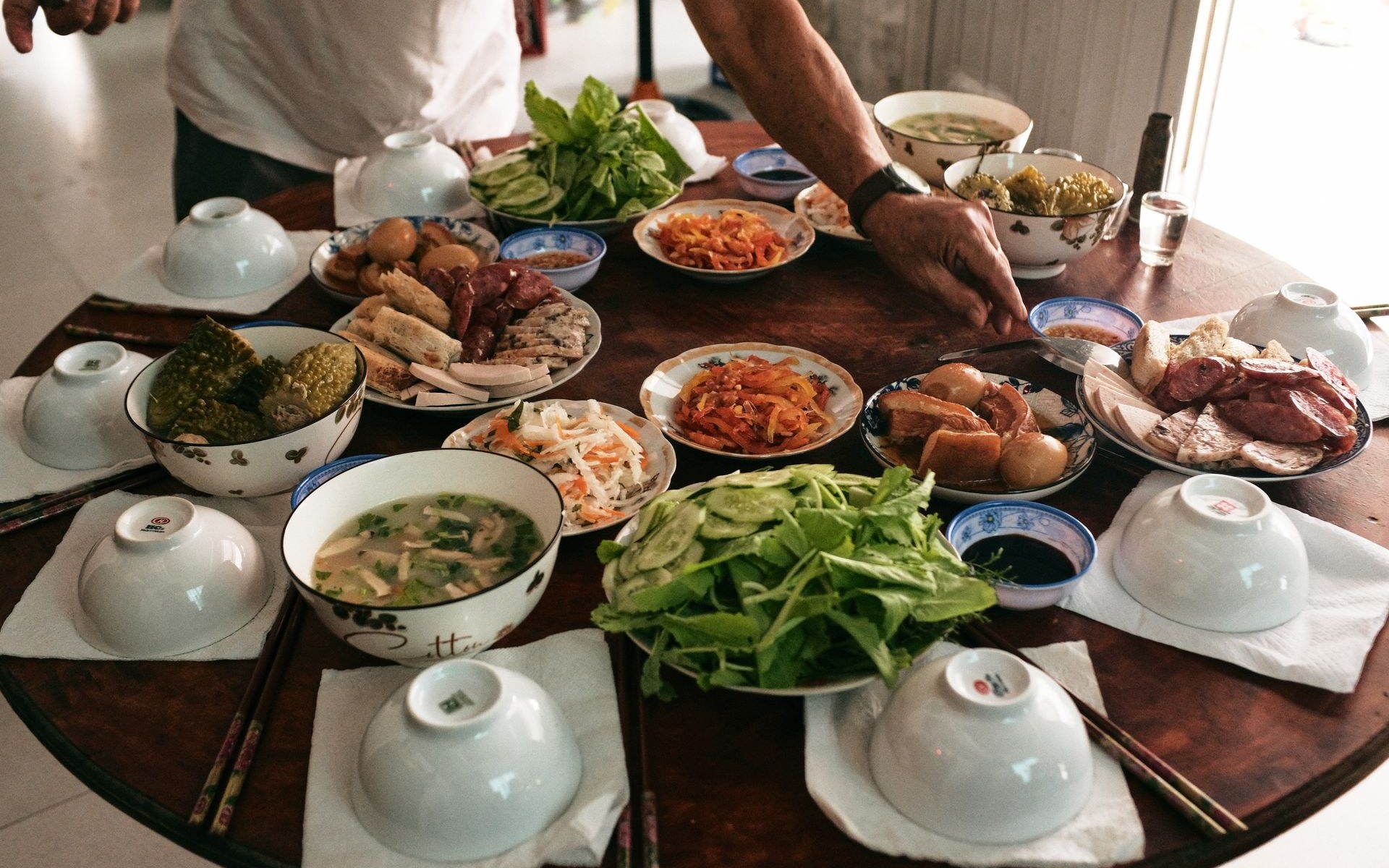
Source: Nguyen Truong Khang via Pexels. A family feast with shared dishes on a round wooden table in Ben Tre, Vietnam, shown as an illustration of a shared village meal, not a meal in Ta Van.
If your allergy is severe
If your allergy can close your throat or stop your breathing, say so in the booking message, not at the table. Carry your own epinephrine injector in your daypack, and tell your guide where it is and how to use it.
Be honest about the risk. A village kitchen cooks one meal for the whole table, on one stove, with shared utensils. If any trace of your allergen could send you to hospital, a homestay night hours from a clinic may not be the right stay, and a day walk with your own packed food is the safer choice.
The 2 day Ta Van homestay trek is the walk this is written for: two days in the valley, one night in Ta Van. Read the full Sapa trekking guide, then message the house on WhatsApp or Zalo and tell them about your allergy when you book.
Walk it with us
Every route in these guides ends at Cloud Valley. Sleep where the trail ends, not back in town.
Sapa Trekking Guide · 1 Day Valley Trek · 2 Day Homestay Trek
More guides
Haggling in Sapa Market: How to Do It Without Offending
A vendor in Sapa market names a price for a woven bag, and you have no idea whether it is fair. Haggling is expected here, but there is a kind way to do it and a way that leaves everyone unhappy. Here is the kind way.
Gifts for Village Kids: What Helps and What Harms
A child runs up to you on a Sapa trail, smiling, hand out. Your hand goes to your pack. Before you give anything, here is what actually helps village kids, and what quietly harms them.
Language on the Trail: The Few Phrases That Open Doors
Your guide stops to chat with a farmer, everyone laughs, and you stand there smiling and understanding nothing. Ten Vietnamese phrases change the whole walk.