Charging Your Phone in a Homestay: What to Bring
A village homestay has one or two shared sockets, no USB ports in the wall, and no bedside charger. Bring a charged power bank, a long cable, and your own charger, and your phone survives two days off the grid.
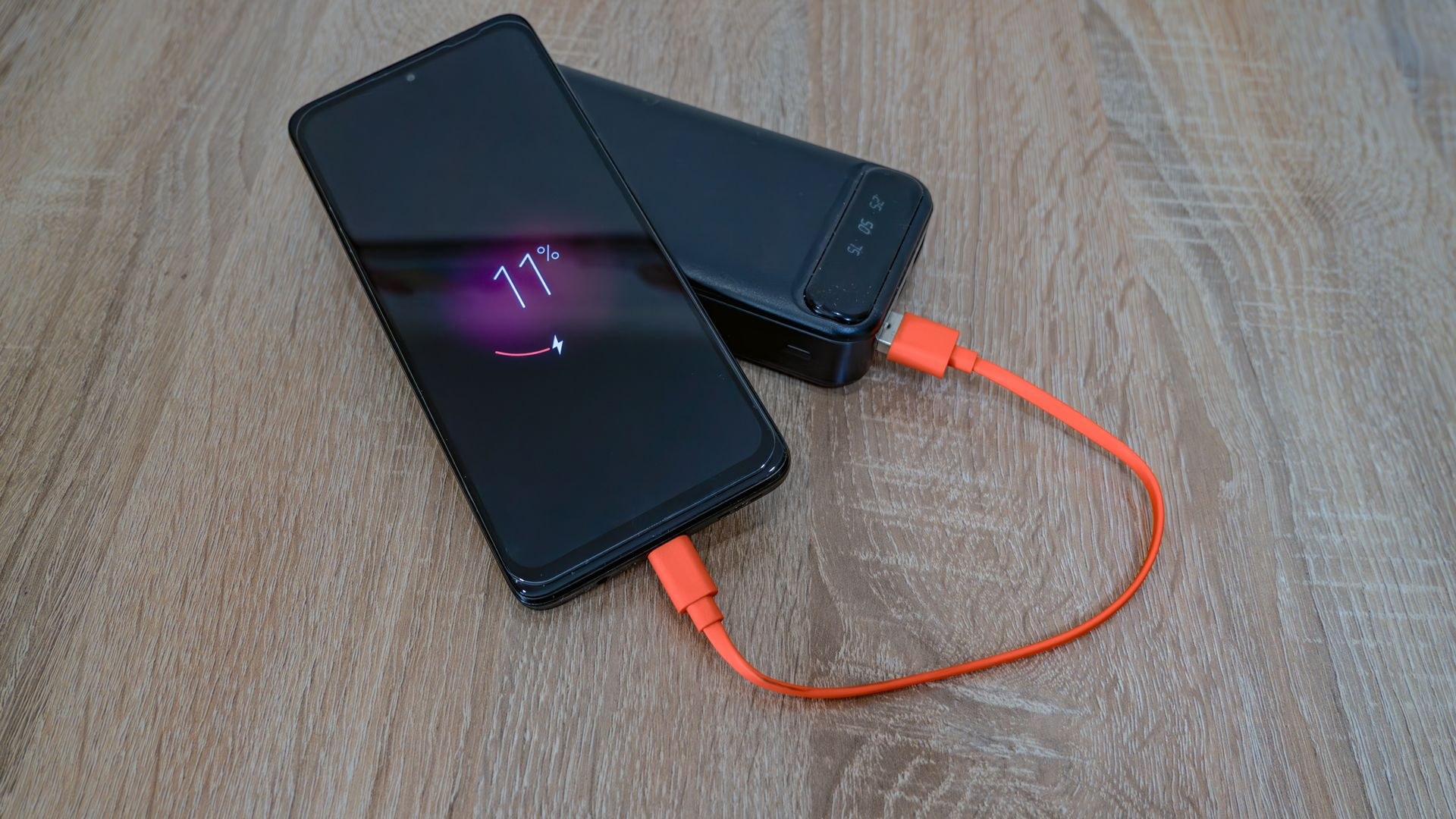
You arrive at the homestay just after dark, phone at 11 percent after a day of photos and maps. The only socket in the sleeping room sits behind a bed, already taken by another guest's charger. There is no second socket, no USB port in the wall, and no bedside table to leave the phone on. That is a normal evening in a Ta Van homestay, and the fix is not a better homestay. It is what you packed in Sapa town that morning.
The short answer
Bring three things: a power bank charged to full before you leave town, a cable at least two metres long, and your own wall charger. With those three, one socket is enough for the whole evening. Without them, you spend the night guarding a phone plugged into a socket across a dark room.
What the homestay actually has
A village homestay is a family home, not a hotel, and its wiring shows it. Expect one or two sockets in the sleeping area, shared by everyone in the room, and often far from where you sleep. The socket may be the flat two-pin type, the round two-pin type, or a universal one that takes both, and the power runs at 220 volts, which suits most modern phone chargers. What you will not find is a USB port built into the wall or fast charging, and power can cut out in a storm.
What to bring

Source: Julio Lopez via Pexels. A woman plugging her phone into a charger at a desk, no location claimed.
A power bank is the single most useful item. A 10,000 mAh bank charges most phones about twice, which covers two days of photos, maps, and messages. Charge it fully in Sapa town the night before, and carry it in your daypack, not in the luggage you leave behind. A cable of two metres matters more than it sounds: the socket is rarely next to your mattress, and a short cable leaves your phone dangling in mid-air or sitting on a damp floor. Bring your own wall charger too, because the host family will not have a spare that fits your phone.
How to charge on the day

Source: Lukas Blazek via Pexels. A phone charging on grass outdoors, no location claimed.
Charge the power bank, not the phone, whenever you get a socket. Plug the bank in during dinner, while you are sitting in the room and can keep an eye on it. Then charge the phone from the bank overnight, beside your mattress, instead of leaving the phone itself plugged into the wall. Keep the phone in airplane mode on the trail, since a phone hunting for signal in the valley burns battery fast. Do not leave a phone or a bank charging unattended overnight, and take the charger with you in the morning.
What not to rely on
Do not rely on the host's charger, on a USB port, or on charging in the morning before you set off. Mornings in the valley start early, the socket is busy, and the group leaves on time. Do not count on a shop in the village selling a cable either. Ta Van has small shops, but a cable that fits your phone is not something to bet the trip on.
The next step
Pack the power bank, the long cable, and your own charger the night before you leave Sapa town, and charge the bank while you sleep. For a walk that fits this advice, see the 2-day Ta Van homestay trek, which spends a night in a village homestay in the Muong Hoa valley, and read the Sapa trekking guide for the full picture of the routes, the seasons, and what to pack.
Walk it with us
Every route in these guides ends at Cloud Valley. Sleep where the trail ends, not back in town.
Sapa Trekking Guide · 1 Day Valley Trek · 2 Day Homestay Trek
More guides

Haggling in Sapa Market: How to Do It Without Offending
A vendor in Sapa market names a price for a woven bag, and you have no idea whether it is fair. Haggling is expected here, but there is a kind way to do it and a way that leaves everyone unhappy. Here is the kind way.

Gifts for Village Kids: What Helps and What Harms
A child runs up to you on a Sapa trail, smiling, hand out. Your hand goes to your pack. Before you give anything, here is what actually helps village kids, and what quietly harms them.

Language on the Trail: The Few Phrases That Open Doors
Your guide stops to chat with a farmer, everyone laughs, and you stand there smiling and understanding nothing. Ten Vietnamese phrases change the whole walk.