Cold Showers in Winter: How Homestays Heat Water
In winter, a village homestay shower can run cold even when the heater is on. Here is how homestays in the Sapa valley actually heat water, and how to get a warm shower anyway.
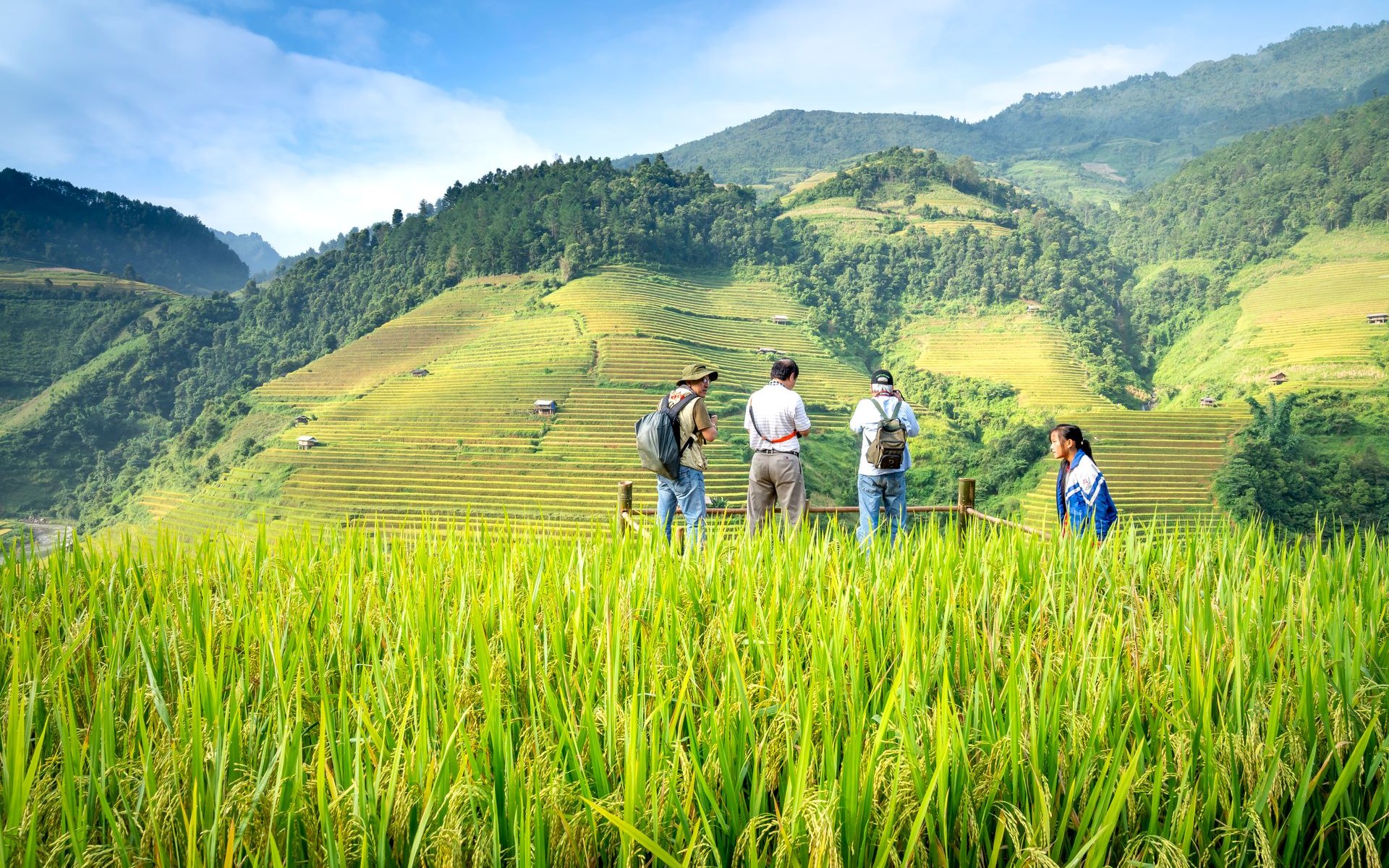
Cover photo: kaboompics via Pexels.
It is a December evening in Ta Van. You have walked all day in cold drizzle, your clothes are damp, and all you want is a hot shower. You turn the tap and the water comes out cold, then lukewarm, then cold again. The heater on the wall is humming, the little red light is on, and the water still never gets hot. This is the normal winter shower in a Sapa valley homestay, and it is not a broken heater. It is a small heater fighting cold mountain water.
The short answer
Most village homestays heat water with a small electric heater fixed to the bathroom wall, the kind that warms the water as it passes through. In summer it works fine. In winter the water coming in from the tank or the spring is close to freezing, and the heater can only lift it a few degrees. The result is a lukewarm trickle, not a hot shower. A few homestays have a storage tank heater, which works better but runs out after one or two showers. Some older houses have no hot water at all, only a kettle and a basin.
Why winter makes it worse
The problem is the starting temperature. In July the incoming water is already warm, so the heater easily brings it to a comfortable heat. In December and January the same water arrives near freezing, and the heater cannot add enough heat at a normal flow. A thin stream helps, because slower water spends longer inside the heater and comes out warmer.
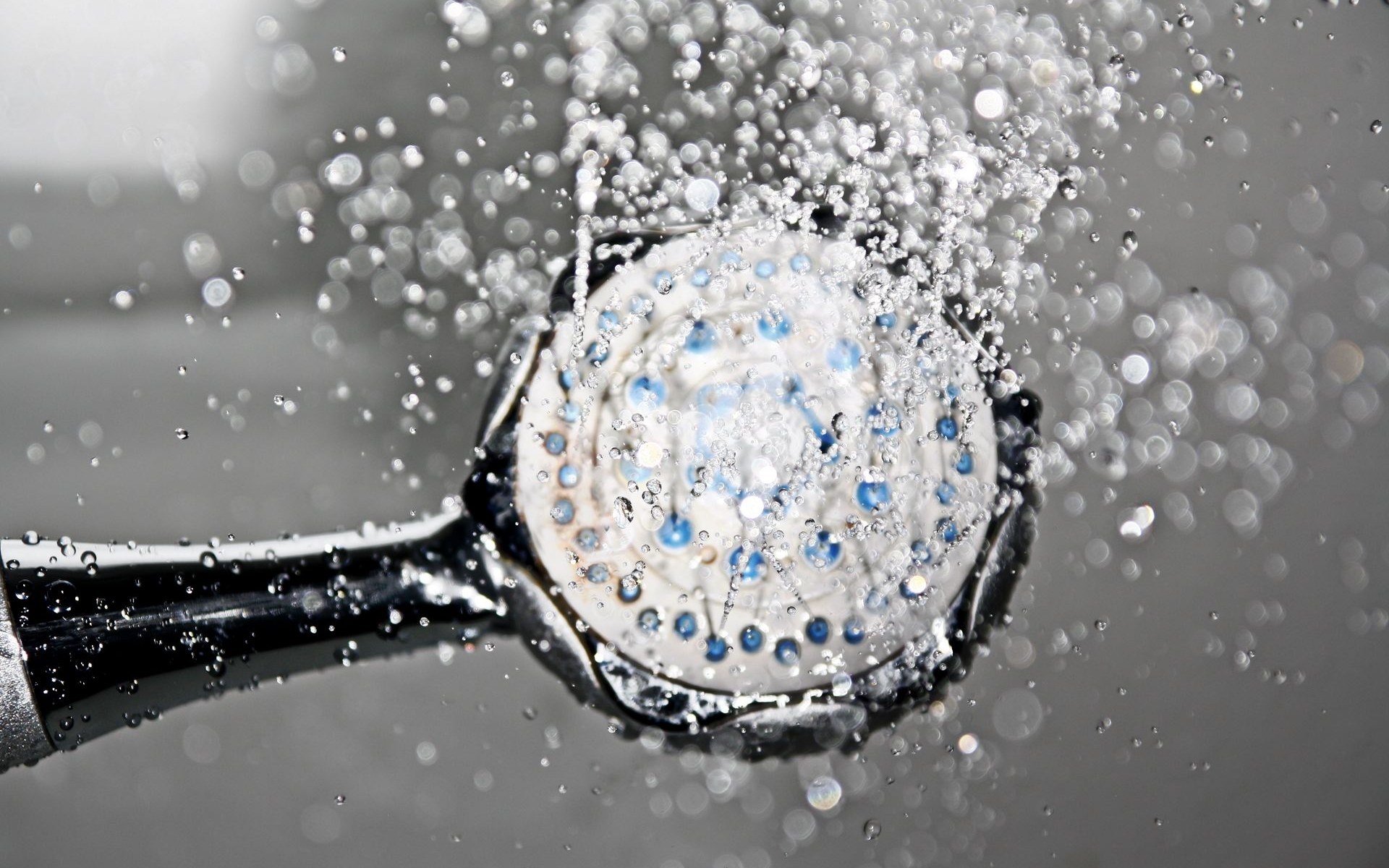
Source: Pixabay via Pexels. A shower head spraying water, no location claimed.
Opening the tap fully does the opposite: more water, less heat, colder shower. Mornings are the worst time, because the pipes and the tank have sat in the cold all night. Afternoons are the best time, after the day has warmed the tank a little.
How to get a warm shower anyway
Shower in the afternoon, not the morning, and not late at night. Ask your host to switch the heater on an hour before you shower. Run the water for a minute before stepping in, and keep the flow low, a thin steady stream rather than full blast.

Source: kaboompics via Pexels. A towel hanging on a hook in a bathroom, no location claimed.
Keep it short, three or four minutes, and lay out your towel and warm clothes first, so you are not standing wet in a cold bathroom afterwards. If the water stays cold, say so. Your host would rather know than have you suffer in silence, and they may heat a kettle of water for a basin wash, which is how many village families wash in the coldest weeks.
What to check before you book
Ask one direct question before you book a winter stay: does the room have hot water in winter, and is it an electric heater or a storage tank? A host who answers plainly is telling you the truth. At Cloud Valley, each room has its own electric water heater in a private bathroom, so the shower is yours alone and the heater is not shared with other guests. Even so, on the coldest mornings the water runs cooler than in summer, and the afternoon shower rule still applies.
The next step
Plan your winter trek day around the afternoon shower: walk in the morning, arrive at the homestay in the afternoon, and wash while the day is still warm. For a walk that ends with a night in a village homestay, see the 2-day Ta Van homestay trek, and read the Sapa trekking guide for the full picture of the routes, the seasons, and what to pack.
Walk it with us
Every route in these guides ends at Cloud Valley. Sleep where the trail ends, not back in town.
Sapa Trekking Guide · 1 Day Valley Trek · 2 Day Homestay Trek
More guides
Haggling in Sapa Market: How to Do It Without Offending
A vendor in Sapa market names a price for a woven bag, and you have no idea whether it is fair. Haggling is expected here, but there is a kind way to do it and a way that leaves everyone unhappy. Here is the kind way.
Gifts for Village Kids: What Helps and What Harms
A child runs up to you on a Sapa trail, smiling, hand out. Your hand goes to your pack. Before you give anything, here is what actually helps village kids, and what quietly harms them.
Language on the Trail: The Few Phrases That Open Doors
Your guide stops to chat with a farmer, everyone laughs, and you stand there smiling and understanding nothing. Ten Vietnamese phrases change the whole walk.