Vegetarian on a Sapa Trek: What to Tell Your Host in Advance
You sit down to dinner in a Ta Van homestay after a day of walking, and the table is full, but nearly every dish has meat in it. Nobody did anything wrong. Nobody knew you were vegetarian. Here is what to tell your host, and when, so the kitchen cooks for you.
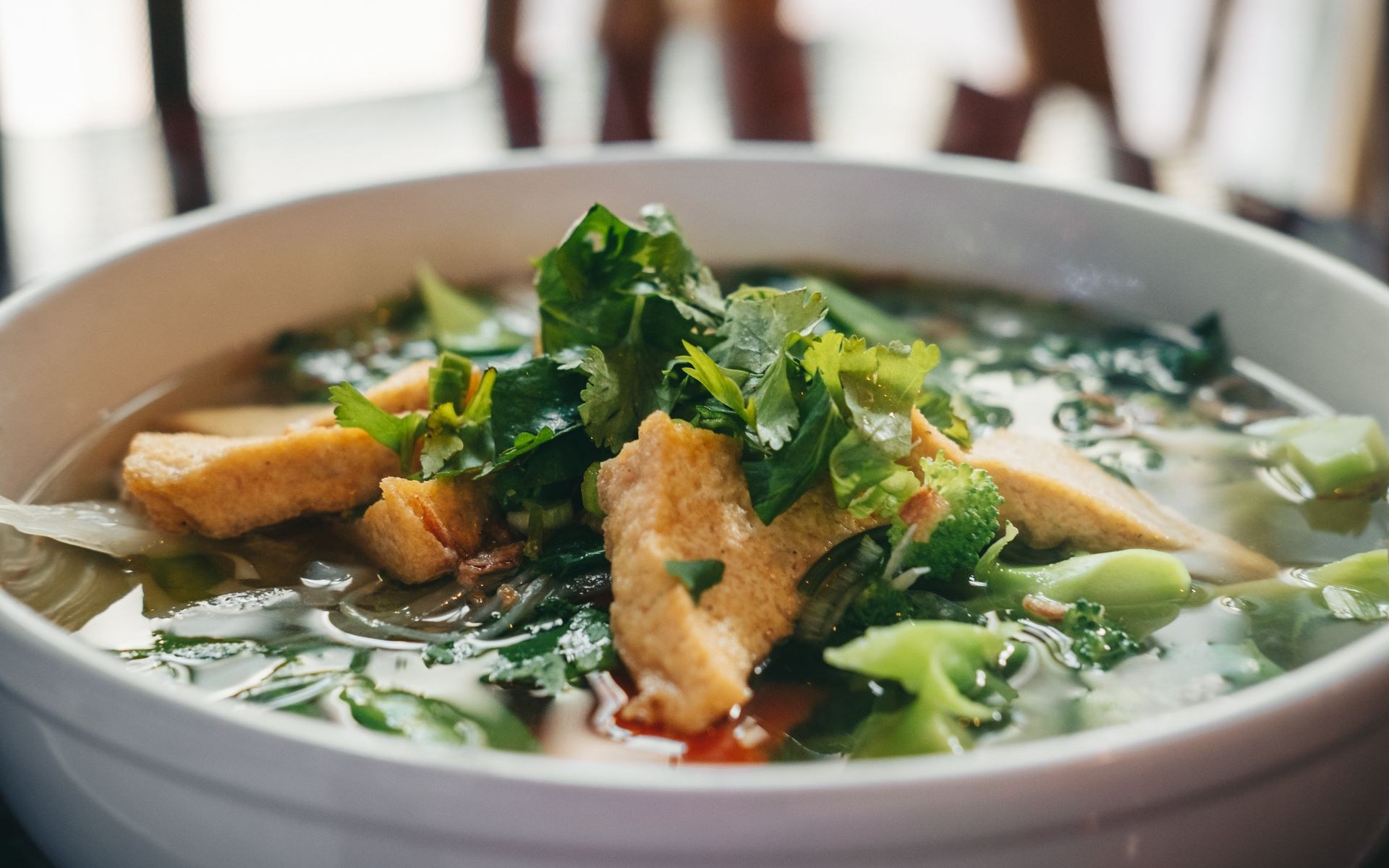
Source: Connor Scott McManus via Pexels. A bowl of Vietnamese pho with tofu, herbs and greens; no location claimed.
You sit down to dinner in a Ta Van homestay, hungry after a day of walking, and the table is full. Rice, soup, greens, and three dishes you cannot eat, because every one of them has meat in it. Nobody did anything wrong. Nobody knew you were vegetarian. That is the whole problem, and it is easy to prevent.
What the kitchen can cook for you
A homestay kitchen cooks with what the village grows and what the market sells that day: tofu, eggs, mushrooms, pumpkin, cabbage, morning glory, peanuts, rice, and noodles. A vegetarian dinner is easy for them, and it is usually good. They cannot cook a second meal from nothing when you sit down. The food is already made, the meat is already in it, and there is nothing else in the kitchen.
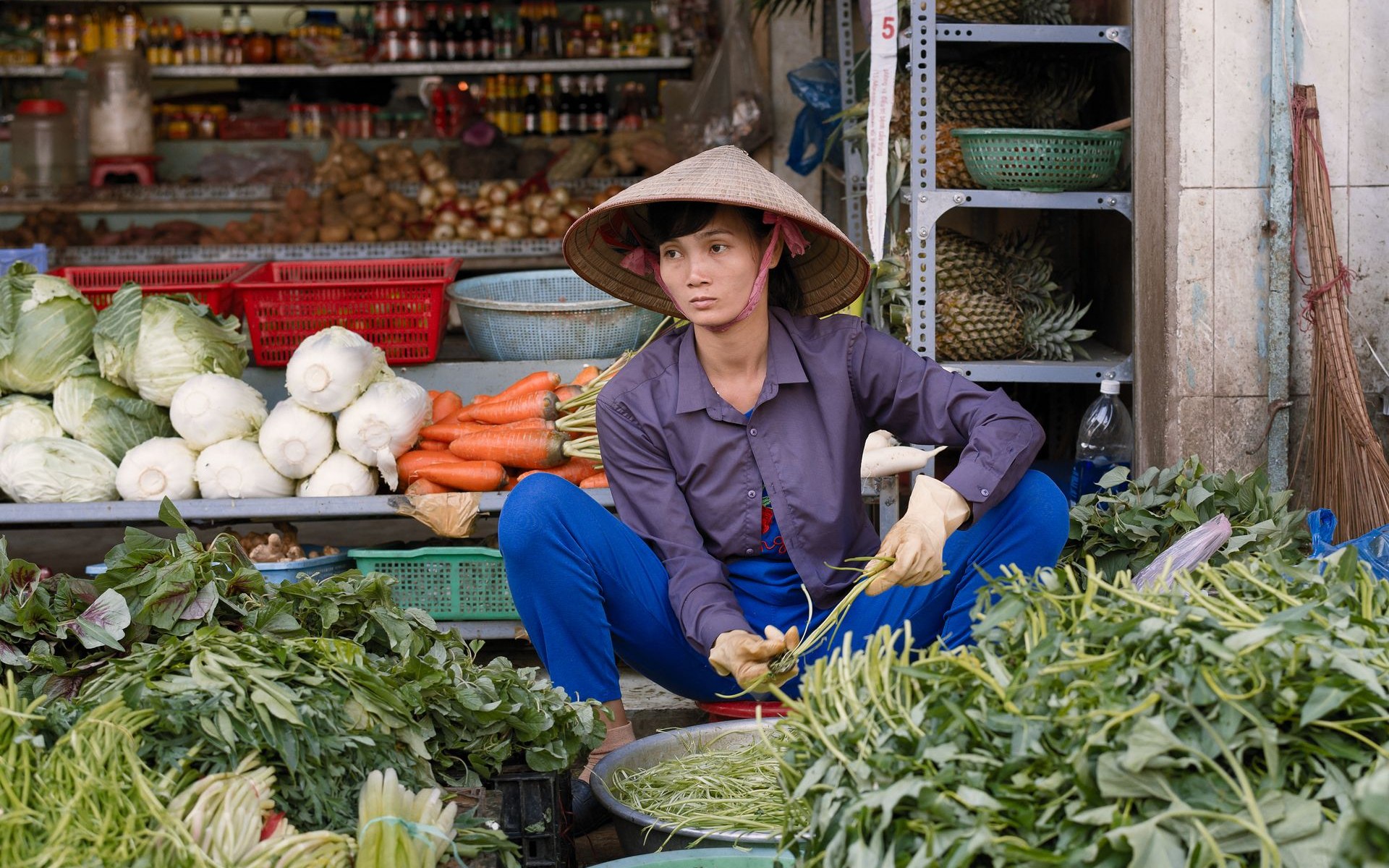
Source: Yulia Rozanova via Pexels. A vendor arranging fresh vegetables at a market in Ho Chi Minh City, Vietnam, captioned as Ho Chi Minh City, never as Ta Van.
The fish sauce trap
Here is the detail most vegetarians miss. Vietnamese cooking seasons almost everything with fish sauce, called nuoc mam, including vegetable dishes. A stir-fried green that looks meat-free probably has fish sauce in it. So does the soup, which is often made with pork bones. If you do not eat fish, say so plainly: no meat, no fish, no fish sauce. Vague words cause vague cooking. Saying you eat mostly vegetarian will get you a plate with a little meat on the side.
Be clear about eggs too. In Vietnamese, an chay means eating vegetarian, usually no meat and no fish, but eggs are often fine. If you eat eggs, say so, because eggs give the kitchen an easy dish to make for you. If you are vegan, say no eggs as well, and be ready to eat more simply, because a village kitchen has no soy milk and no vegan cheese.
How to tell them, and when
Tell your guide when you book the trek, or at the latest on the morning you start walking, before the family shops and cooks. Your guide speaks Vietnamese and can pass the message on. Write it on your phone in Vietnamese so you can show it at the homestay too: "Toi an chay, khong thit, khong ca, khong nuoc mam." That means: I eat vegetarian, no meat, no fish, no fish sauce. Show it at dinner. The family will understand, and they will usually be pleased you told them in their own language.
If a dish still slips through
Even with warning, a dish you cannot eat may still land on the table. Do not make a scene. Take rice and the dishes you can eat, thank your host, and eat well. Tell your guide quietly afterwards, not at the table, and the kitchen will usually find you something extra. The family is feeding a guest, not testing you, and a calm guest gets a better second plate than an upset one.
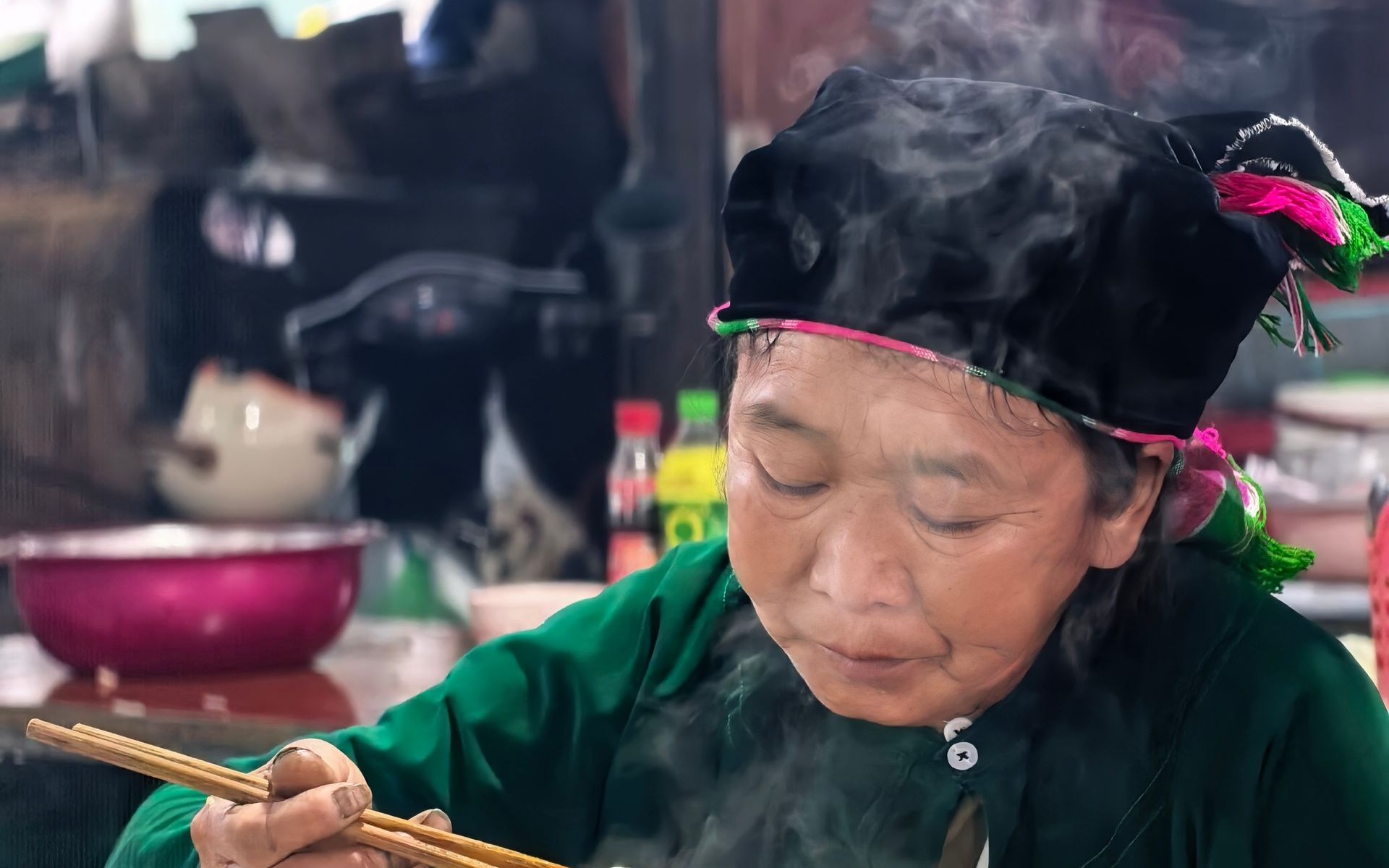
Source: Vietnam Hidden Light via Pexels. An elderly woman eating a steaming bowl of Vietnamese noodles outdoors in Vietnam, captioned as Vietnam, never as Ta Van.
Bring a backup
Pack a few snacks for the one night the kitchen gets it wrong: nuts, dried fruit, or energy bars in your daypack. They weigh almost nothing, and they turn a thin dinner into a fine one. Do not plan to buy them in the village, because there is no shop selling energy bars on the trail.
The honest verdict
Eating vegetarian in a Ta Van homestay works well, and the food is often one of the best parts of the night. The only thing that breaks it is silence. Tell your guide before the trek, be specific about fish sauce and eggs, and the kitchen will cook for you gladly.
Next step
Eat dinner with a family in Ta Van on the two day trek, and tell your guide about your diet before you walk: Two days walking, one night in Ta Van. Or compare the routes first: Sapa Trekking Guide: Routes, Seasons and a Homestay Finish.
Walk it with us
Every route in these guides ends at Cloud Valley. Sleep where the trail ends, not back in town.
Sapa Trekking Guide · 1 Day Valley Trek · 2 Day Homestay Trek
More guides
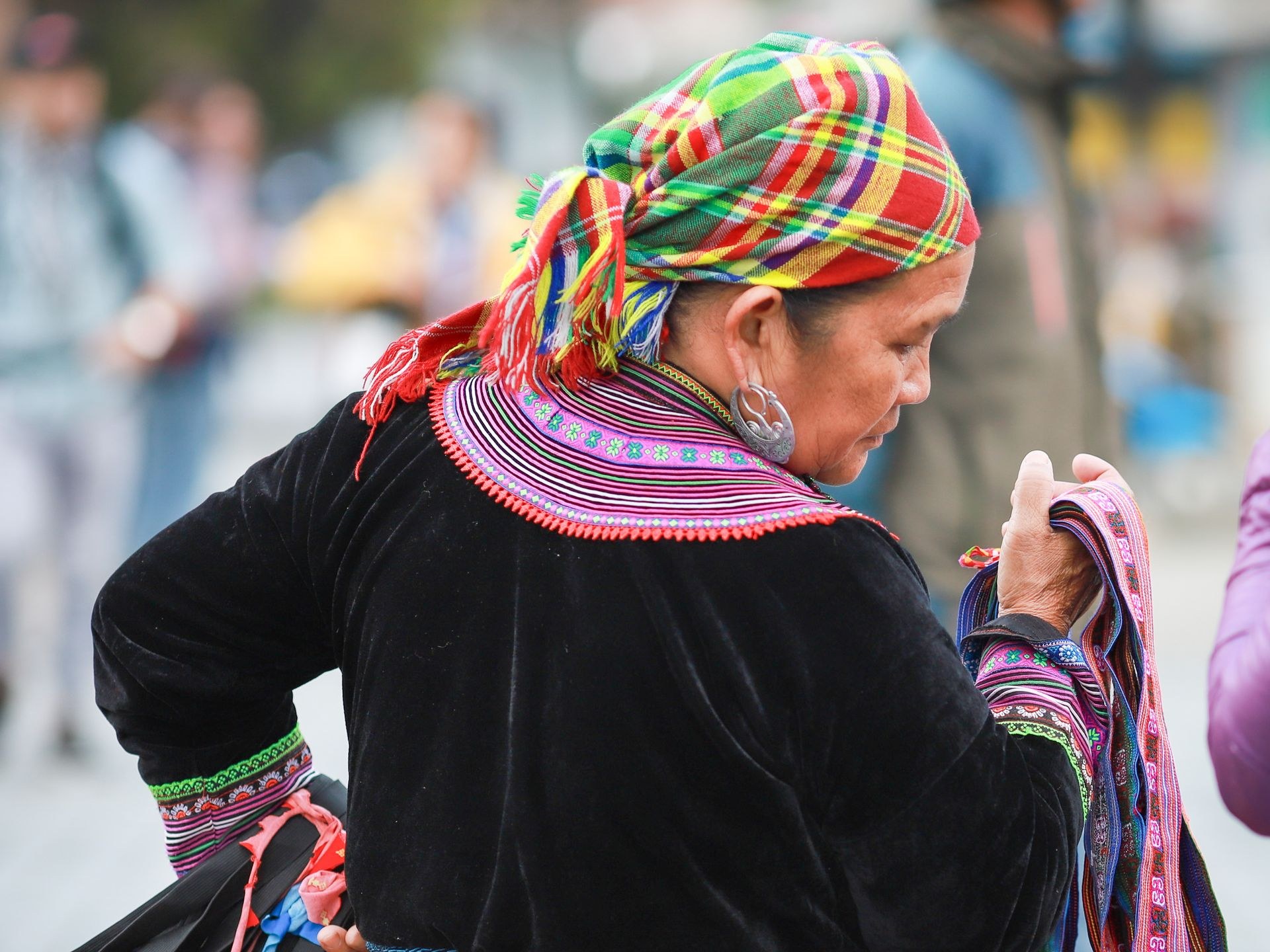
Haggling in Sapa Market: How to Do It Without Offending
A vendor in Sapa market names a price for a woven bag, and you have no idea whether it is fair. Haggling is expected here, but there is a kind way to do it and a way that leaves everyone unhappy. Here is the kind way.

Gifts for Village Kids: What Helps and What Harms
A child runs up to you on a Sapa trail, smiling, hand out. Your hand goes to your pack. Before you give anything, here is what actually helps village kids, and what quietly harms them.
Language on the Trail: The Few Phrases That Open Doors
Your guide stops to chat with a farmer, everyone laughs, and you stand there smiling and understanding nothing. Ten Vietnamese phrases change the whole walk.